
Where Can I Get Premium Mobile Window Tinting in Inglewood, CA
Why Inglewood Specifically Needs Window Tinting
Inglewood isn't just hot in July. The city sits in one of the sunniest corridors in the entire country more than 284 sunny days per year with UV index levels that regularly hit "very high" or "extreme" even in winter. Add in urban heat island effects and proximity to reflective surfaces near LAX, and you have a city where window film isn't a luxury. It's practical, year round protection.
Here's what untreated windows are actually doing to Inglewood residents and property owners:
For vehicle owners: Cars parked in Inglewood on a summer afternoon can reach 140–180°F inside. That heat cracks dashboards, dries out leather, warps plastic trim, and makes the first few minutes of every drive miserable. UV rays penetrating your side windows also cause measurable skin damage the left arm and left side of the face receive significantly more UV exposure in drivers who spend time on SoCal roads.
For homeowners: Older Inglewood homes especially those built before 2000 often have single-pane or aging dual-pane windows that provide minimal solar protection. South- and west-facing rooms turn into ovens by midafternoon. Air conditioning runs constantly from May through October, and energy bills reflect it.
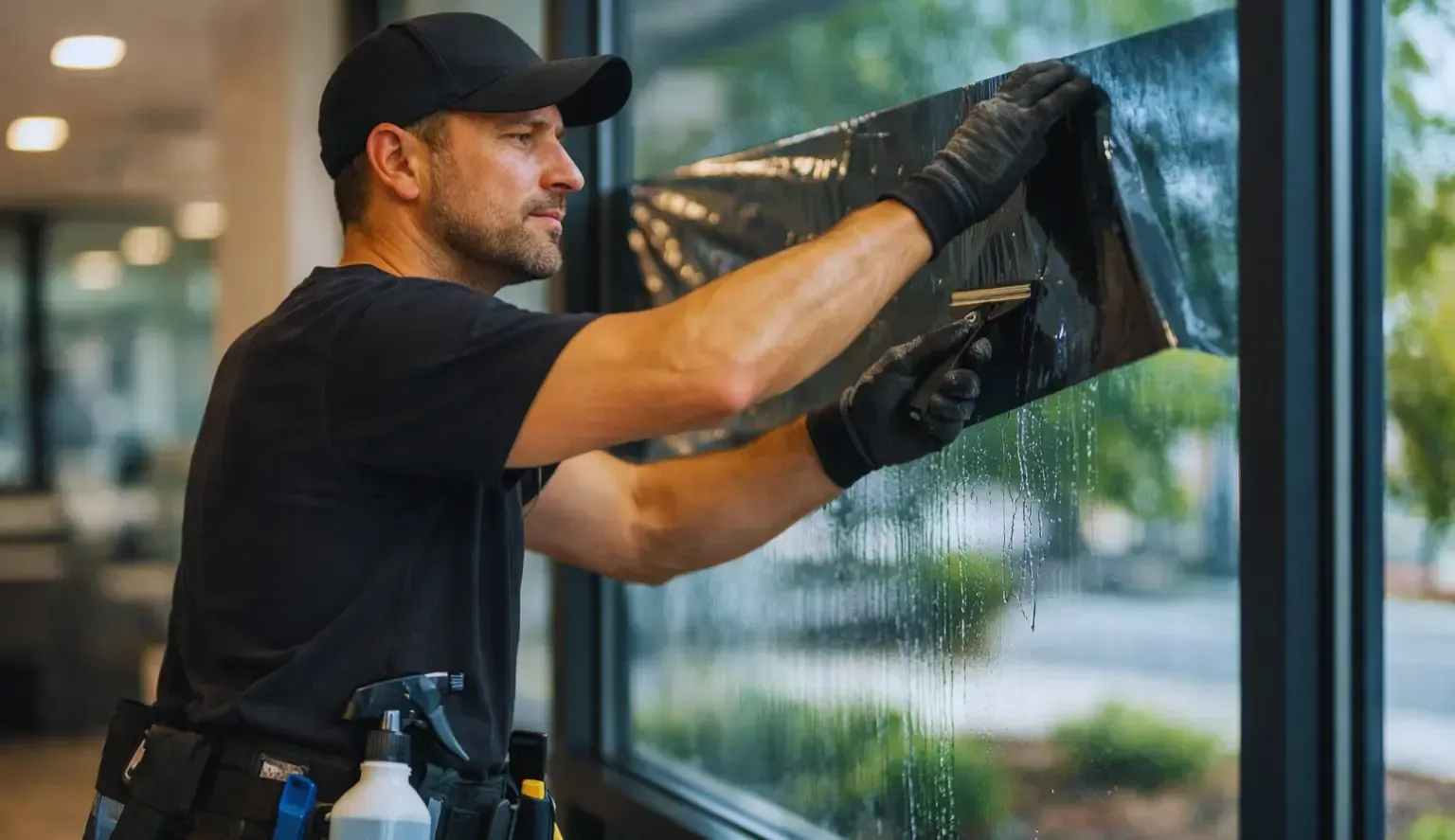
For businesses: Storefronts and office suites near Century Boulevard, La Brea Ave, or around SoFi Stadium deal with blinding glare on computer screens, uncomfortable customer-facing areas, skyrocketing cooling costs, and merchandise that fades within months of direct sun exposure.
For UV-sensitive residents: The Skin Cancer Foundation recognizes window film as an effective barrier against UV radiation. For families with young children, elderly residents, or anyone who spends significant time near sun-facing windows, window film is a genuine health consideration not just a comfort upgrade.
Who Is Premium Mobile Window Tinting For in Inglewood?
Vehicle Owners
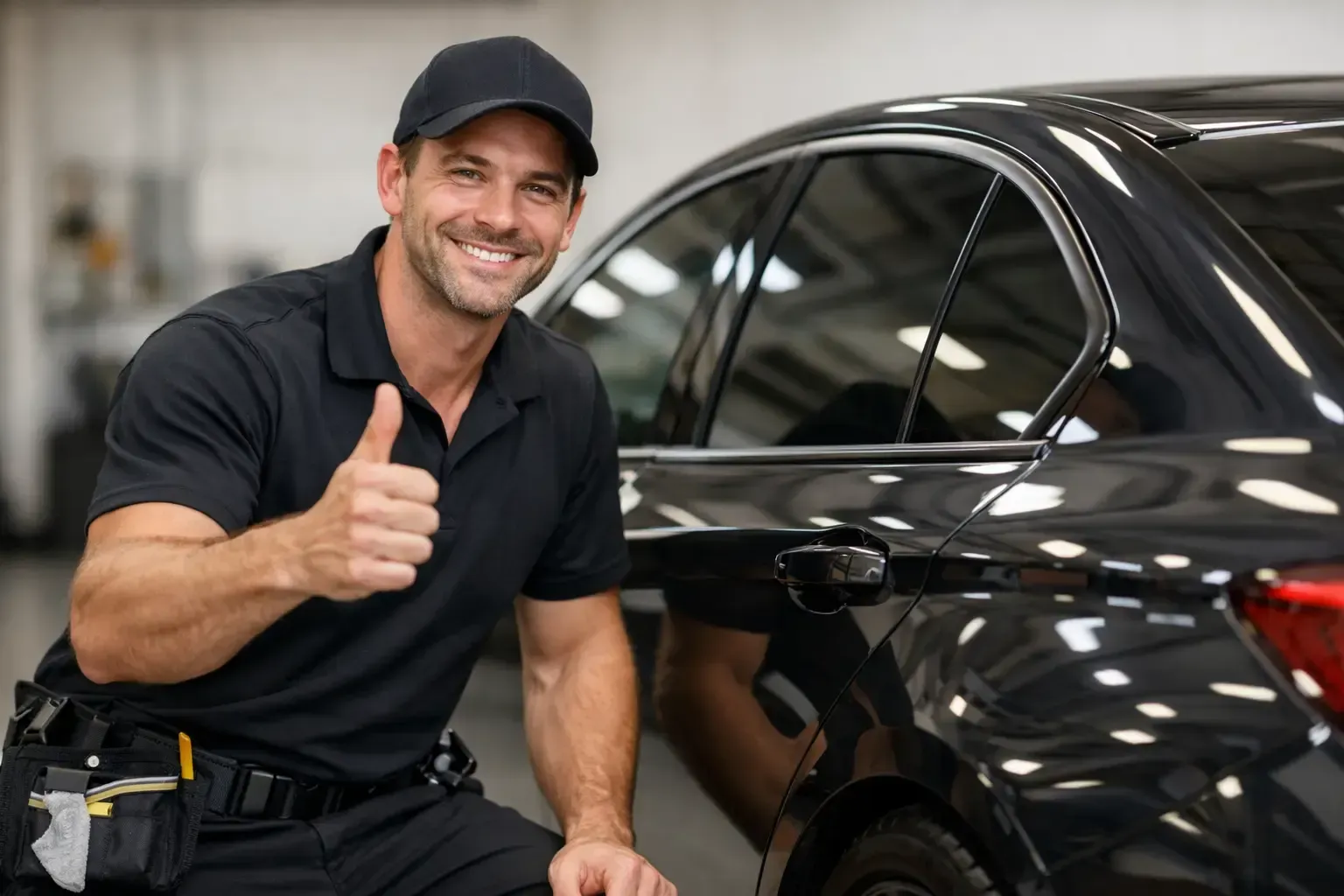
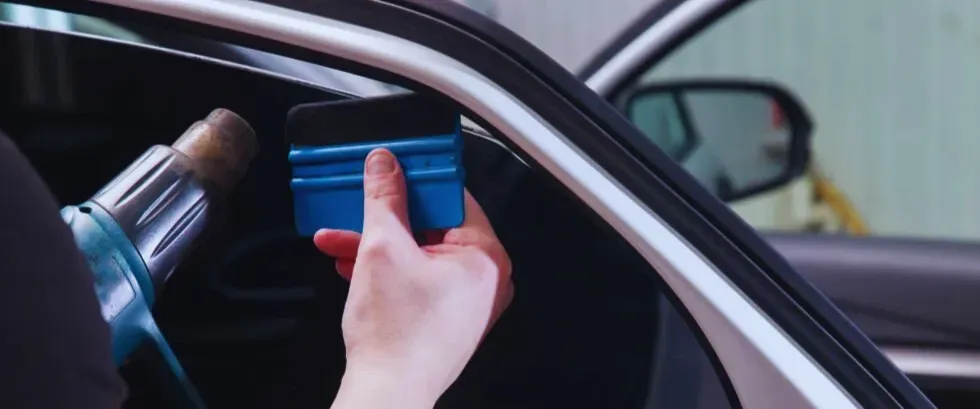
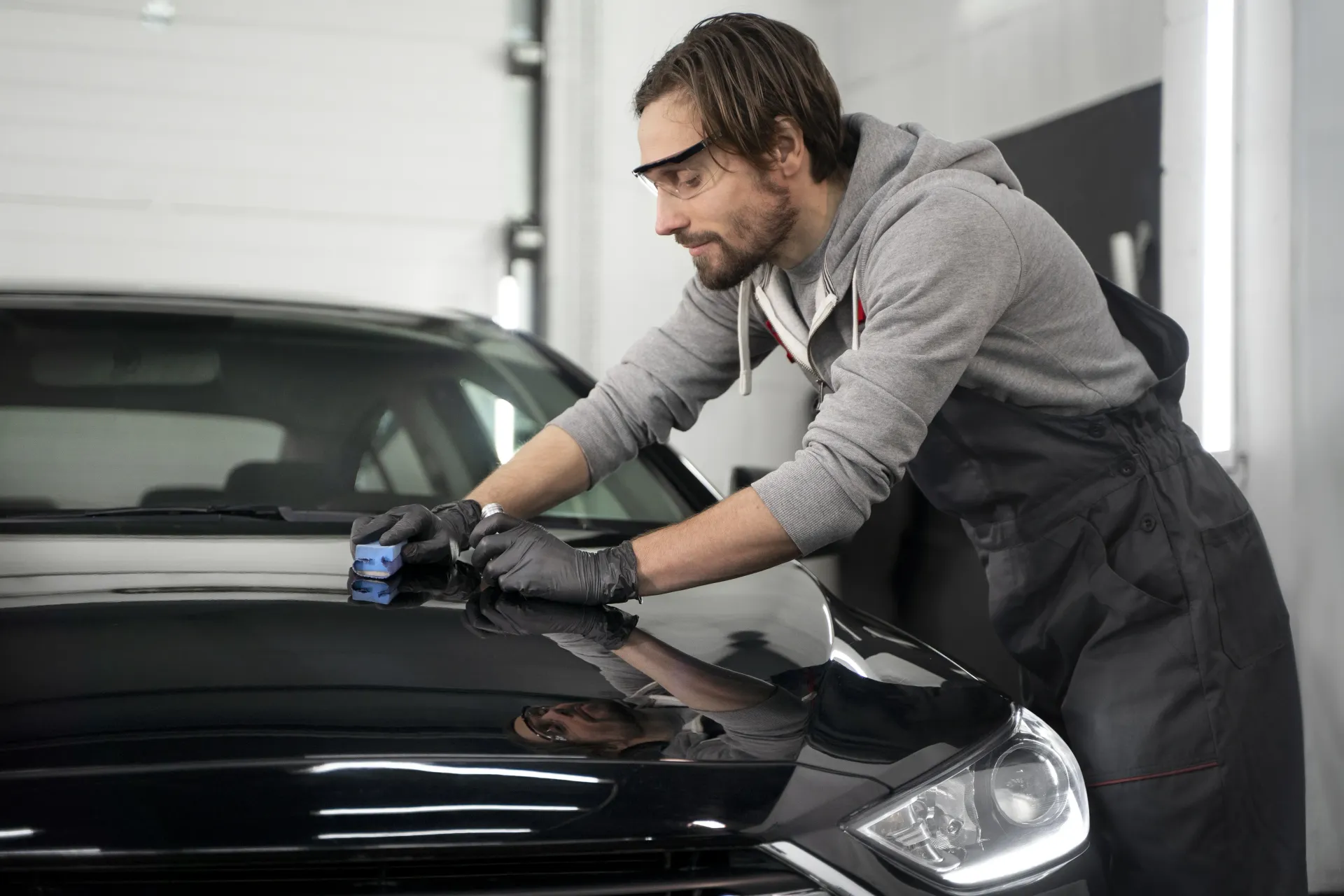
Whether you drive a daily commuter, a luxury SUV, or a work truck in and out of Inglewood, your car's interior is being destroyed by SoCal sun. Automotive window tinting protects your investment, dramatically cools your cabin, blocks cancer-causing UV, and adds privacy and security. Mobile installation means zero shop time we come to your home, office, or parking garage.
The best candidates: people who meet clients in their vehicle, anyone driving a luxury or high value car, parents protecting their kids from UV during commutes, and anyone who's ever burned their hand on a steering wheel.
Homeowners
Residential window film is one of the most cost-effective home upgrades available in Inglewood. No window replacements. No major renovation. Professional film applied to your existing glass that immediately cuts heat, reduces glare, blocks UV that fades flooring and furniture, and lowers your electric bill. Most homes in Southern California see an ROI within 2–3 years through energy savings alone.
Commercial Property Owners and Businesses
From retail storefronts to office suites to apartment complexes, Inglewood businesses deal with real sun-related problems that cost real money: glare that makes employees miserable, uncomfortable customer areas that reduce dwell time, sky-high cooling bills, and merchandise or furnishings that degrade faster than they should.
Commercial window film is a one-time investment with compounding returns. Depending on the film type, it can also serve as safety film holding glass together if broken which is a meaningful security upgrade for ground-floor storefronts.
Residents Concerned With Heat and UV Exposure
You don't have to be a homeowner or a business to benefit. If you're an Inglewood renter spending summer afternoons sweating through your west-facing apartment windows, or a parent worried about your kids' daily UV exposure in a sun-drenched playroom, residential window film is available and effective regardless of whether you own the property. (Check with your landlord most have no objection to professionally applied, reversible window film.)
Types of Window Film: What "Premium" Actually Means
Not all window tint is the same. The difference between a $100 tint job and a $400 one isn't just price it's technology, longevity, and real-world performance. Here's how the major film categories compare:
Ceramic Film The gold standard. Nano-ceramic particles block up to 99% of UV and reduce solar heat by up to 60% without any metallic content. No signal interference with GPS, cell service, or key fobs. Lasts 15–20+ years. Ideal for premium vehicles, residential, and commercial applications. Higher upfront cost, lowest long-term cost.
Carbon Film An excellent step down from ceramic. Blocks up to 99% UV and reduces heat by up to 45%. Non-metallic, matte appearance, no signal interference. Lasts 10–15 years. A strong choice for most vehicles and residential use.
Metalized Film Uses metal particles to reflect heat and UV. Effective (up to 97% UV, up to 40% heat reduction) but can interfere with GPS, cell signals, and electronic key fobs. Some California drivers avoid it for this reason. Lasts 8–12 years.
Dyed Film Entry-level option. Absorbs some solar heat and blocks UV reasonably well when new, but fades and purples quickly under intense sun. In Inglewood's climate, expect 2–5 years before it needs replacement. Low upfront cost, high long-term cost.
The bottom line: In Inglewood's year-round intense sun, cheap dyed film is a false economy. It fades, bubbles, and needs replacing within a few years. Premium ceramic or carbon film installed once correctly outperforms and outlasts budget options by a wide margin.
California Window Tint Laws: What's Legal in Inglewood?
Before any vehicle gets tinted in California, it's worth knowing the rules. A professional installer will handle compliance, but understanding the law protects you.
Windshield: Non-reflective tint only, applied above the AS-1 line typically the top 4–5 inches of the windshield, marked by the manufacturer.
Front side windows (driver and passenger): Must allow more than 70% of light in. This is the most commonly misunderstood rule. The 70% VLT (visible light transmission) limit means your front windows must stay quite light there's limited room for visible darkness.
Rear side windows and rear window: Any tint darkness is permitted, as long as the vehicle has dual side mirrors (which most cars do).
Reflectivity: No window may be more than 35% reflective.
Important nuance: California's 70% VLT applies to the combined light transmission of the glass plus the film. Most factory glass is already slightly tinted at 75–80% VLT. A professional installer will measure your actual glass before applying film to ensure the final result is fully compliant.
For homes and commercial buildings: California has no state restrictions on residential or commercial window film. You can apply any darkness or film type to your building's windows. Check your HOA's guidelines if applicable, as some associations have exterior appearance requirements.
The Real Problems Mobile Window Tinting Solves
Problem: Your car is an oven and you can't afford to drive a Tesla with a heat pump.
Solution: Ceramic automotive film reduces cabin temperature by up to 60%, keeping your car significantly cooler when parked and dramatically reducing how hard your AC works while driving.
Problem: Your SoCal energy bill is out of control, especially May through October.
Solution: Residential solar control film blocks up to 85% of solar heat gain through windows the primary source of unwanted summer heat in most California homes. Many Inglewood homeowners see $200–$600 in annual energy savings.
Problem: Your car's leather is cracking and your dashboard is fading.
Solution: Premium film blocks up to 99% of UV radiation, which is the direct cause of fading, cracking, and deterioration in vehicle interiors. A properly tinted car interior can outlast an untinted one by many years.
Problem: Your storefront windows cause blinding glare for employees and customers.
Solution: Commercial window film reduces glare by up to 95% while maintaining natural light. Employees work more comfortably, customers stay longer, and your space looks more professional.
Problem: You have no time to drop your car at a shop and sit around waiting.
Solution: Mobile tinting comes to you. Your car stays at your home or office. You keep your day. Installation takes 1.5–3 hours depending on vehicle size, and you drive away done.
Problem: Your home's wood floors and furniture are visibly fading near windows.
Solution: UV-blocking residential film stops the primary cause of interior fading. Furniture, flooring, artwork, and textiles near windows last significantly longer with film installed.
How Much Does Mobile Window Tinting Cost in Inglewood, CA?
Pricing varies by service type, film quality, and project scope. Here are realistic ranges for the Inglewood and LA County market:
Automotive Window Tinting:
- Sedan, 5 windows, carbon film: $150–$250
- Sedan, 5 windows, ceramic film: $250–$400
- SUV or truck, carbon film: $200–$350
- SUV or truck, ceramic film: $350–$550
- Windshield tinting (visor strip): $50–$100 add-on
Residential Window Tinting:
- Standard solar control film: $6–$10 per square foot installed
- Premium ceramic residential film: $10–$15 per square foot installed
- Average home (10–15 windows): $800–$2,500 depending on window size and film type
Commercial Window Tinting:
- Standard solar control: $8–$12 per square foot
- Security/safety film: $12–$18 per square foot
- Decorative or privacy film: varies by project
Is cheaper film worth the savings? Not in Inglewood. Dyed film that costs $100 less will fade, purple, and need replacement within 3–4 years. Premium ceramic film installed correctly lasts 15+ years. Over a decade, the cheaper option costs you more plus the hassle of replacement.
Why Mobile Window Tinting Beats Going to a Shop
Traditional window tint shops require you to drop your car, arrange alternate transportation, wait hours, and come back. For homeowners and businesses, a tint shop doesn't even apply you need a separate contractor on a completely different schedule.
Mobile window tinting eliminates all of that:
You don't drive anywhere. Your car stays where it is your driveway, your office parking lot, your apartment complex garage. You go about your day. Installation takes 1.5,3 hours for most vehicles. You come back to a done car.
For residential and commercial customers, mobile means we work around your schedule and your building's access requirements. No need to coordinate around shop hours or wait weeks for a contractor's availability.
One-on-one attention is another underrated benefit. At a high-volume tint shop, your car is one of 10–15 vehicles moving through that day. A mobile installer is focused entirely on your job. The results reflect that.
How to Choose the Right Mobile Tint Installer in Inglewood
The Inglewood and LA area has no shortage of window tinting options. Quality varies wildly. Here's how to separate professionals from amateurs:
Ask about specific film brands. Premium installers use brand-name films: 3M, Llumar, Suntek, XPEL, Huper Optik, Formula One. If someone says "professional film" but can't name the brand, that's a red flag.
Check warranty coverage. Quality film comes with a manufacturer's warranty lifetime on some ceramic products. The installer should also offer at least a 1-year labor warranty. If no warranty is offered, walk away.
Look at their portfolio. Ask for before-and-after photos. Look for clean edges, full coverage to the window border, no visible bubbles or lifting in the before photos from past jobs.
Test their California law knowledge. Any automotive tinter should know VLT limits cold. If they seem uncertain about the 70% front window rule or the AS-1 line, find someone else.
Read Google reviews carefully. Look specifically for mentions of bubbling, peeling, or poor edge work common signs of low-quality installation. Also check how they respond to negative reviews.
Get an itemized quote. Know exactly what film brand you're getting, the VLT percentage, how many windows are included, and what the warranty covers before you agree to anything.
Ask about curing time and aftercare. Film takes 3 ,5 days to fully cure. During this time you'll see haze or small water bubbles that's normal. An installer who explains this proactively is one who knows their craft.
Frequently Asked Questions
What are the legal window tint limits in California
Front side windows must allow more than 70% of light in. Rear side windows and the rear window can be any darkness if the vehicle has dual side mirrors. Windshield tint is only permitted above the AS-1 line (the manufacturer's mark, typically the top 4–5 inches).
How much does mobile window tinting cost in Inglewood, CA?
Automotive tinting ranges from $150–$400 for sedans and $200–$550 for SUVs or trucks depending on film type. Residential window film runs $6–$15 per square foot installed. Commercial film starts at around $8 per square foot. Always get an itemized quote with the specific film brand, VLT percentage, and warranty included.
Does the mobile installer come to my home or office in Inglewood?
Yes that's the core benefit. We bring all equipment, tools, and film to your location. Whether you're in Morningside Park, near Century Boulevard, at a commercial building off La Brea, or anywhere else in Inglewood, we come to you. No shop visit required.
How long does window tint last in Southern California?
Premium ceramic and carbon films last 10–20+ years in SoCal's intense UV environment. Lower-quality dyed films typically fade, purple, or bubble within 2–5 years. In Inglewood's year-round sun, film quality matters more than in most markets. Look for manufacturer warranties on whatever film is recommended.