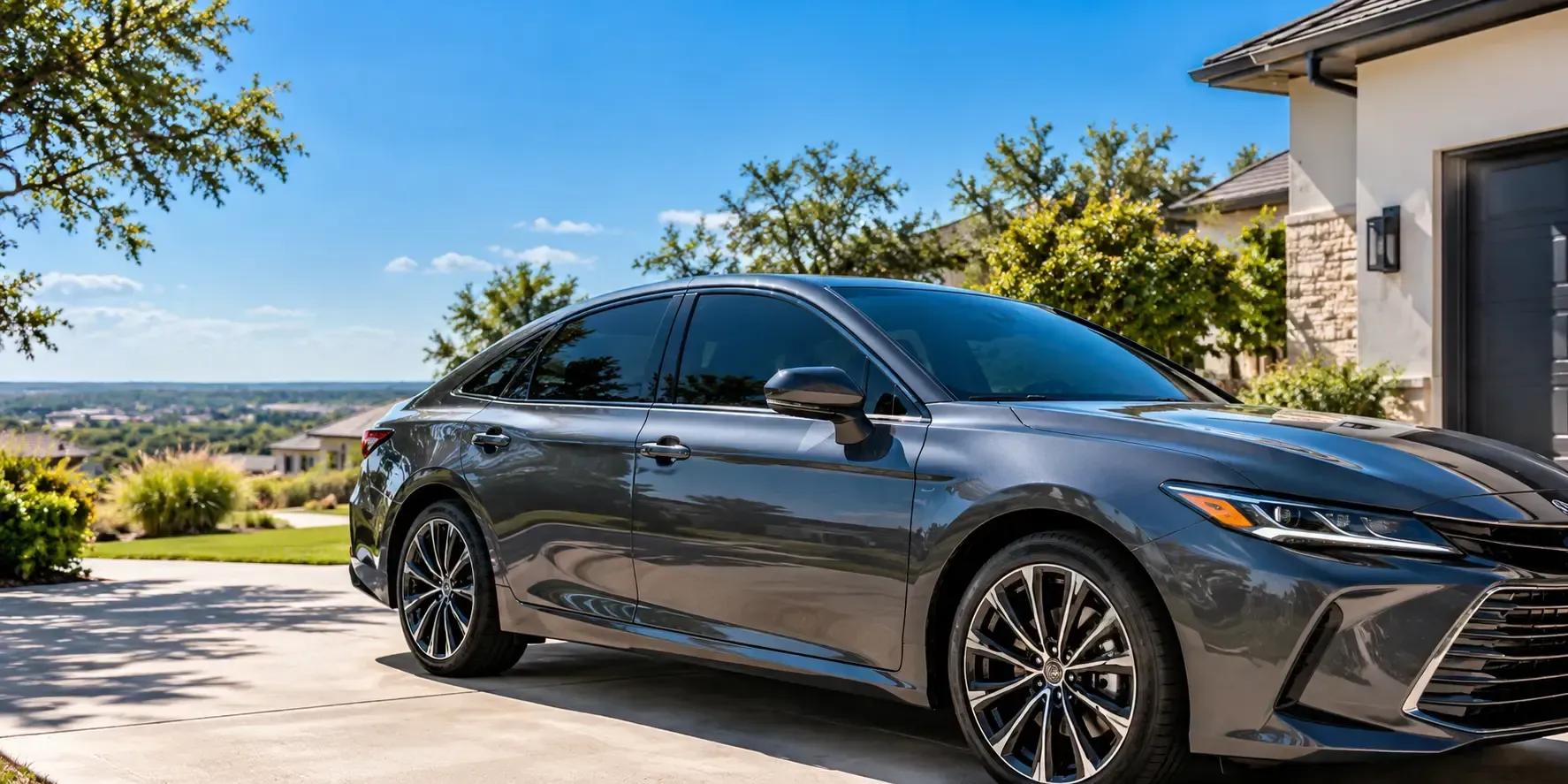
-1920w.webp)
-1920w.webp)
Winter Sun is Brutal: Why Cudahy Drivers Need Window Tinting Now More Than Summer
Forget the Heat Wave; The Winter Glare on the 710 is Worse.
Most people in Los Angeles County get this completely backward. They rush to get their car windows darkened in July when the asphalt on Atlantic Avenue is melting. But if you are a daily driver in Cudahy, the most dangerous season isn't summer. It’s right now.
Winter. That low-hanging sun. The blinding drive home.
Here in the 90201, we don't deal with blizzards. We deal with something arguably more annoying for a commuter: the "visor gap." You know exactly what I mean. It’s that slice of windshield your sun visor doesn't cover when the sun sits at a 30-degree angle during the evening rush. Window tinting isn't just an aesthetic upgrade for your ride; it is a piece of safety equipment. And frankly, if you’re driving around Cudahy without it this season, you’re making your life harder than it needs to be.
Let's strip away the marketing fluff. Here is why you need to call Tint Integrity before the solstice hits.
The Physics of Winter Glare
In June, the sun is high. The roof of your car blocks most of the direct light. In December and January, the sun tracks across the southern sky at a much lower angle. For anyone driving north or south—like the thousands of locals hitting the I-710 or navigating Santa Ana Street—that light is coming straight through the glass and into your retinas.
According to
AAA safety reports, sun glare is a contributing factor in thousands of accidents annually, often blinding drivers for seconds at a time. Seconds matter. At 60 mph, you cover the length of a football field in the time it takes to rub your eyes.
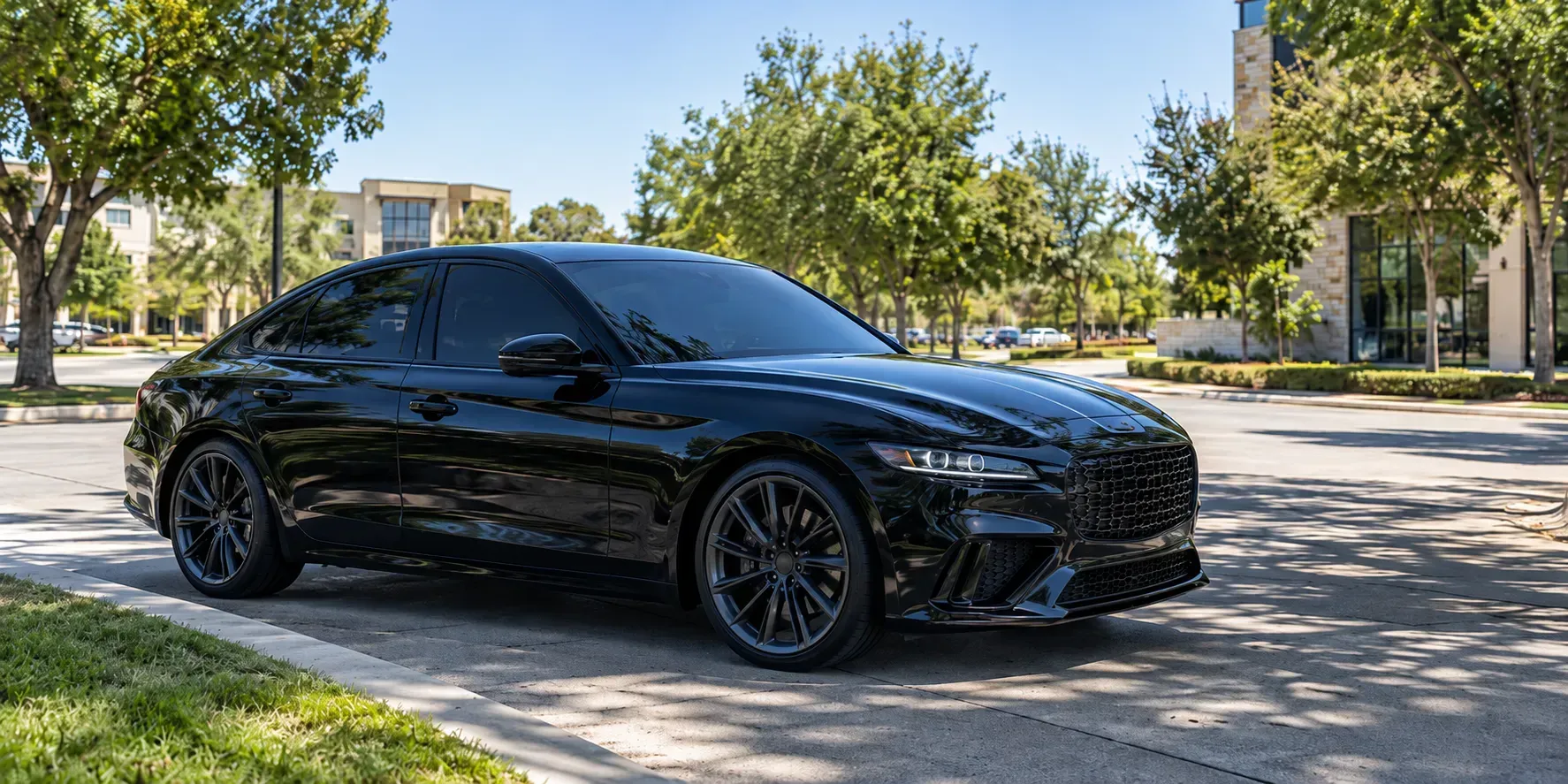
Standard factory glass doesn't cut it. It might have a slight dye, but it lacks the filtration technology to manage high-intensity light. High-quality aftermarket window tinting regulates visible light transmission (VLT), reducing that harsh wash-out effect on your windshield. It smooths out the contrast. You see the brake lights ahead of you, not just a wall of white light.
It’s Not Just About Keeping Cool (But That Helps)
Thermal efficiency is a two-way street. We usually talk about tint keeping heat out. However, the same ceramic technology that blocks infrared (IR) radiation in the summer helps stabilize the cabin temperature in the winter.
Glass is a terrible insulator. It’s a thermal bridge. On those crisp 50-degree mornings in Cudahy, your car bleeds heat through the windows. While window film isn't a replacement for a heater core, advanced ceramic films act as an insulating barrier. They reduce the workload on your climate control system.
The
Department of Energy has long cited window treatments as a primary method for improving energy efficiency in structures. The same logic applies to your vehicle. Less energy used to heat the cabin means better fuel economy (or range, if you're driving an EV).
The "Fishbowl" Effect and Holiday Security
Cudahy is a tight-knit community, but let's be real about parking security. During the holiday season, your back seat is often loaded with shopping bags, gifts, or equipment.
Clear windows are an advertisement.
If a thief can walk by your car parked near the Cudahy Plaza and see exactly what is in the back seat, you are a target. Darker tinting, particularly on the rear windows (limo tint or 5%), provides obscurity. It creates privacy. It turns your vehicle from a display case into a vault. Security film goes a step further, holding the glass together if someone tries to smash it, delaying entry long enough to deter a grab-and-go theft.
Your Skin Doesn't Take a Winter Break
UV rays do not care about the thermometer. UVA rays—the ones responsible for deep skin damage and aging—penetrate clouds and glass with ease. They are just as present in January as they are in August.
Drivers in the US have a higher incidence of skin cancer on their left side (the window side). This is a statistical fact backed by the
Skin Cancer Foundation. If you drive a daily commute, you are getting blasted by radiation every single day.
Tint Integrity installs films that block 99.9% of harmful UV radiation. It’s effectively SPF 1000 that you don't have to reapply. Whether you are driving a brand new Tesla or a trusty Honda Civic, that protection is non-negotiable for long-term health. Don't let the cool air fool you; the radiation is still cooking your dashboard and your skin.
Navigating California Law in 90201
Before you blackout the whole rig, you need to know the rules. California Vehicle Code is strict, and the local enforcement in LA County knows what to look for.
Here is the breakdown of
CVC 26708 for sedans and SUVs:
Windshield: Non-reflective tint is allowed on the top 4 inches only.
Front Side Windows: Must allow more than 70% of light in (effectively clear or very light ceramic).
Back Side Windows: Any darkness you want.
Rear Window: Any darkness you want (if you have dual side mirrors).
This is where amateur shops get you in trouble. They slap 20% on the front windows, take your cash, and leave you to deal with the fix-it ticket. At Tint Integrity, we balance style with legality. We can install a clear ceramic film on your front windows that blocks heat and UV rays without dimming the glass, keeping you legal while keeping you protected.
Why Tint Integrity is the Cudahy Standard
Look, you can buy a DIY tint kit online. You can also try to cut your own hair. The results are usually about the same—bubbling, peeling, and embarrassing purple hues within six months.
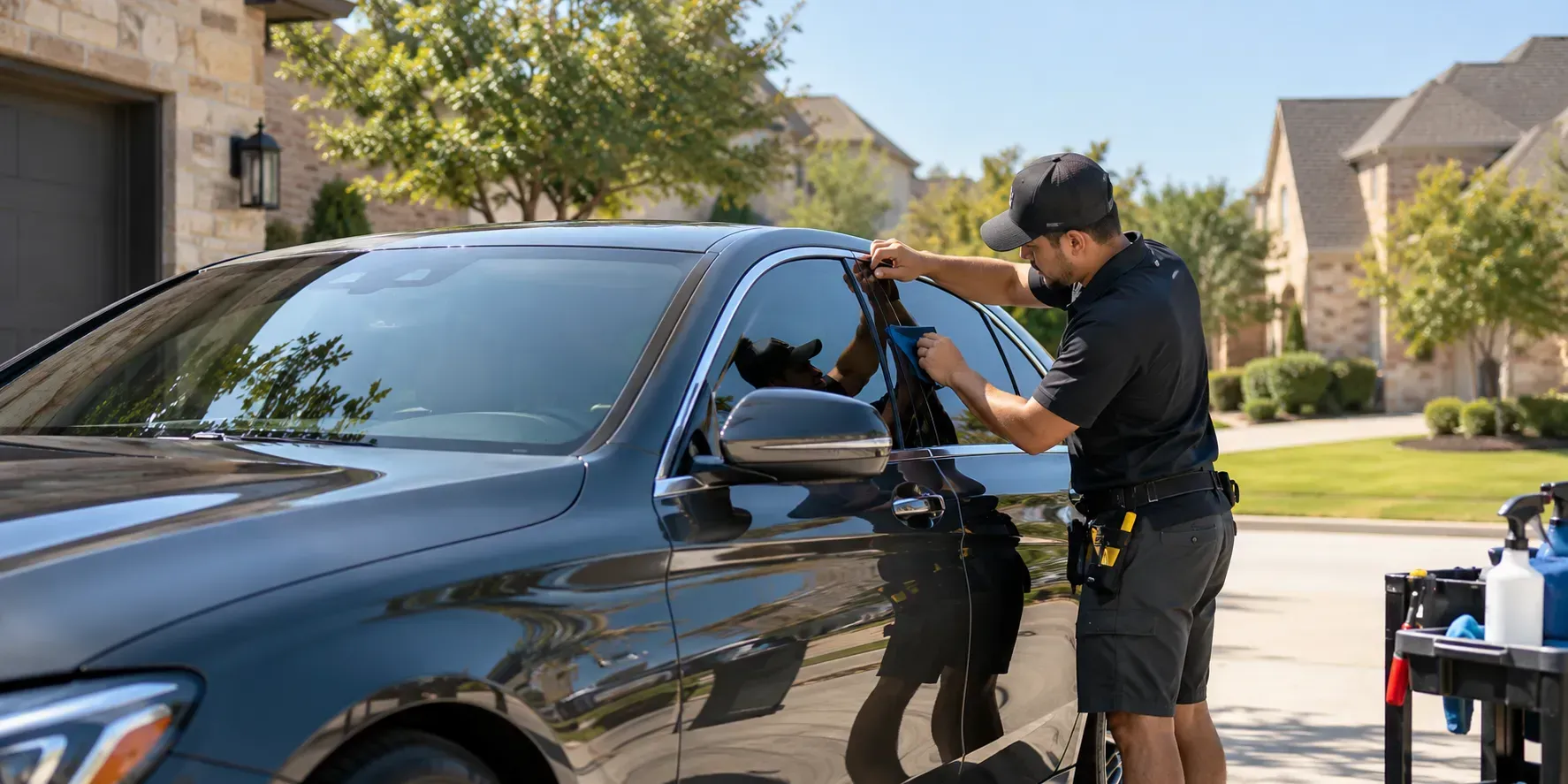
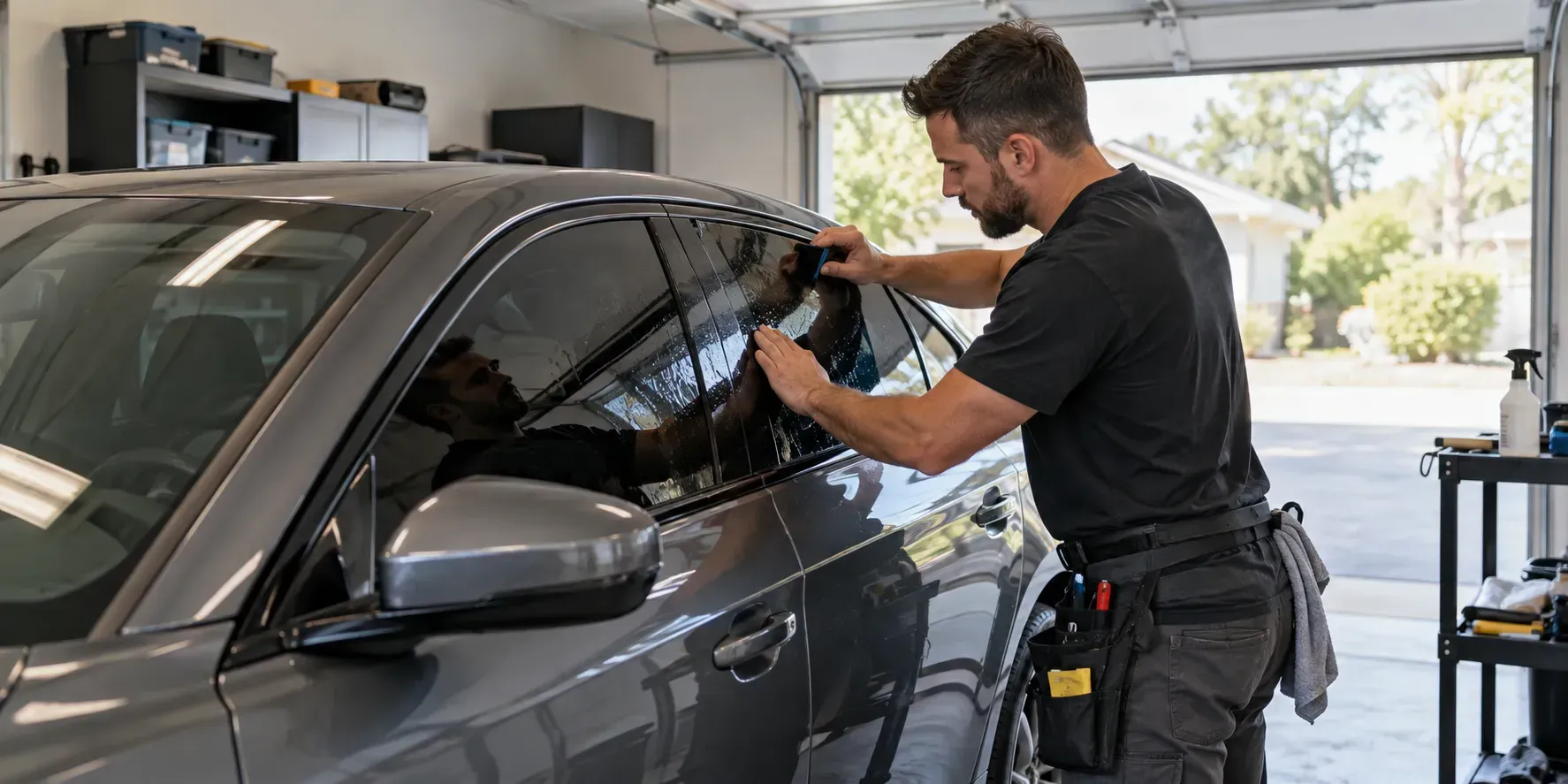
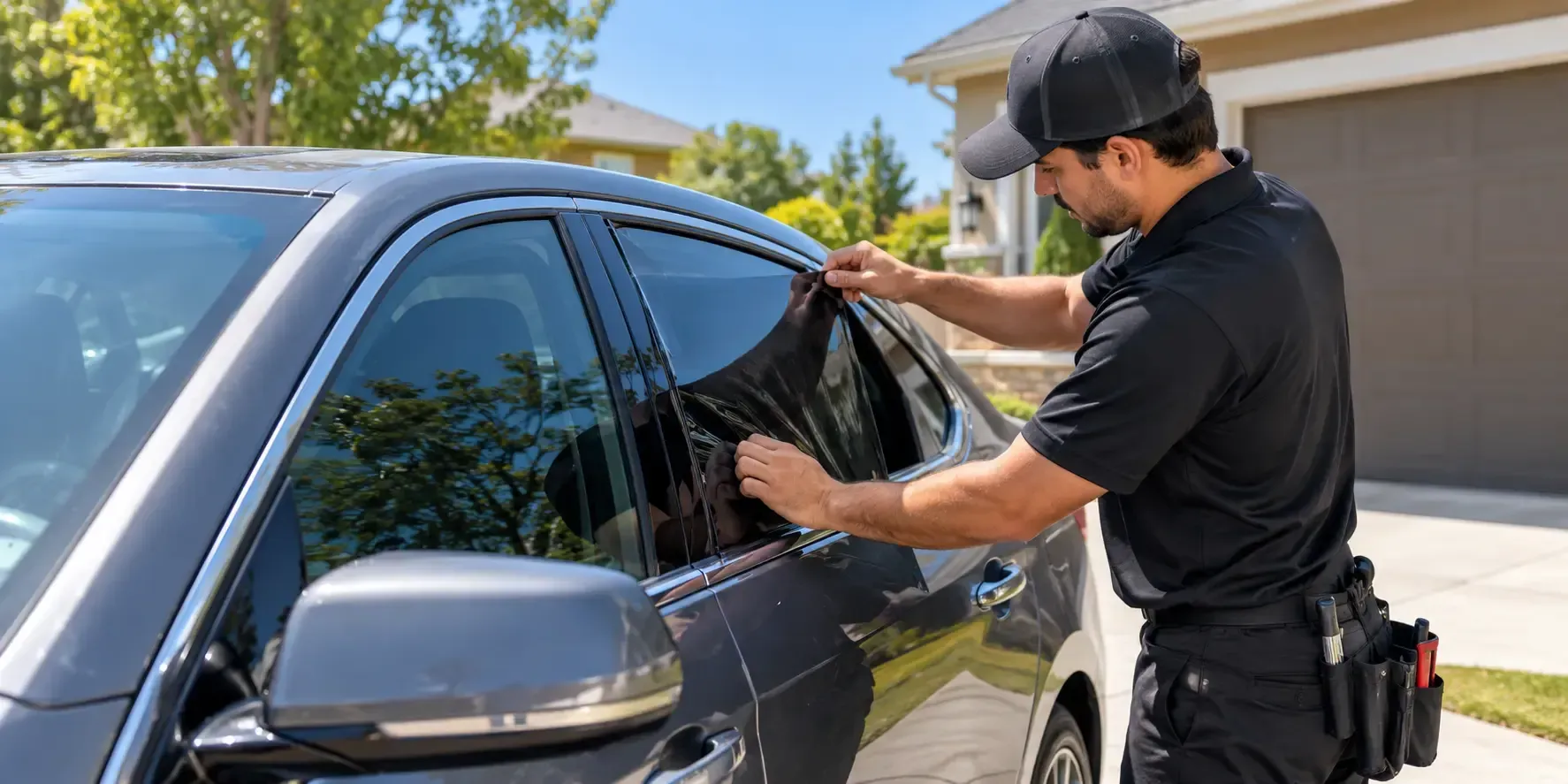
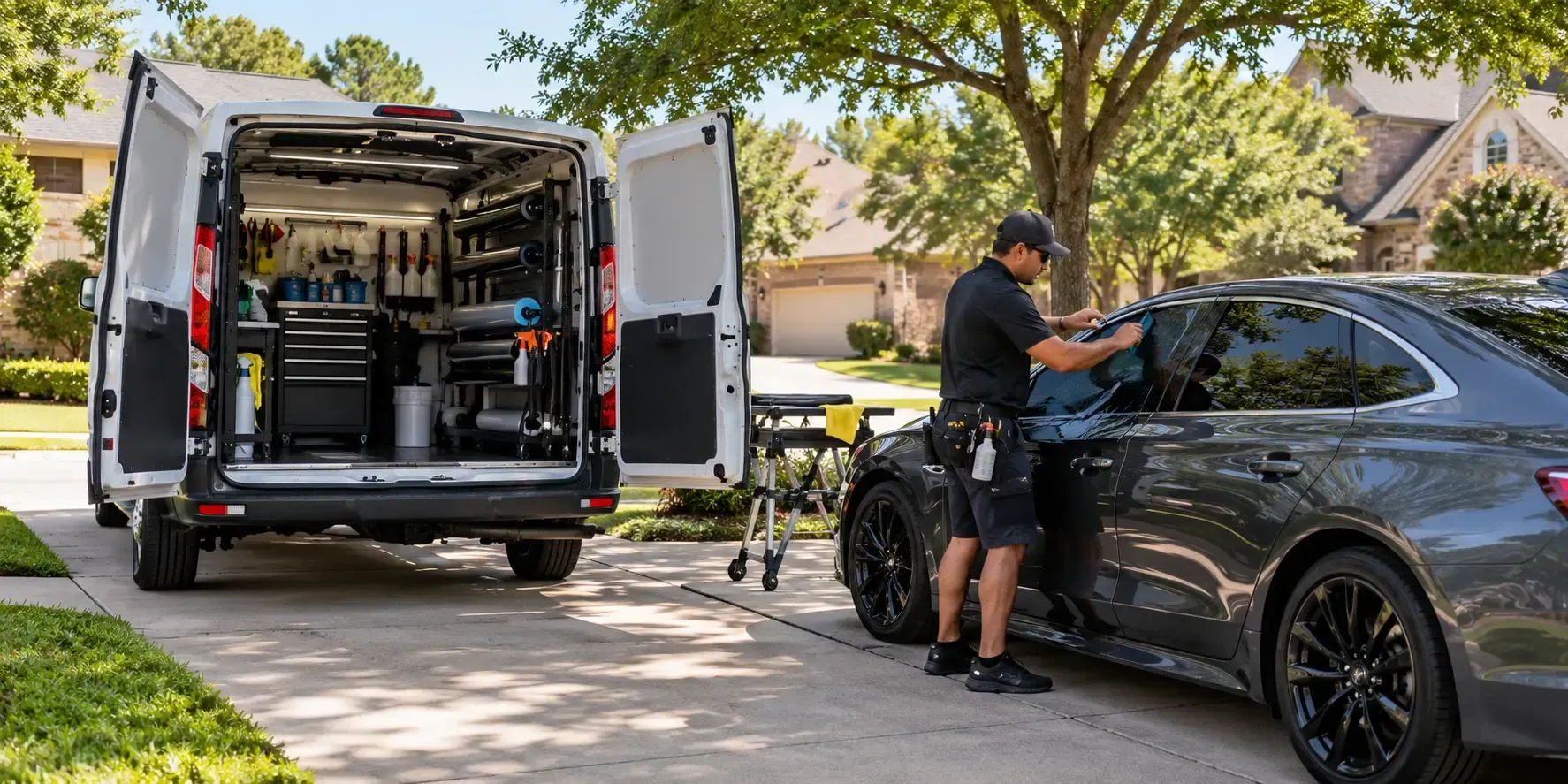
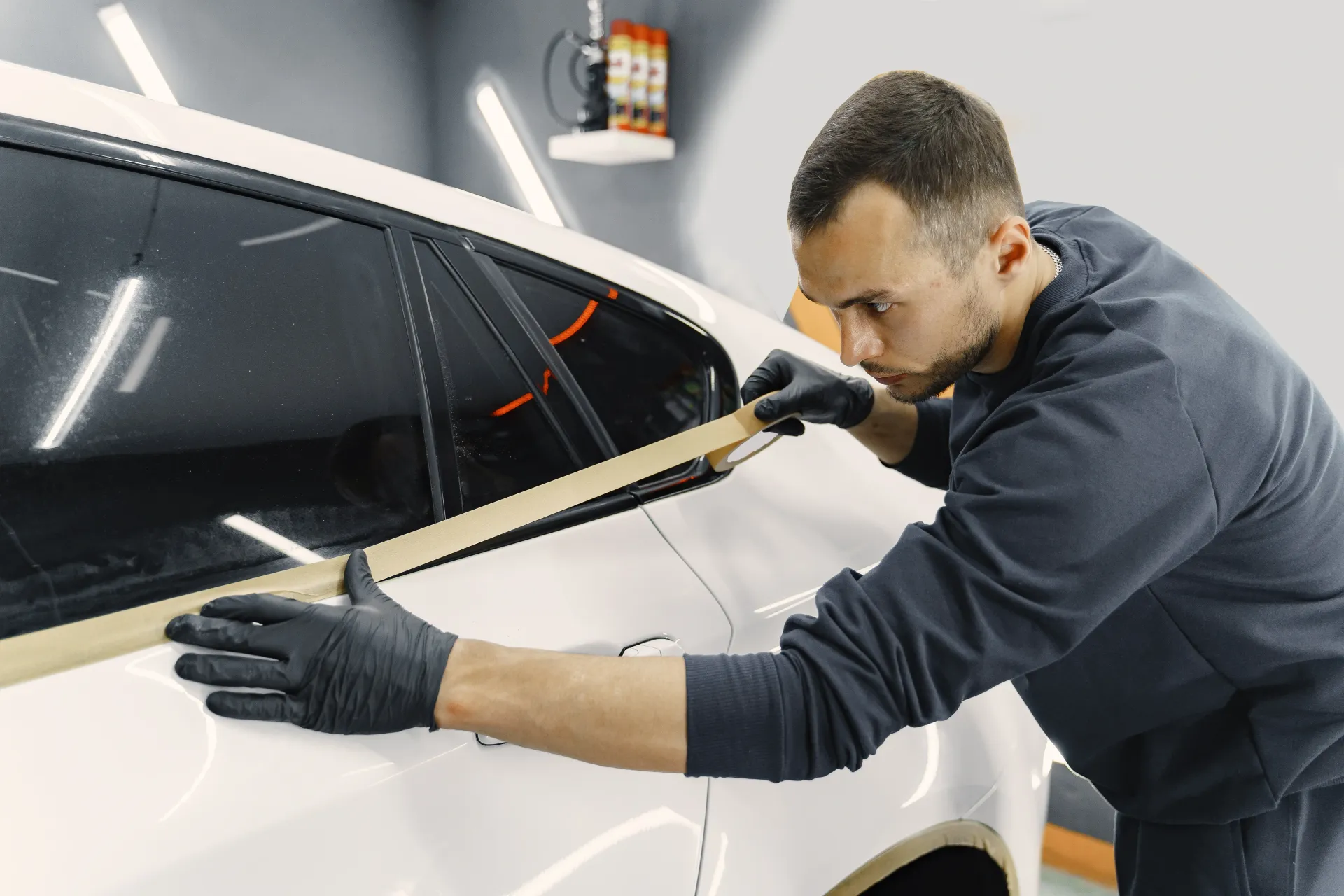
Window tinting is a trade requiring immense precision. The glass in modern cars is curved, complex, and dotted with electronics (dot matrices). At Tint Integrity, we don't just stick film on glass. We shrink-form it to the specific curvature of your vehicle. We file the edges so there is no gap when you roll the window down. It looks like factory glass.
For the residents of Cudahy, we aren't just a service provider; we are the local authority. We know the climate, we know the roads, and we know exactly what film specs perform best for the daily grind in 90201.
Don't Wait for Summer
The smartest car owners in California get their tint done in the winter. The shops are less frantic, you get immediate relief from the glare, and your car is prepped and cured long before the first heatwave hits in May. Protect your eyes, your skin, and your property.
Frequently Asked Questions
Does window tinting help with night driving glare?
Yes, but it depends on the film. High-quality window tinting can reduce the "starburst" effect from oncoming LED headlights and streetlamps. However, going too dark on the windshield or front windows can reduce visibility. A specialized ceramic tint is best for reducing glare without compromising night vision.
Can I roll my windows down immediately after tinting?
No. You must wait at least 3 to 5 days before rolling your windows down. The adhesive needs time to cure and bond to the glass. In cooler winter temperatures, like we see in Cudahy, this curing process might take slightly longer than in summer.
Is ceramic tint worth the extra cost over regular tint?
Absolutely. Standard dyed tint only blocks light (privacy); it does very little to stop heat. Ceramic window tinting uses nanotechnology to block infrared heat and UV rays without needing to be super dark. It offers superior clarity, no signal interference for phones, and massive heat rejection.