-1920w.webp)
-1920w.webp)

Factory Tint vs. Aftermarket Tint: The Hidden Truth About Your Car's UV Protection
When you buy a new SUV, truck, or minivan, you often notice the rear windows are darker than the front ones. This is commonly referred to as "factory tint." It looks sleek, provides privacy, and seems like a premium feature. Many new car owners assume this darkened glass offers the same level of protection as the window tint they see advertised by specialty shops. Unfortunately, this is a dangerous and costly misconception. The truth is, that factory-dyed glass is not providing the comprehensive protection you and your family need from the sun's harmful rays.
Here at Tint Integrity, we believe in educating our clients so they can make the best decisions for their vehicles and their well-being. The difference between factory privacy glass and high-performance aftermarket window film is not just cosmetic—it's a crucial distinction that impacts your health, safety, and the longevity of your vehicle's interior. In this guide, we'll break down the science, compare the technologies head-to-head, and reveal why dyed glass is no substitute for real, professionally installed window tint.

Understanding Factory "Tint": It's Not What You Think
The first thing to understand is that factory "tint" isn't a tint at all. It's not a film or a coating applied to the window. Instead, it's a type of glass known as "privacy glass" or "dyed glass." During the manufacturing process of the window itself, a dark pigment is mixed directly into the glass. This process gives the glass its dark color, which is consistent all the way through.
The primary purpose of this dyed glass is exactly what its name implies: privacy. It's designed to reduce the amount of visible light that passes through the glass, making it harder for people to see into the back of your vehicle. This is why it's almost exclusively found on the rear passenger windows and back windshield of SUVs and minivans, and not on the front driver and passenger windows, where visibility laws are stricter.
The Critical Flaw: A Lack of Comprehensive UV Protection
While privacy glass effectively reduces visible light (the light we can see), it does very little to block the most harmful components of sunlight: ultraviolet (UV) and infrared (IR) rays. Sunlight is a spectrum, and the parts you can't see are often the most damaging.
- UVB Rays: These are the primary cause of sunburn. All automotive glass, including standard clear glass and factory privacy glass, is effective at blocking most UVB rays. This is why you're unlikely to get a sunburn inside your car.
- UVA Rays: This is where the danger lies. UVA rays penetrate deeper into the skin and are the leading cause of premature skin aging (wrinkles, sunspots) and, most alarmingly, skin cancer. Factory privacy glass offers minimal protection against UVA rays, leaving you and your passengers exposed during every drive.
- Infrared (IR) Rays: These are the rays you feel as heat. Factory privacy glass does absorb some heat simply because it's dark, but it doesn't reflect it. This means the glass itself gets hot and radiates that heat into the cabin, doing little to keep your car cool on a sunny day.
So, while your factory glass provides privacy, it's essentially leaving you vulnerable to the invisible threats of UVA radiation and the uncomfortable heat of IR rays.
The Superior Technology of Aftermarket Window Film
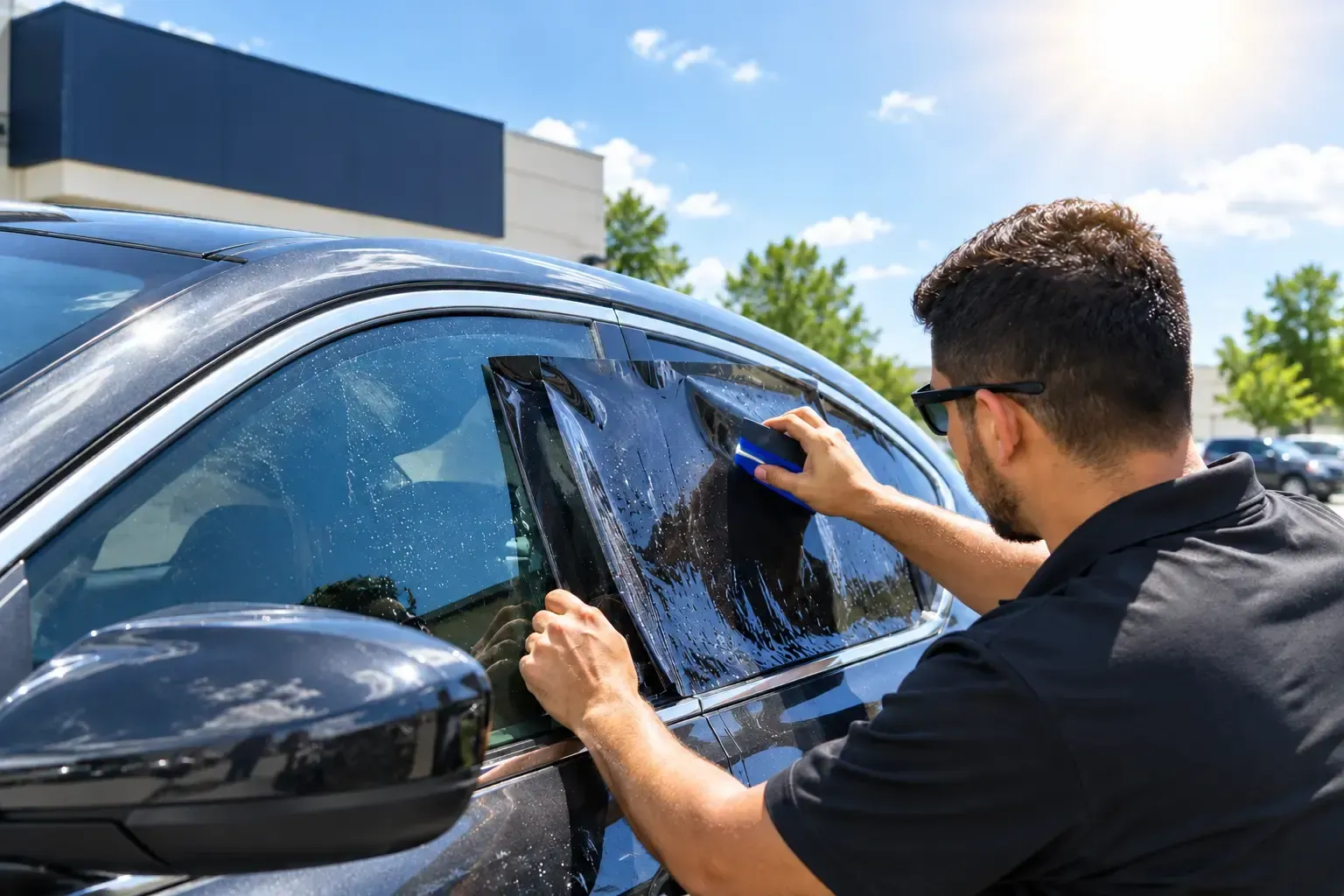
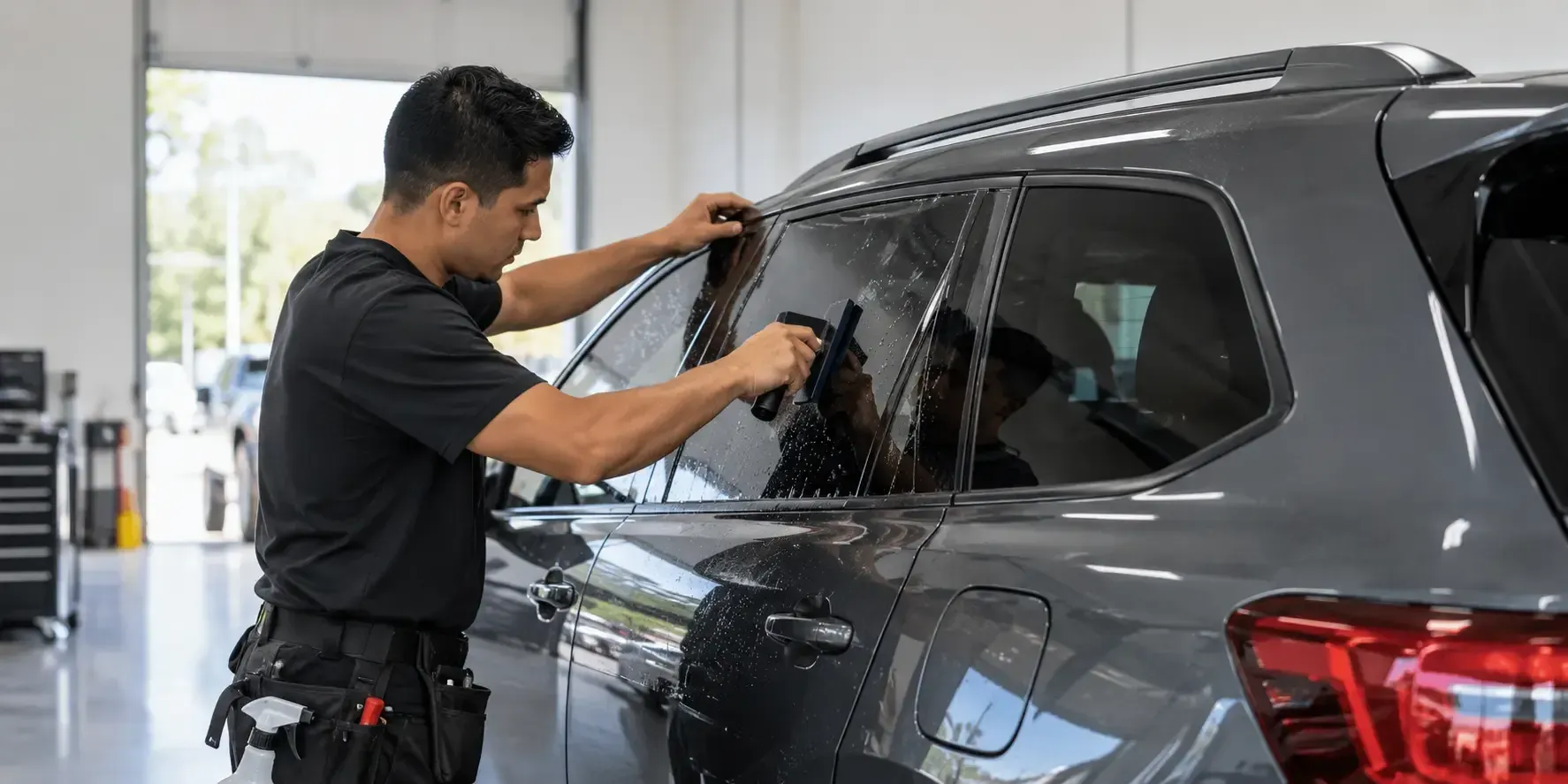
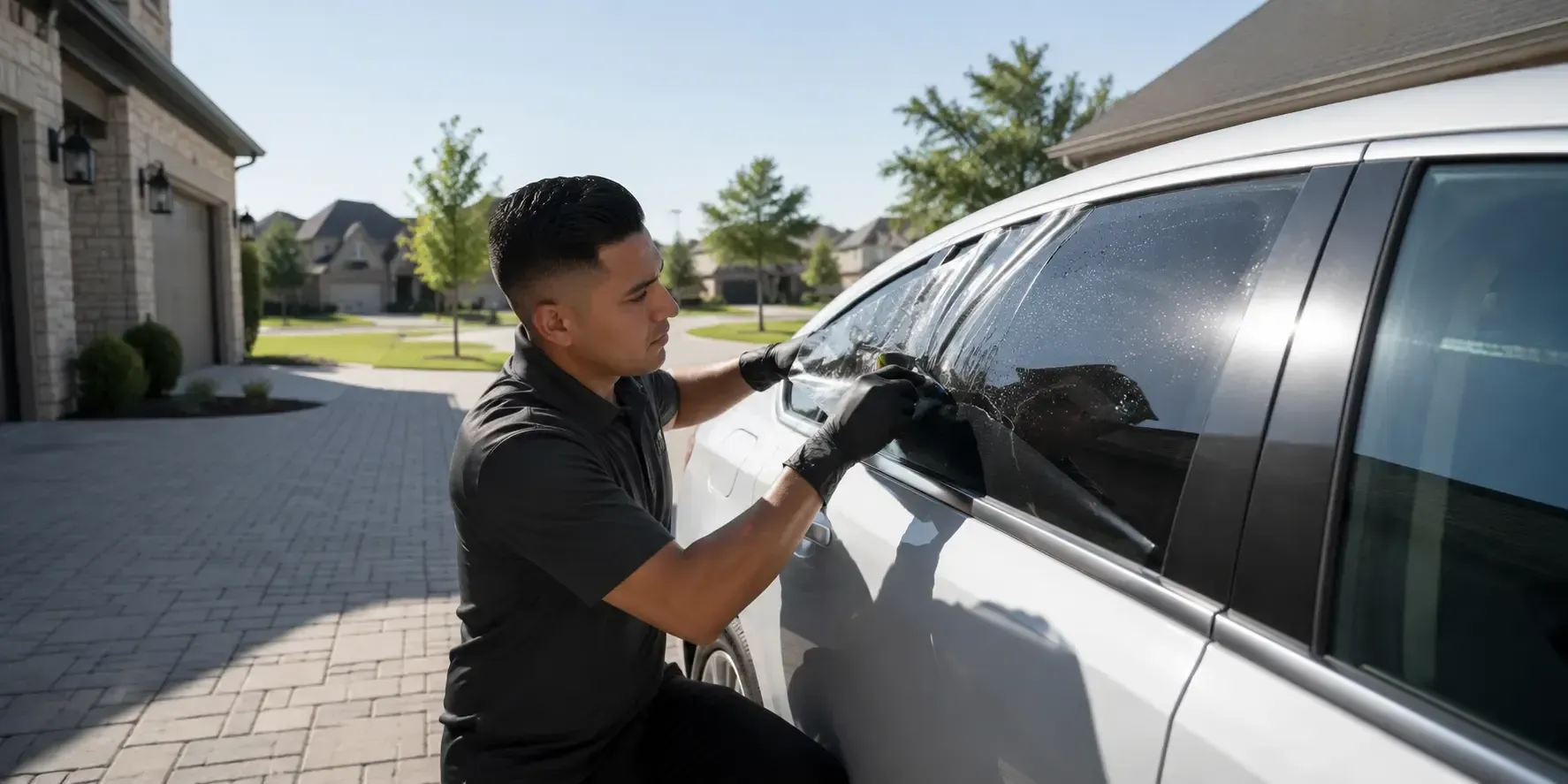
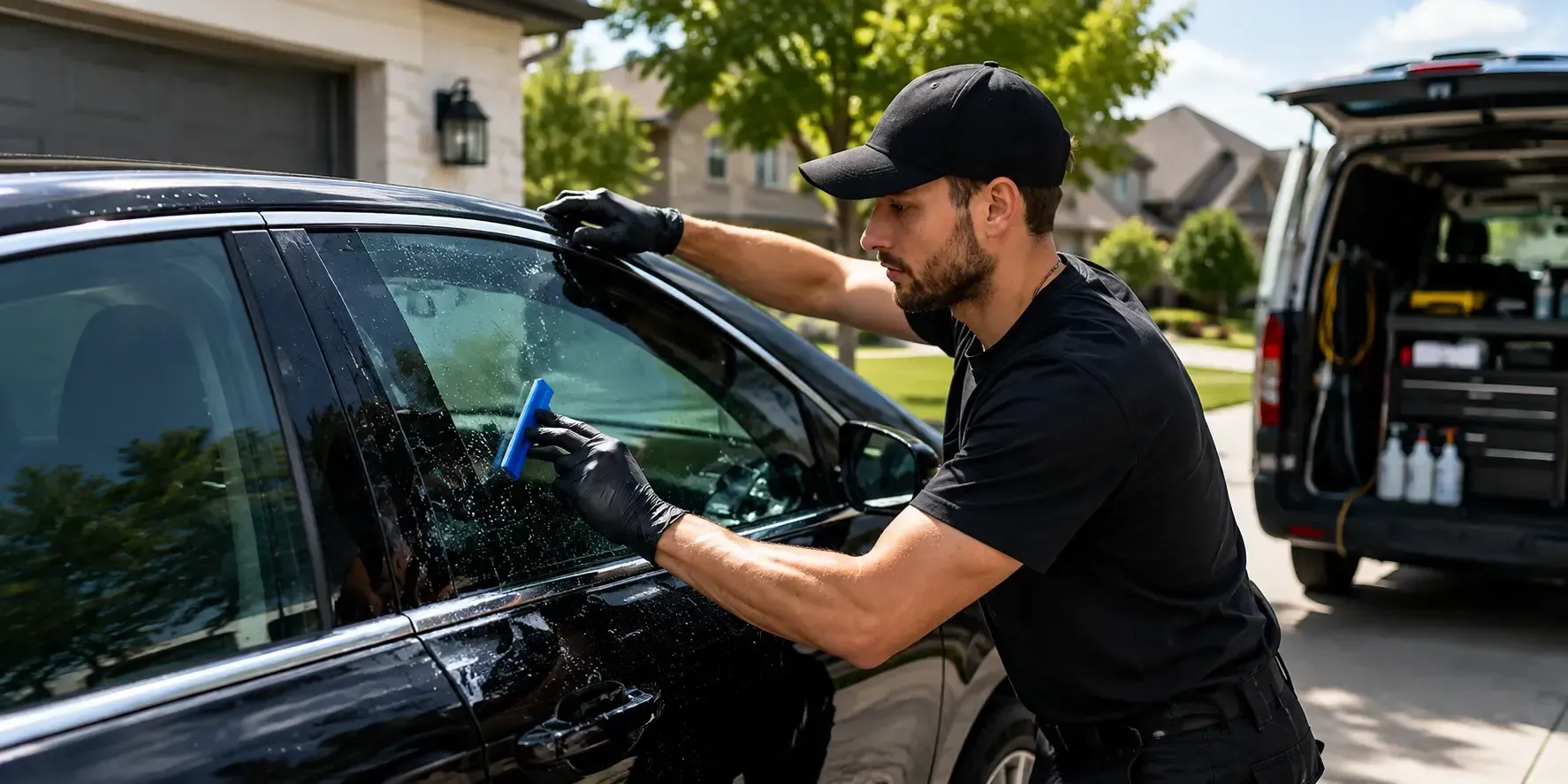
Unlike dyed glass, aftermarket window tint is a technologically advanced film, typically made from layers of high-grade polyester, that is professionally applied to the interior surface of your car's windows. This film is engineered with specific technologies designed to manage the full spectrum of solar energy. At Tint Integrity, we focus on providing the most advanced solutions to our customers.
There are several types of window films, but modern, high-performance films are where the real benefits lie:
- Dyed Film: This is the most basic type. It uses dye to absorb solar energy, similar to privacy glass. It offers good privacy and glare reduction but provides limited heat rejection and is prone to fading and turning purple over time.
- Carbon Film: A significant step up, carbon film contains carbon particles that are excellent at blocking infrared heat. It has a true black, matte finish, is more durable than dyed film, and won't fade.
- Ceramic Film: This is the pinnacle of window film technology and what we specialize in for our window tinting services. Ceramic film is infused with non-metallic, non-conductive nano-ceramic particles. These particles are spectrally selective, meaning they can distinguish between different wavelengths of light. They are engineered to block a massive amount of UV and IR rays while allowing maximum visible light to pass through.
The Ceramic Advantage:
- 99%+ UV Rejection: It blocks virtually all UVA and UVB rays, providing a powerful shield for your skin and your car's interior. The Skin Cancer Foundation recommends window film as part of a comprehensive sun protection program.
- Exceptional Heat Rejection: By targeting and reflecting infrared rays, ceramic film keeps your car significantly cooler, reducing the strain on your AC and improving fuel efficiency.
- No Signal Interference: Because it contains no metal, ceramic film will not interfere with your cell phone, GPS, or radio signals like older metallic films could.
- Crystal Clear Views: You can choose a very light shade of ceramic film that is almost invisible, yet it will still outperform dark, factory-dyed glass in both UV and heat protection.
Factory Privacy Glass vs. Aftermarket Tint: A Detailed Showdown
To make the differences crystal clear, let's compare factory privacy glass directly against a high-performance aftermarket ceramic film.
| Feature | Factory Privacy Glass | High-Performance Ceramic Film |
|---|---|---|
| UV Protection (UVA & UVB) | Blocks most UVB, but very little UVA. Offers poor overall UV protection. | Blocks over 99% of both UVA and UVB rays, providing an SPF of 1000+. |
| Heat Rejection (IR) | Minimal. Absorbs some heat, but radiates it into the cabin. | Excellent. Can block up to 98% of infrared heat, keeping the cabin significantly cooler. |
| Glare Reduction | Good. Reduces visible light transmission. | Excellent. Significantly reduces glare for safer, more comfortable driving. |
| Privacy | Primary function. Provides good privacy for rear windows. | Fully customizable. Can match or exceed factory privacy levels on all windows. |
| Safety & Security | None. Glass shatters into many pieces upon impact. | Adds a layer of shatter resistance, holding broken glass together in an accident or break-in. |
| Interior Protection | Poor. Allows UVA rays to fade and crack dashboards, leather, and upholstery. | Superior. Prevents fading and deterioration of the vehicle's interior, preserving its value. |
| Application Area | Typically only rear side and back windows. | Can be applied to all windows, including the front windshield (with a clear film). |
Beyond Comfort: The Health and Safety Benefits of Real Tint
Choosing high-quality aftermarket tint is about more than just keeping your car cool. It's a proactive investment in your health and safety. Our commitment to our clients goes beyond the vehicle itself; it's about providing peace of mind. You can learn more about our philosophy on our About Us page.
Protecting Your Skin
Daily driving exposes you to a significant amount of UVA radiation, especially on your left arm and the left side of your face. Studies have shown a correlation between driving and a higher incidence of skin cancer on the left side of the body in countries where the driver sits on the left. By installing ceramic window film, you create a protective barrier that shields you and your family from these invisible dangers every time you get in the car.
Enhancing Vehicle Safety
In the unfortunate event of a car accident or a break-in attempt, untreated glass shatters, sending sharp shards flying into the cabin. Aftermarket window film has a strong adhesive that bonds to the glass. If the window breaks, the film holds the shattered pieces together, protecting occupants from injury and making it more difficult for thieves to gain entry.
Preserving Your Investment
The same UV and IR rays that harm your skin also wreak havoc on your car's interior. They cause dashboards to crack, leather seats to dry out and fade, and fabric upholstery to discolor. By blocking these rays, window film acts like sunscreen for your car, preserving its interior condition and helping to maintain its resale value for years to come.
The Perfect Combination: Applying Aftermarket Film Over Factory Glass
A common question we get is, "Can you put tint over the factory privacy glass?" The answer is a resounding yes! In fact, this is the recommended approach for complete protection and a uniform look.
By applying a high-quality ceramic film over your rear privacy glass, you add all the benefits that the dyed glass lacks: 99%+ UV protection, massive heat rejection, and shatter resistance. For the front windows, which are typically clear from the factory, we can install a film that matches the darkness of the rear windows. This creates a seamless, elegant look for your entire vehicle while ensuring every passenger is fully protected. You can even apply a virtually clear ceramic film to your front windshield to block a huge amount of heat and UV rays without affecting visibility.
Make the Smart Choice for Your Vehicle with Tint Integrity
The dark glass on your new vehicle may look the part, but it doesn't offer the protection you deserve. Factory privacy glass is a cosmetic feature for privacy, not a technological solution for safety and health. High-performance aftermarket window film, especially advanced ceramic tint, is the only way to get comprehensive protection from the full spectrum of solar energy.
Investing in quality window tint is an investment in your family's health, your vehicle's safety, and the preservation of your car's interior. It's a decision that pays dividends in comfort and peace of mind every single day. Ready to upgrade your ride with real protection? Explore our window tinting services or contact us today to discuss the perfect solution for your vehicle.
Frequently Asked Questions
Is factory tint enough to protect my children from the sun?
Unfortunately, no. Factory privacy glass primarily offers privacy and reduces glare but lacks significant UVA protection, the rays responsible for skin damage and aging. To fully protect your children, applying a high-quality aftermarket film that blocks over 99% of UV rays is essential.
Will aftermarket tint make my windows too dark to see out of at night?
Not at all. This is a common myth based on older, cheaper films. Modern ceramic films provide incredible heat and UV rejection without needing to be dark. You can choose a lighter shade that preserves excellent night visibility while still providing maximum protection from the sun.
Can I install window tint myself?
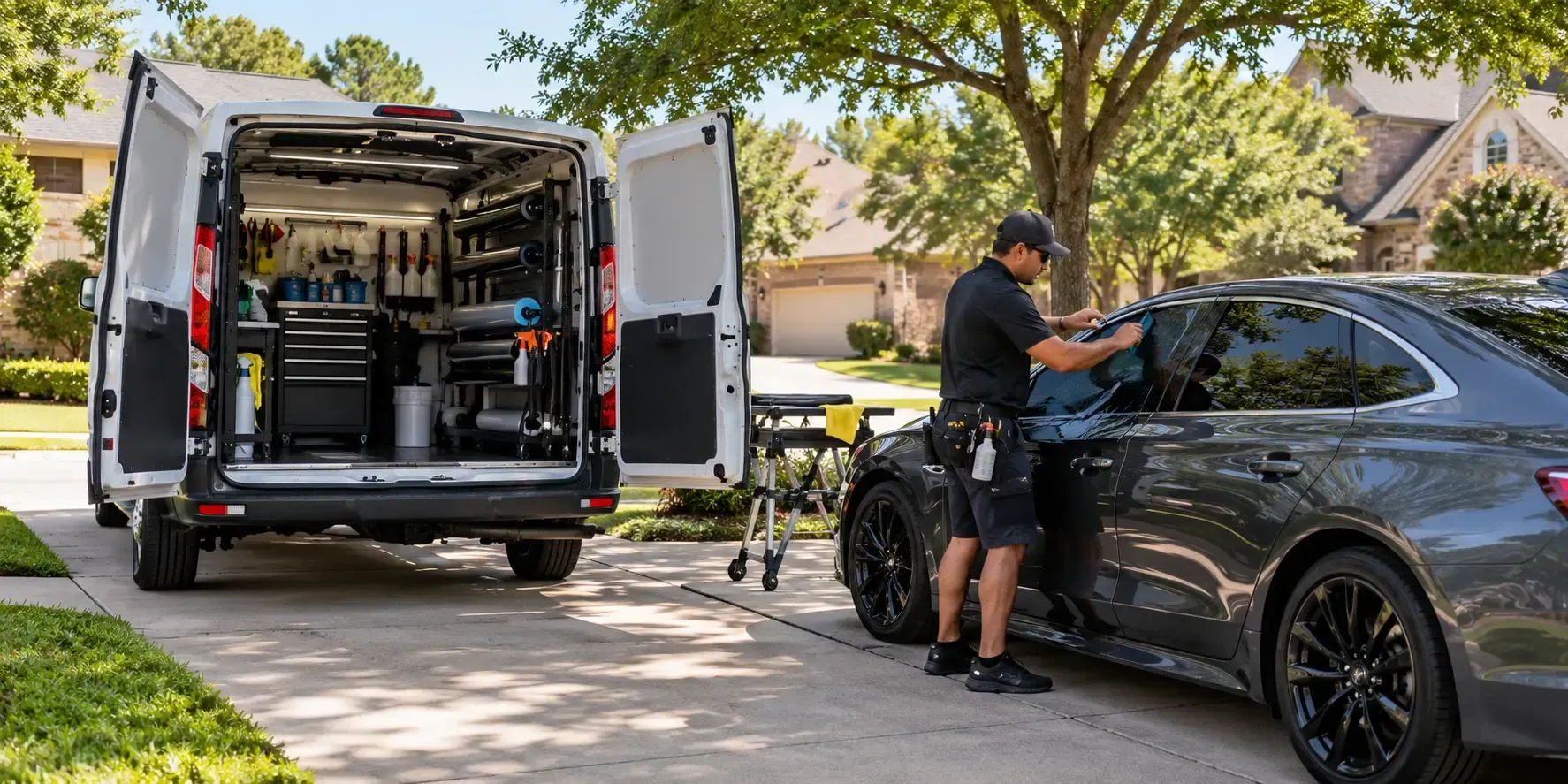
While DIY kits are available, professional installation is highly recommended for several reasons. The team at Tint Integrity has the experience, tools, and clean environment necessary for a flawless, bubble-free application. Professionals also use higher-grade, more durable materials that are backed by a comprehensive warranty, which you won't get from a DIY kit.
How long does high-quality aftermarket tint last?
Professional-grade ceramic window films are engineered for extreme durability. When installed correctly by a reputable shop like Tint Integrity, they are designed to last for the lifetime of your vehicle without bubbling, peeling, cracking, or changing color.