-1920w.webp)
-1920w.webp)

Window Tint Peeling Explained: Common Mistakes and Smart Prevention Tips
Discover why window tint peels, the common mistakes car owners make, and how to ensure your vehicle stays protected with professional-grade solutions from Tint Integrity.
The Frustration of Peeling Window Tint
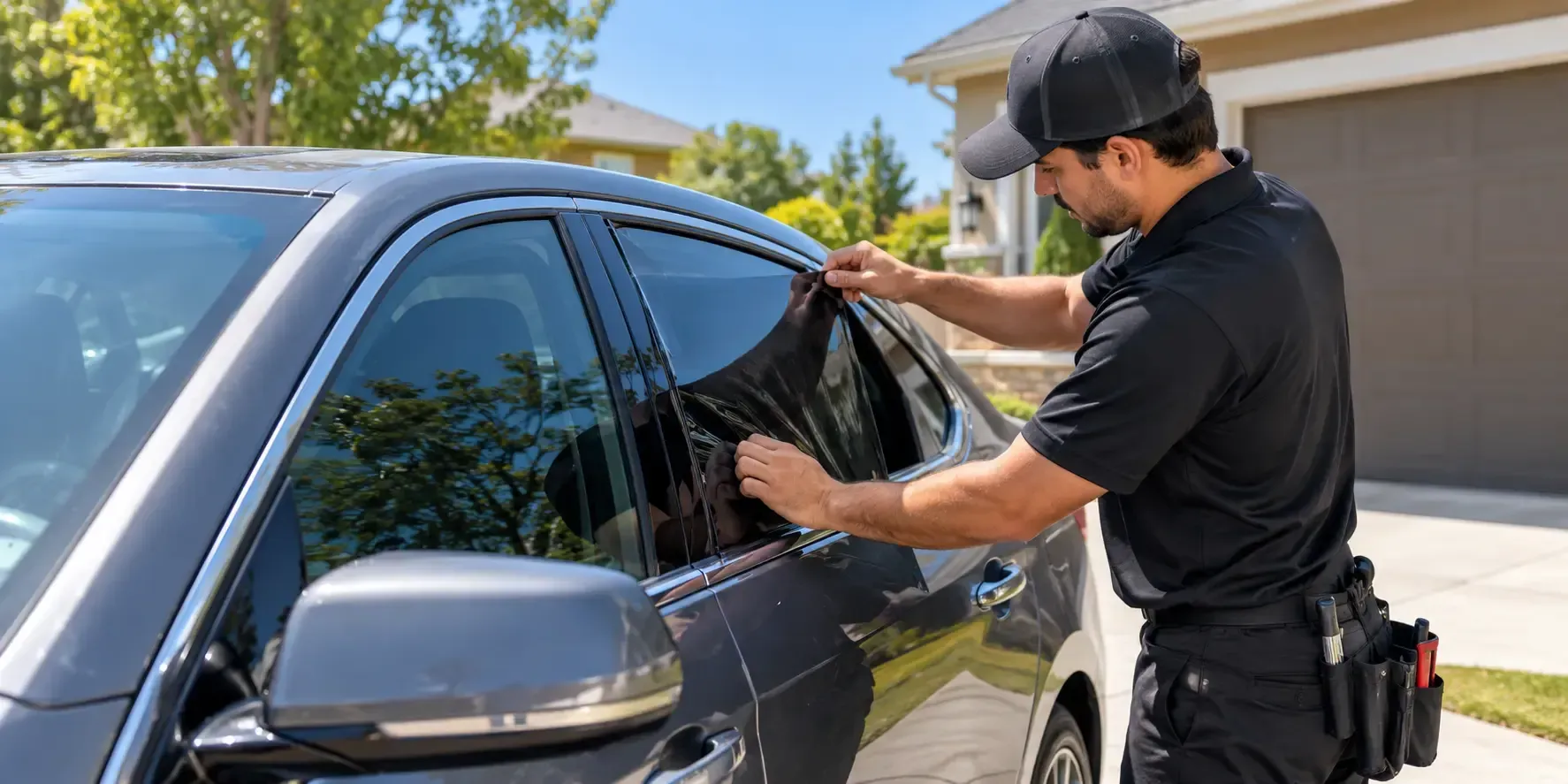
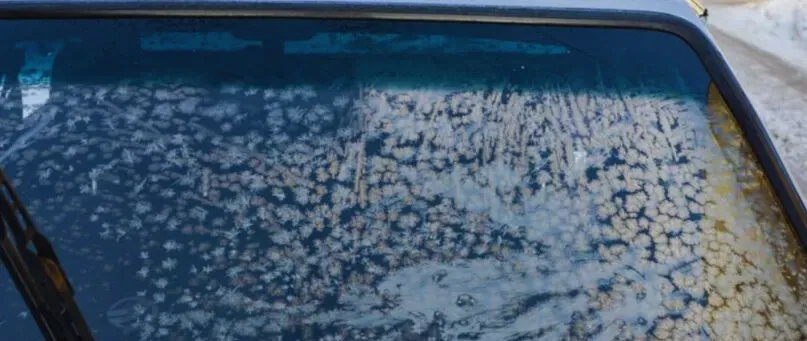
You’re driving down the road, the sun is shining, and you glance in your rearview mirror only to see it: a jagged, curling edge on your back window. Window tint peeling isn't just an aesthetic nightmare; it’s a sign that your vehicle’s protection is compromised. Whether it’s a small corner lifting or a large sheet beginning to flake away, peeling tint is a common headache for many car owners.
At Tint Integrity, we believe that understanding the "why" behind window film failure is the first step toward a permanent solution. Window tinting is a sophisticated blend of polyester, dyes, and advanced adhesives. When one of these components fails, the entire structure collapses. In this comprehensive guide, we will dive deep into the science of adhesive failure, the environmental factors at play, and why choosing the right professionals is the only way to guarantee longevity.
Why Is My Window Tint Peeling? The Science of Adhesive Failure
To understand why window tint peels, we have to look at what holds it to the glass. Most high-quality window films use a pressure-sensitive adhesive (PSA). This adhesive is designed to form a molecular bond with the glass surface. However, this bond is not invincible.
1. UV Radiation and Thermal Degradation
The very thing window tint is designed to block—UV rays—is often what eventually destroys it. Over time, constant exposure to intense sunlight breaks down the chemical bonds in the adhesive. This process, known as photodegradation, makes the glue brittle. Once the adhesive loses its flexibility, it can no longer expand and contract with the glass as temperatures change, leading to the dreaded "peel."
2. Poor Installation Techniques
If your tint starts peeling shortly after application, the culprit is likely the installation process. If the glass wasn't cleaned with surgical precision, microscopic particles of dust, oil, or even skin cells can prevent the adhesive from making full contact. This creates "weak spots" where the film can begin to lift. This is why our team at Tint Integrity emphasizes a sterile environment and rigorous glass preparation for every vehicle we service.
3. High Humidity and Moisture Seepage
In regions with high humidity, moisture can find its way under the edges of the film. This is particularly common near the window seals (the "sweeps"). If the film wasn't tucked properly or if the edges weren't heat-shrunk to fit the curvature of the glass, water can act as a wedge, slowly prying the film away from the surface.
Common Mistakes That Lead to Window Tint Peeling
While some factors are environmental, many instances of peeling are caused by preventable mistakes. Avoiding these pitfalls can extend the life of your tint by years.
Using Ammonia-Based Cleaners
This is the number one "tint killer." Ammonia is a powerful solvent that is excellent for cleaning glass but devastating for window film. It eats through the protective topcoat and dissolves the adhesive. If you use a standard blue glass cleaner on your tinted windows, you are essentially melting the glue. Always use ammonia-free cleaners specifically formulated for window film.
Rolling Down Windows Too Soon
After a new installation, the adhesive needs time to "cure." This process involves the evaporation of the application fluid used to position the film. Depending on the weather, this can take anywhere from three to seven days. If you roll down your windows too early, the friction of the window seals can catch the edge of the uncured film and pull it down, initiating a peel that cannot be fixed.
Choosing "Bargain" Window Films
Not all tints are created equal. Cheap, dyed films found in DIY kits or at discount shops often use inferior adhesives and unstable dyes. These films are notorious for turning purple and peeling within a year. Investing in high-performance ceramic or carbon films from a reputable provider ensures that the materials are engineered to withstand the test of time. You can explore our range of high-quality options on our services page.
The Difference Between Bubbling and Peeling
It is important to distinguish between bubbling and peeling, as they often stem from different issues. Bubbling usually occurs in the middle of the window and is often caused by "outgassing"—the release of gases from the adhesive as it breaks down. Peeling, conversely, almost always starts at the edges. While bubbling is a sign of internal failure, peeling is a sign of a lost physical bond at the perimeter.
Both issues signify that the film has reached the end of its lifespan. If you notice either, it is time to consult the experts. You can contact us for a professional evaluation of your current tint's condition.
Smart Prevention Tips: How to Make Your Tint Last
Prevention is always more cost-effective than replacement. Here is how you can protect your investment:
- Park in the Shade: Reducing direct UV exposure will significantly slow down the degradation of the adhesive.
- Use Microfiber Cloths: When cleaning, avoid paper towels which can be abrasive. A soft microfiber cloth ensures you don't scratch the film's protective layer.
- Check Your Seals: Ensure your window gaskets and seals are in good condition. Worn-out seals can allow excessive moisture and debris to reach the edges of the film.
- Professional Inspection: Periodically have a professional check for signs of early lifting. Catching a small lift early can sometimes allow for a trim-and-seal fix before the whole window is ruined.
Why Professional Installation Matters
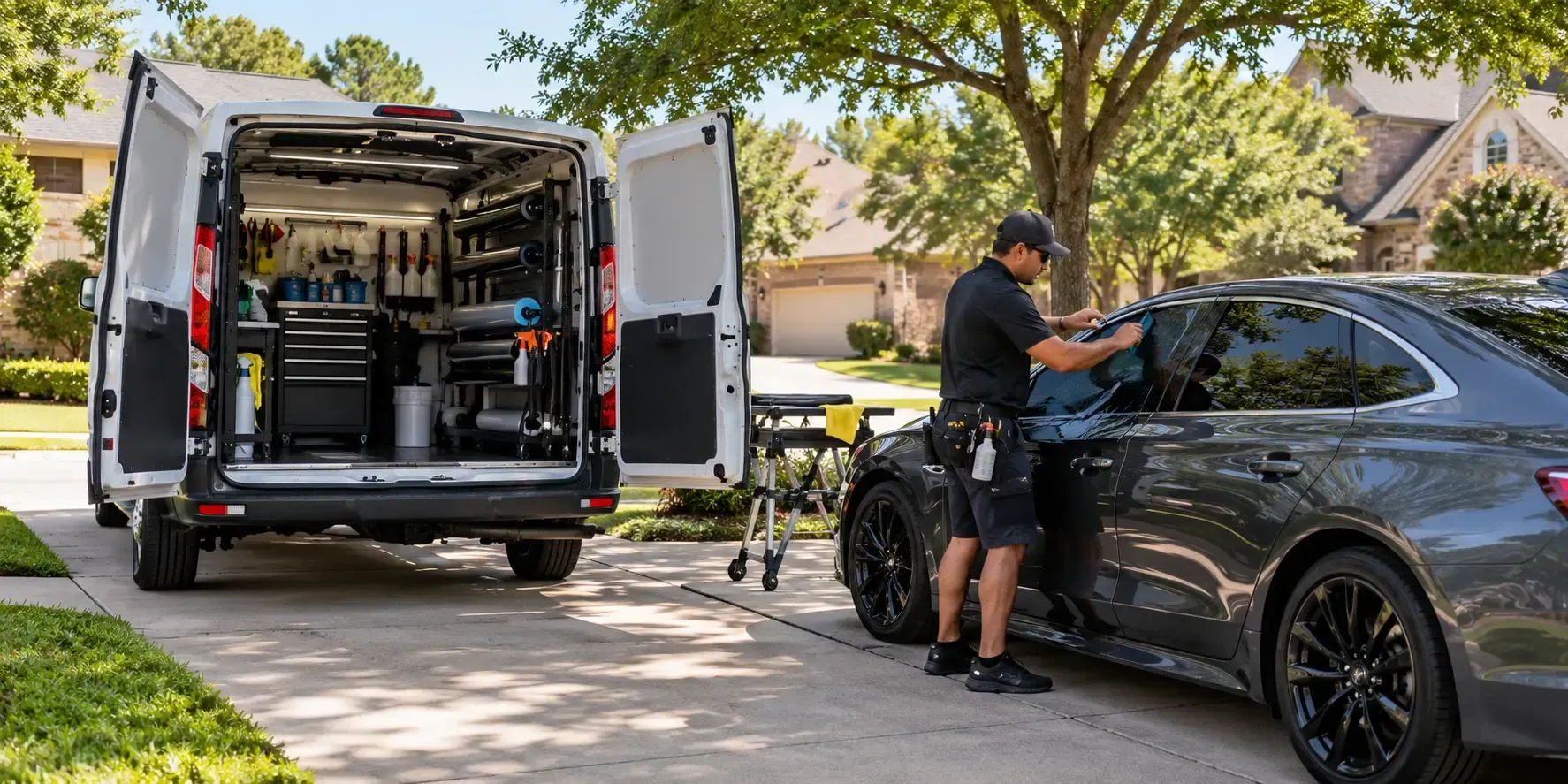
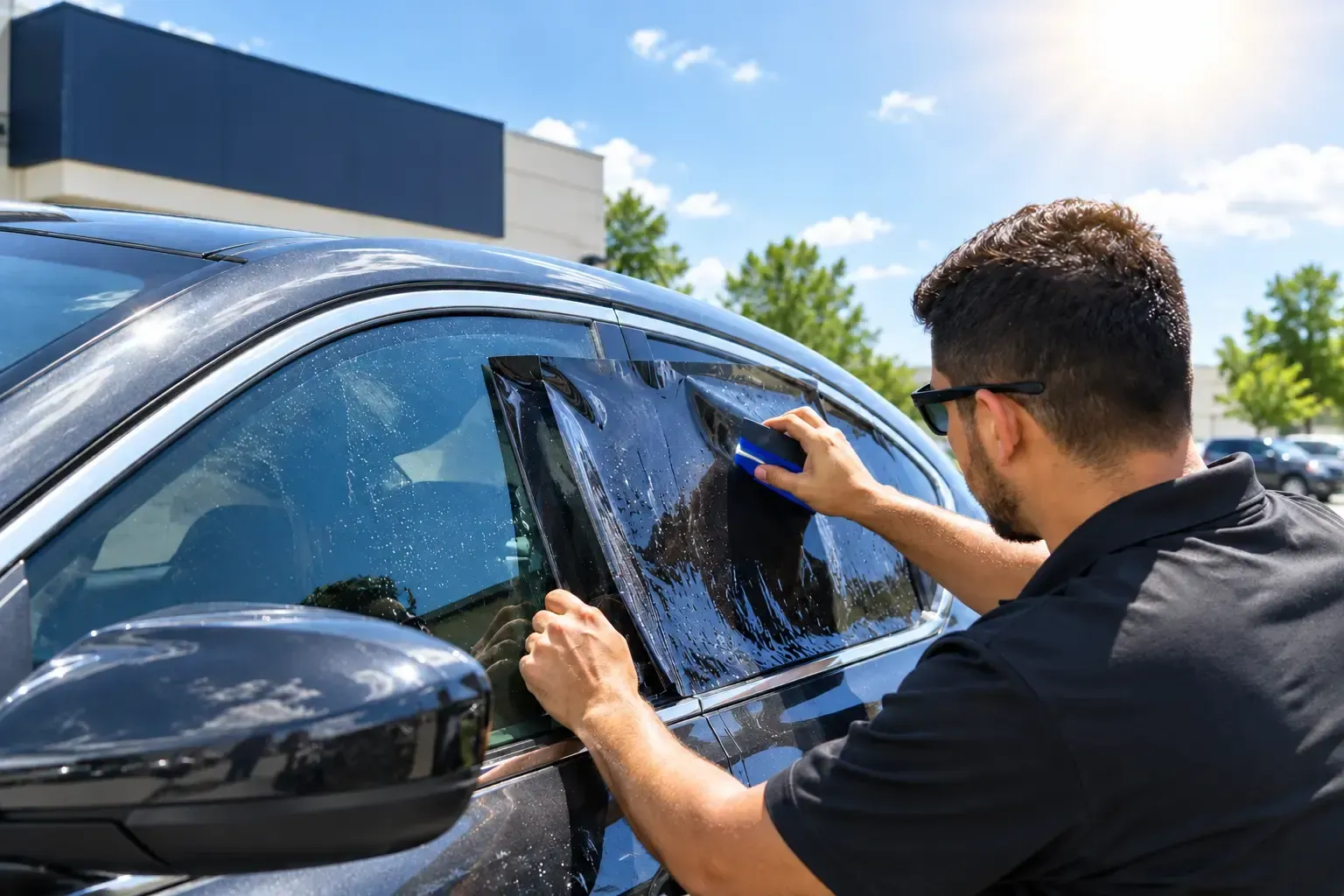
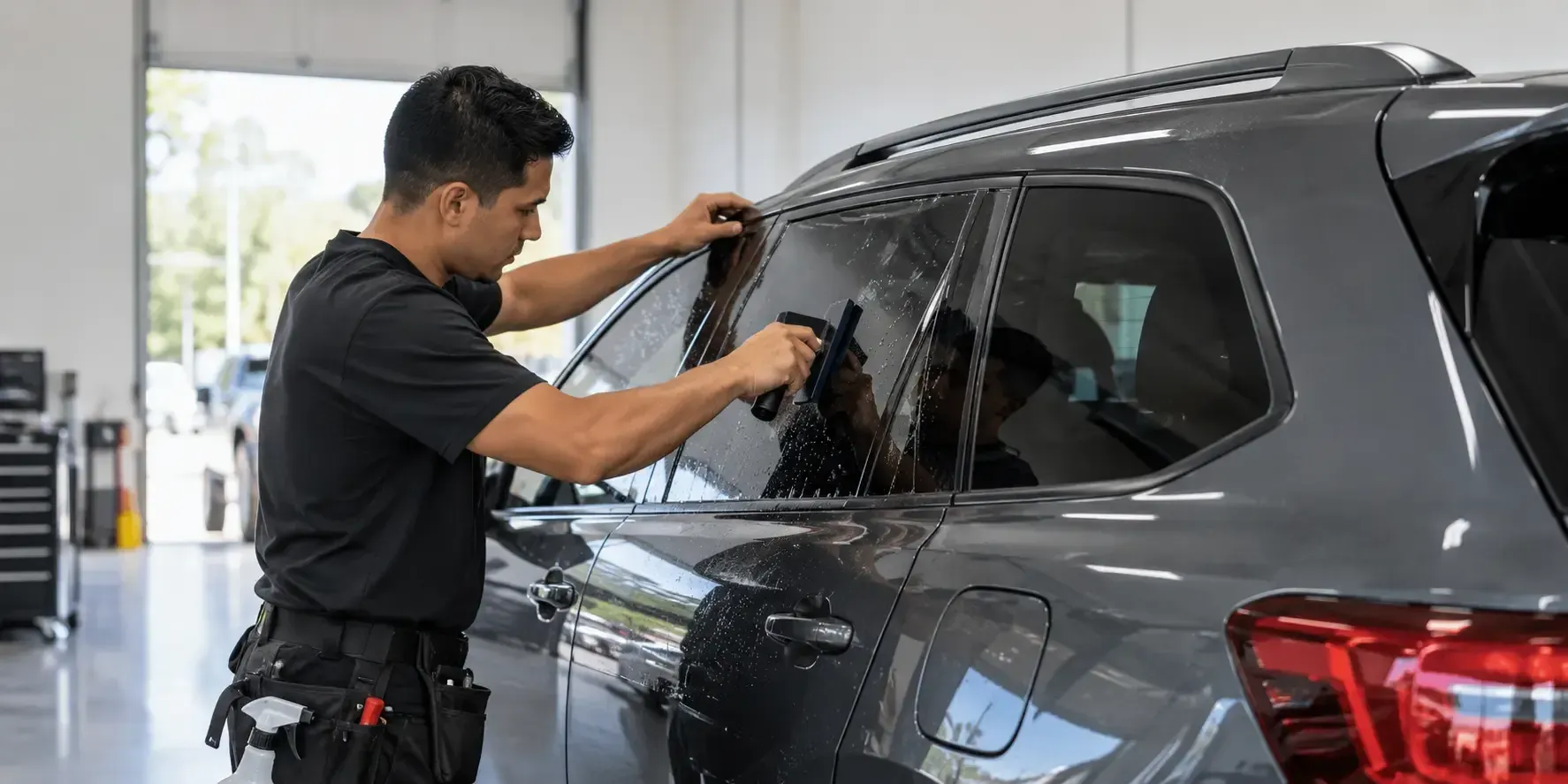
Many car owners are tempted by DIY kits, but window tinting is an art form that requires precision and specialized tools. A professional installer doesn't just "stick" the film on; they perform a multi-step process:
- Decontamination: Removing every speck of dirt and old adhesive.
- Precision Cutting: Using computer-aided plotters to ensure a perfect fit that leaves no edges exposed to friction.
- Heat Shrinking: Contouring the film to the complex curves of modern automotive glass.
- Expert Squeegeeing: Ensuring every drop of moisture is removed from behind the film to facilitate a perfect bond.
At Tint Integrity, we pride ourselves on being the industry leader in precision application. We don't just tint windows; we provide a lifetime of clarity and protection.
What to Do If Your Tint Is Already Peeling
If your tint has already started to peel, the worst thing you can do is try to "glue it back." Household adhesives like superglue or tape will damage the glass and make professional removal much more difficult and expensive.
The only real fix for peeling tint is professional removal and replacement. The removal process involves using specialized steam or chemical treatments to soften the old adhesive without damaging the window's defroster lines or the glass itself. Once the old film is gone, a fresh, high-quality film can be applied, restoring your car's look and protection.
Frequently Asked Questions
Can I fix peeling window tint myself?
Generally, no. Once the adhesive has failed and the film has peeled back, the exposed side of the film collects dust and loses its structural integrity. Attempting to re-glue it usually results in a messy, distorted finish. Professional removal and re-installation is the only way to ensure a clear, functional result.
Does window tint peeling happen more in certain climates?
Yes, window tint tends to peel faster in extremely hot, sunny climates or very humid environments. High heat accelerates the breakdown of the adhesive, while high humidity can introduce moisture at the edges of the film, weakening the bond over time. Choosing a high-grade ceramic film can help mitigate these climate-related risks.
How long should a professional window tint last?
A high-quality, professionally installed window tint should last between 5 to 10 years, and many premium ceramic films come with a lifetime warranty. Factors like the quality of the film, the precision of the installation, and how well you maintain the tint will determine its exact lifespan.
Will peeling window tint damage my car?
Peeling tint itself won't damage the glass, but the adhesive residue left behind can be a magnet for dirt and can impair your visibility, creating a safety hazard. Furthermore, if you try to scrape it off yourself, you run a high risk of scratching the glass or damaging the rear window defroster lines.
What is the best type of tint to prevent peeling?
Ceramic window tint is widely considered the best option for longevity. Unlike dyed films, ceramic films do not rely on pigments that break down over time. They offer superior heat rejection and use advanced inorganic adhesives that are much more resistant to UV degradation and thermal expansion, preventing peeling and bubbling.