-1920w.webp)
-1920w.webp)

Stop Squinting: Why Winter is the Smartest Time for Commercial Window Tinting in Cudahy
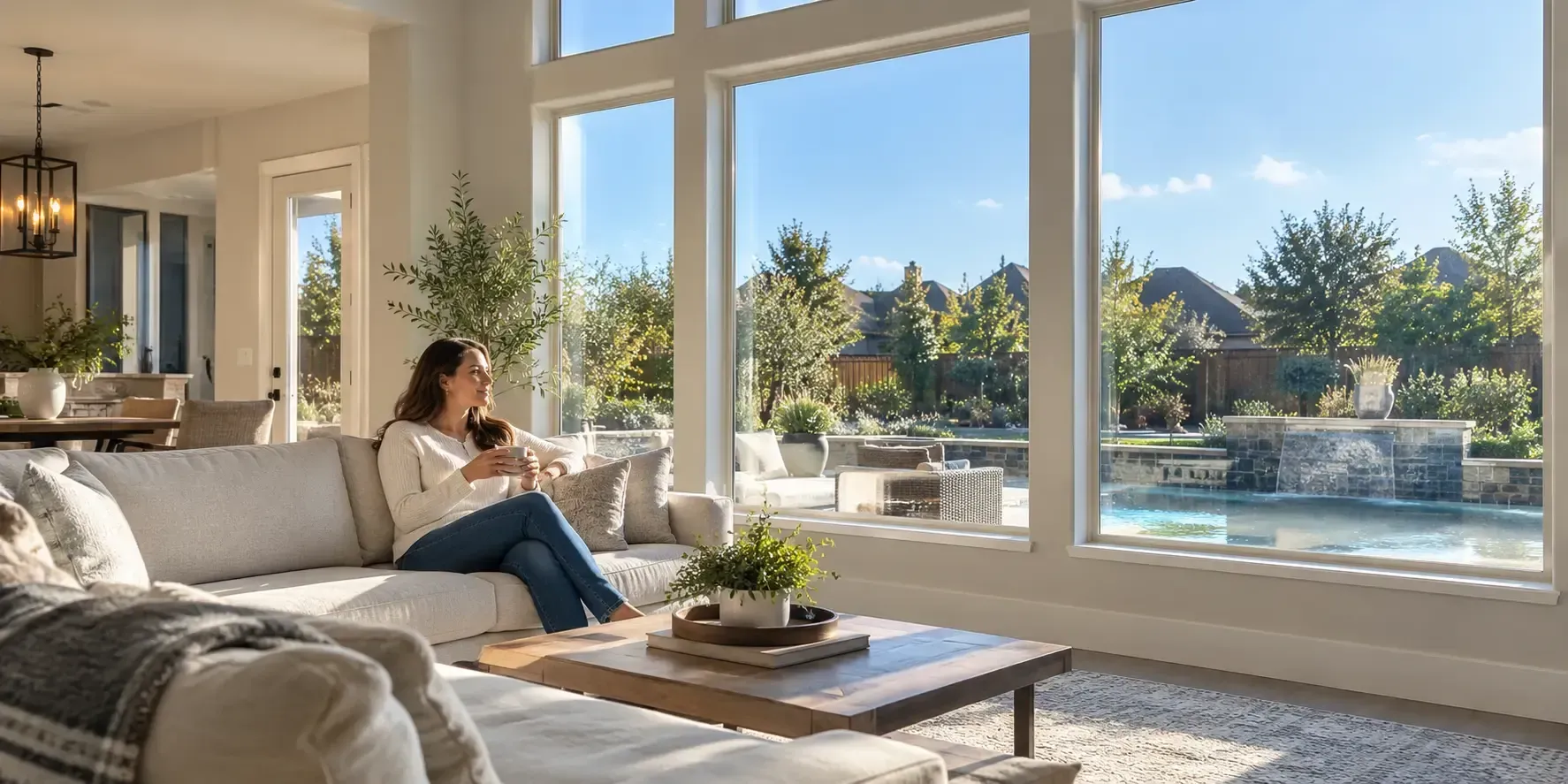
The sun is lying to you. It might feel weaker in December than it does in July, but look at your office floor. Look at the glare bouncing off your computer screens at 3:00 PM. The winter sun sits lower in the sky, acting like a laser beam that cuts deeper into your building’s interior than the high summer sun ever could. If you manage a property on Atlantic Avenue or run a warehouse near the 710, you know the drill. Blinds get pulled down. The view disappears. The workspace feels like a cave.
It doesn’t have to be this way.
Most business owners in Cudahy wait until the first heatwave of June to think about tinting. That is a strategic error. Winter is actually the most tactical time to upgrade your commercial glass. The glare is worse, the installation schedules are friendlier, and the energy savings start immediately. At Tint Integrity, we see the smartest property managers booking jobs in January, not July.
The Physics of Winter Glare in the 90201
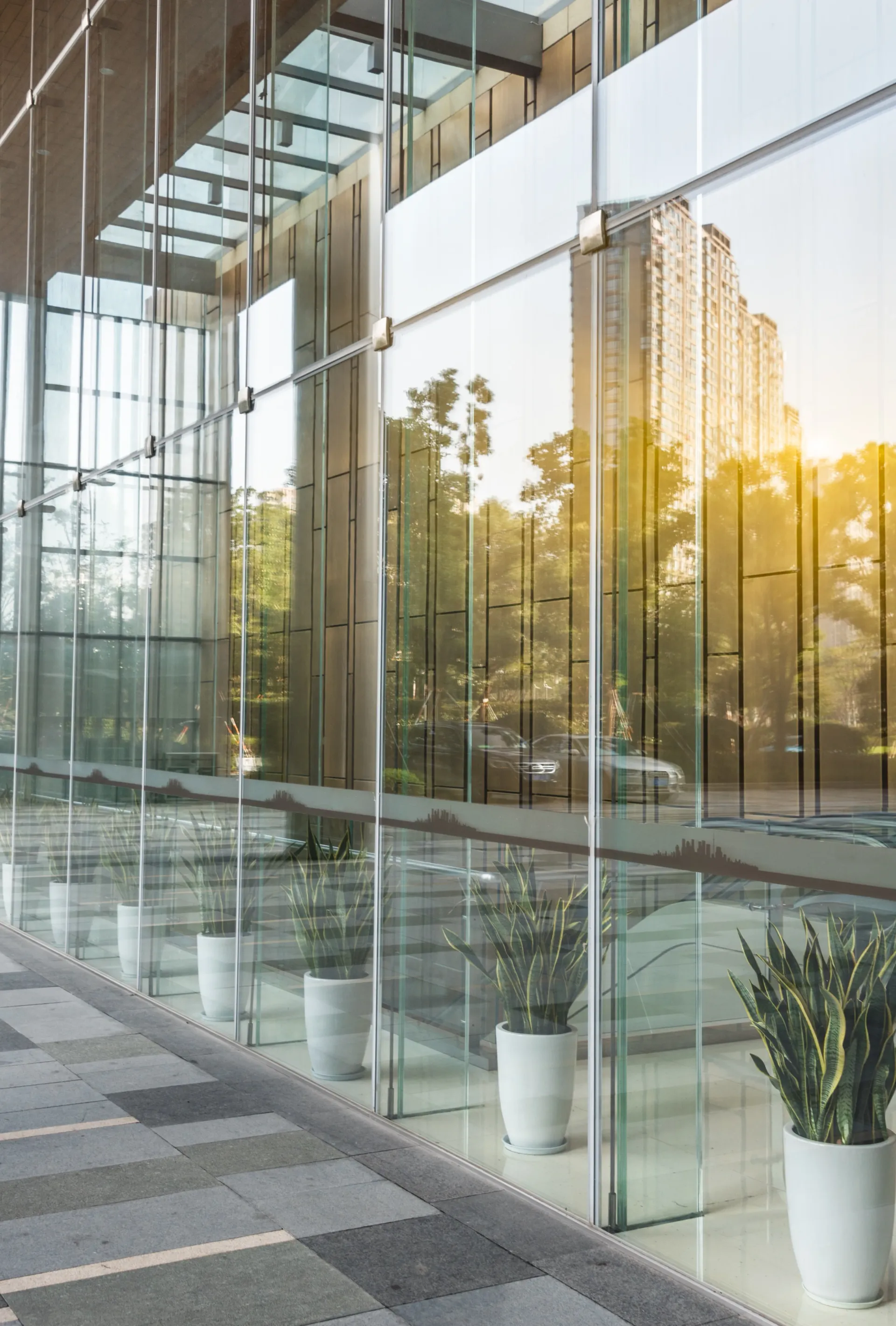
Let’s get technical for a second. In the summer, the sun is overhead. Roof overhangs and awnings do a decent job of blocking it. But in the winter months, the sun's angle drops. In Los Angeles County, this shift exposes glass that is usually shaded to direct, piercing light.
This is what we call "disability glare." It washes out monitors. It fades merchandise in storefront windows. It annoys customers trying to eat lunch without shielding their eyes.
Standard clear glass offers zero defense against this. According to the Whole Building Design Guide, uncontrolled sunlight can increase the contrast ratio in a room to levels that cause visual fatigue and headaches. By applying a high-quality commercial film, we cut that glare by up to 94% without forcing you to live in the dark.
Energy Efficiency: It’s Not Just About Cooling
Cudahy isn’t Chicago. We aren't battling blizzards. However, thermal efficiency is a year-round game. Commercial buildings in Southern California bleed heat through glass in the winter and absorb it in the summer. It’s a constant tug-of-war for your HVAC system.
When you have untinted glass, your heating system works overtime to compensate for heat loss in the morning, only to have the AC kick on in the afternoon when that low sun creates a greenhouse effect in south-facing offices. This rapid cycling wears out HVAC equipment faster than steady usage.
Modern commercial tinting acts as an insulating shield. Low-E (Low Emissivity) films reflect interior heat back into the room during cooler months while rejecting solar heat gain during the day. The U.S. Department of Energy notes that windows can be responsible for 25%–30% of residential heating and cooling energy use, a statistic that scales up aggressively for commercial structures with glass facades.
Why Cudahy Businesses Choose Tint Integrity
Local context matters. Cudahy is a dense, industrious city. We are sandwiched between Bell and South Gate, right alongside the I-710 corridor. This geography presents specific challenges that Tint Integrity addresses better than anyone else.
- The Dust and Grime Factor: Being close to the freeway means particulate matter. While tint goes on the inside, the perception of cleanliness matters. We use films that reduce the "fishbowl" effect, making exterior grime less noticeable from the inside looking out, while maintaining privacy.
- Privacy in Density: Cudahy is tightly packed. If your office is on the ground floor near Clara Street, pedestrians are looking right in. Reflective or dual-reflective films allow you to see out, but stop prying eyes from seeing in. It’s security through obscurity.
- UV Protection: The California sun doesn't take a winter break. UV rays penetrate clouds and glass, damaging furniture, flooring, and skin. Our films block 99.9% of UV rays. The Skin Cancer Foundation recommends window film as an effective preventative measure for indoor workers.
The "Off-Season" Installation Advantage
Here is the industry secret: Summer is chaos. purely chaos. Everyone realizes their AC bills are skyrocketing at the same time.
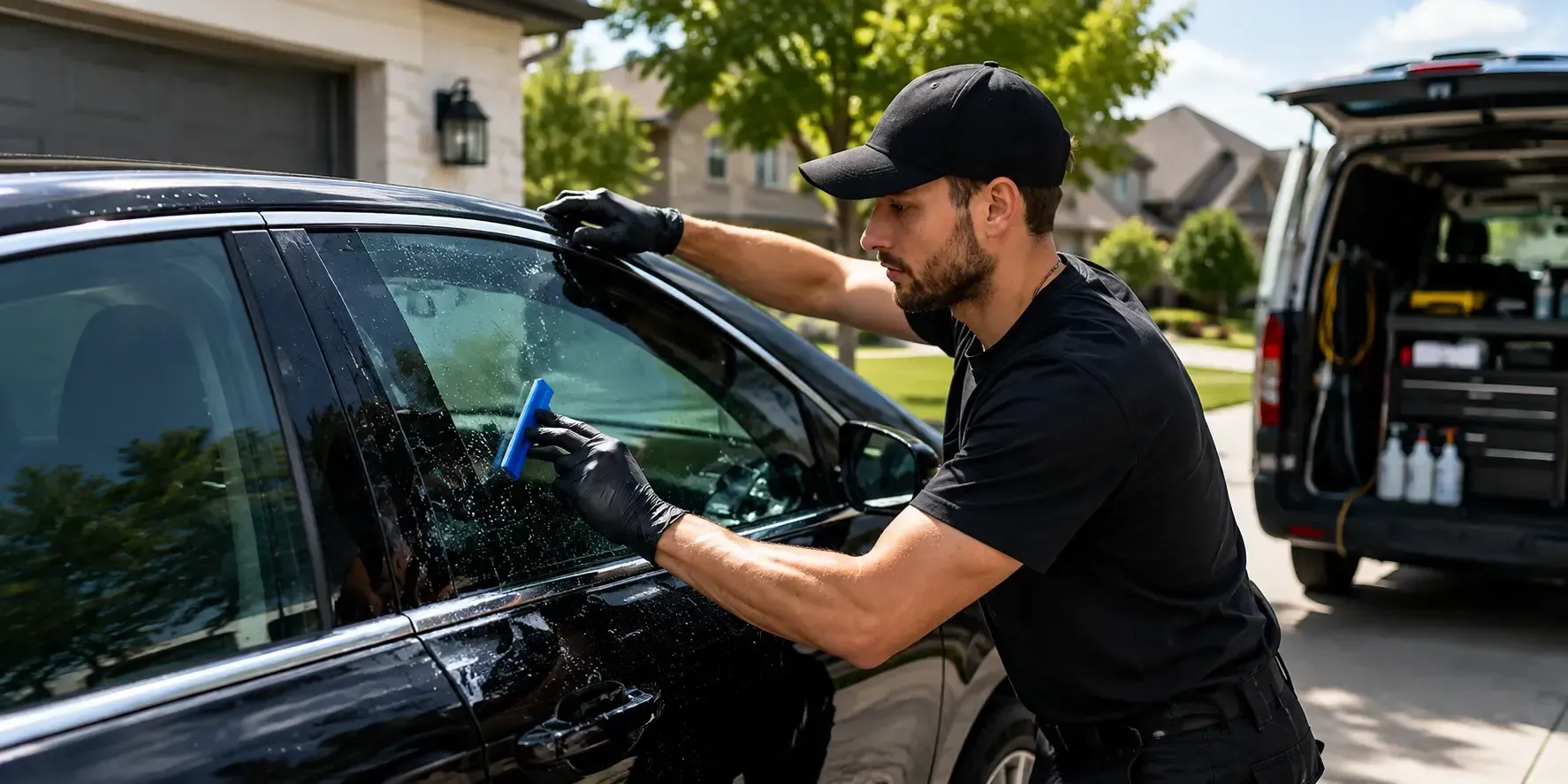
By scheduling your tinting project in the winter, you bypass the bottleneck. Tint Integrity can offer more flexible scheduling options during Q1 and Q4. We can work around your business hours more easily without the pressure of a three-week backlog. You get the same premium materials—Ceramic, Carbon, or Sputtered films—installed with more precision because the timeline is dictated by your needs, not our overflow.
Security Films: The Invisible Shield
We need to talk about security. It’s an unfortunate reality for business owners in any metro area. Glass is the weakest point of your building's envelope. Winter is an excellent time to install safety and security films. These are thicker layers of tinting designed to hold shattered glass together. If a storm throws a branch at your window, or a vandal attempts a break-in, the film holds the shards in place.
This prevents the "smash and grab." If the glass doesn't fall out immediately, burglars usually flee. It also protects your employees from flying glass injuries. For storefronts dealing with graffiti, we also offer anti-graffiti sacrifice layers applied to the exterior. If it gets tagged, we peel it off and replace it for a fraction of the cost of new glass.
Selecting the Right Film for Your Building
Not all films are created equal. Buying cheap tint is like buying cheap tires; you’ll regret it when conditions get tough. At Tint Integrity, we curate our selection based on longevity and performance.
Ceramic Film: The top tier. It uses nano-ceramic technology to reject infrared heat (the heat you feel) without darkening the window excessively. Perfect for retail showrooms in Cudahy where you want customers to see your products.
Dual-Reflective Film: The office workhorse. It’s reflective on the outside (for heat rejection and privacy) but less reflective on the inside, so you maintain your night views. This is crucial for multi-story buildings.
Spectrally Selective Film: High-tech wizardry. These films target specific wavelengths of light, blocking heat while letting visible light pass through. According to the International Window Film Association (IWFA), these advanced films offer the highest ratio of light transmission to heat rejection.
Don't Wait for the Heatwave
Waiting until July to tint your windows is reactive. Smart business is proactive. You solve the glare problem now, you lock in the heat savings for the rest of winter, and when the summer sun inevitably hammers the LA Basin, your building is already armored.
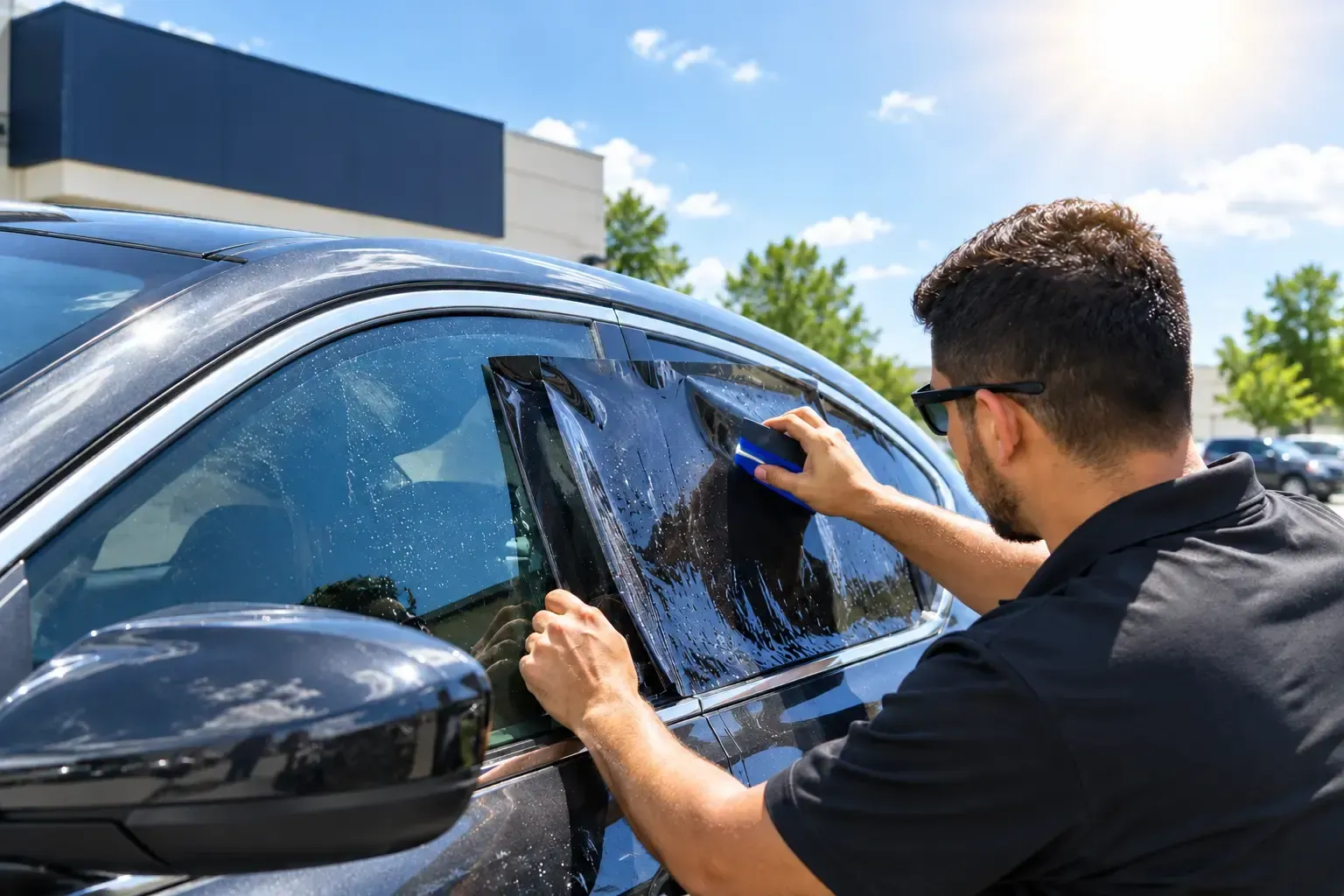
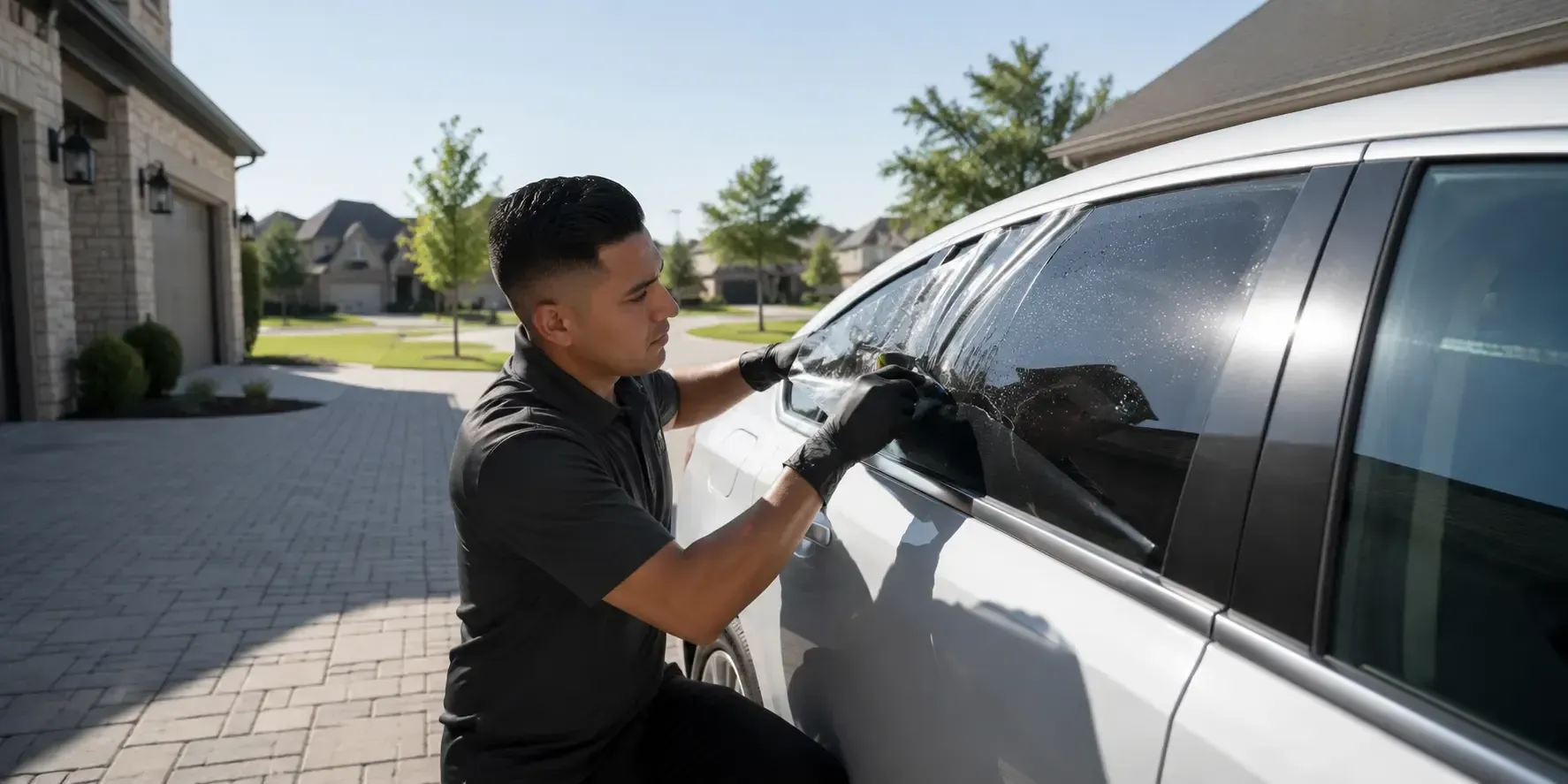
Tint Integrity is ready to assess your property. We don't just slap film on glass; we analyze your exposure, your glass type, and your goals to engineer a solution.
Frequently Asked Questions
Does window tinting work in cold weather?
Absolutely. Professional installers use specific techniques to ensure the film cures properly even in cooler temperatures. In fact, curing can sometimes be more even in mild California winters compared to the scorching heat of summer.
Will tinting my windows make my office too dark in winter?
No. Modern commercial films are designed to be spectrally selective. We can block heat and glare while allowing ample natural light to enter. You get the view without the squinting.
How long does commercial window tinting take to install?
It depends on the square footage. A small storefront in Cudahy can be done in a few hours. A larger office complex might take 2-3 days. However, there is minimal disruption to your daily operations compared to other renovations.
Is window film tax deductible for businesses?
Often, yes. Because window film is an energy-efficiency improvement, it may qualify for tax credits or accelerated depreciation under Section 179. Consult your tax professional, but the Department of Energy frequently highlights envelope improvements as tax-advantaged upgrades.
What is the lifespan of commercial window tint?
High-quality commercial films installed by professionals like Tint Integrity typically last 15 to 20 years. They come with manufacturer warranties that cover bubbling, peeling, and color change.