-1920w.webp)
-1920w.webp)
Beyond Glass: Why Inglewood Institutions Are Turning to Advanced Architectural Window Tinting for Safety and Savings
Inglewood is a city of movement. From the thunderous roar of fans at SoFi Stadium to the steady hum of commerce along Manchester Boulevard, the pace never slows down. But for the administrators of schools, hospitals, and municipal offices, the real action happens within the walls. These buildings are the backbone of our community. Yet, they face a silent, persistent enemy: the Southern California sun. It beats down on glass facades, turning classrooms into ovens and offices into high-cost energy drains. It’s not just a comfort issue. It’s a fiscal and safety crisis. That is where high-grade architectural window tinting comes into play.
Most people think of window film as something for cars or maybe a trendy boutique. They’re wrong. For large-scale institutional buildings, it is a strategic necessity. We aren't talking about the bubbly purple film you saw on a beat-up sedan in the 90s. We are talking about advanced, multi-layered ceramic and security films that fundamentally change how a building breathes and protects its occupants. At Our Homepage, we see the transformation every day. A single installation can drop interior temperatures by double digits, slash utility bills, and provide a literal shield against intruders. If you are managing a facility in Inglewood, you need to understand that your windows are your greatest liability—or your greatest asset.
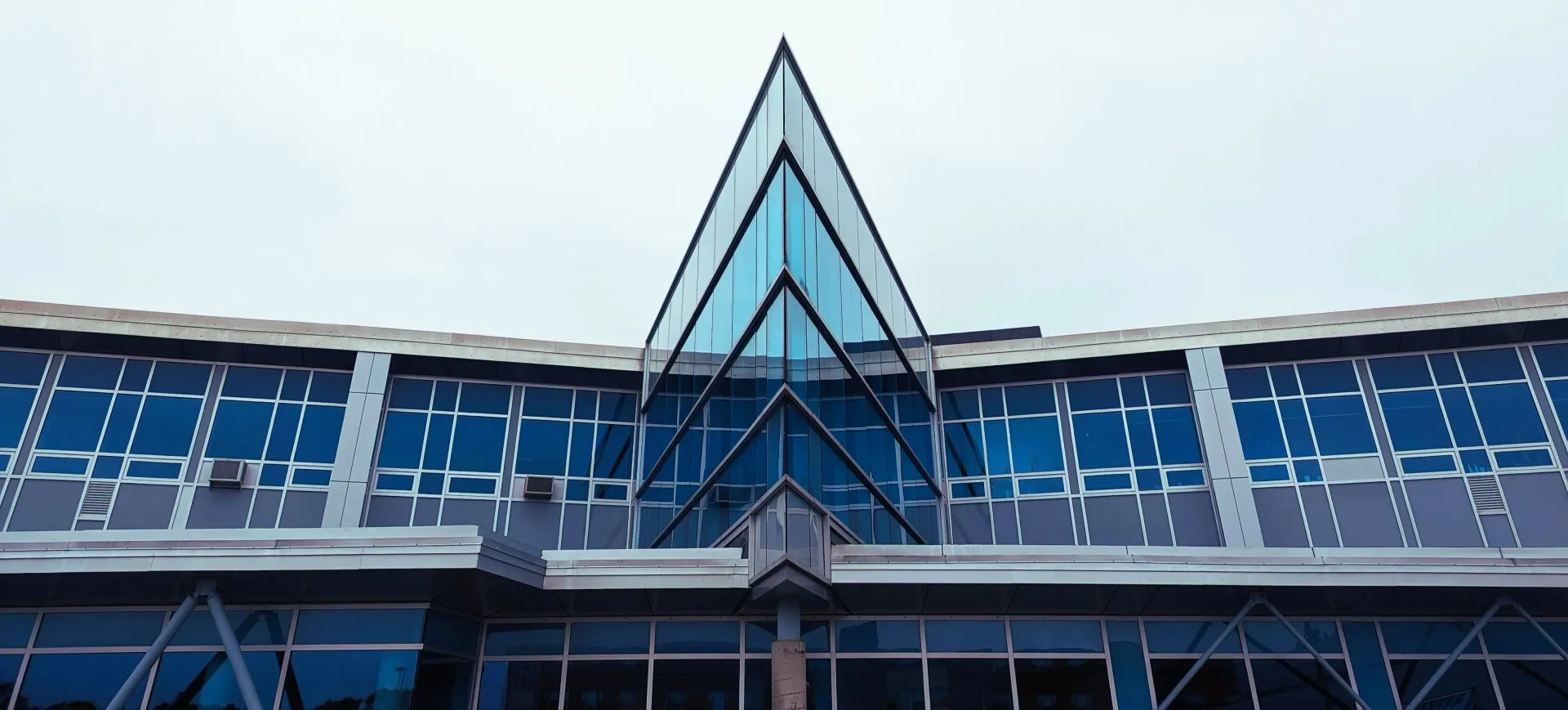
The Physics of Heat: Why Inglewood Buildings Are Overheating
Heat doesn't just "get in." It’s a relentless transfer of energy. In a city like Inglewood, where the coastal breeze often loses its battle against inland heat, institutional buildings with large glass surface areas become heat sinks. Standard glass is a terrible insulator. It allows short-wave infrared radiation to pass through effortlessly. Once inside, this energy hits the floor, the desks, and the people. It converts to long-wave heat. This heat is trapped. This is the greenhouse effect in its most literal, uncomfortable form.
Traditional solutions are failures. Blinds? They just absorb the heat and radiate it back into the room. Cranking the AC? That is a financial black hole. The modern solution is Our Main Services which include spectrally selective films. These films use nanotechnology to identify different parts of the light spectrum. They allow visible light to pass through so you don't lose your view, but they reject up to 97% of the infrared heat. It’s physics, not magic. By stopping the heat at the glass, the HVAC system finally gets a break. It stops cycling 24/7. It lasts longer. You save money. It's that simple.
Safety First: Strengthening the Weakest Link
Let’s talk about the elephant in the room: security. In any institutional setting—be it a school or a government office—glass is the most vulnerable point of entry. It takes a split second to shatter a standard pane. For an administrator, that is a nightmare scenario. Whether it's a forced entry attempt, a stray ball from a nearby park, or even the rare but real threat of seismic activity in the Los Angeles basin, un-tinted glass is a hazard. When it breaks, it creates shards. Those shards become projectiles.
Security window film changes the equation. These are thick, heavy-duty polyester films bonded with aggressive adhesives. When the glass breaks, the film holds the pieces together. It creates a "spider-web" effect. The glass stays in the frame. For a school, this means precious minutes added to a lockdown response. For a retail or government building, it means a smash-and-grab thief is met with a stubborn barrier they didn't expect. They usually give up. They move on. Your windows become a deterrent. As a About Us, we emphasize that security isn't just about cameras and locks; it’s about hardening the perimeter.
The Threat of UV Radiation and Interior Decay
Heat and security are the big players, but UV rays are the silent killers. Institutional interiors represent millions of dollars in investment. Think about the flooring in a university library, the furniture in a hospital waiting room, or the artwork in a civic center. UV radiation is responsible for roughly 40% of all fading. It’s relentless. It bleaches wood, cracks leather, and degrades plastic. Architectural window tinting acts as a high-SPF sunscreen for the building. It blocks 99.9% of UV rays. You are protecting your assets. You are extending the life of your interior design. This isn't just maintenance; it’s preservation.
Energy Efficiency: The ROI That Makes Sense
Budgets are tight. Every dollar spent on electricity is a dollar taken away from education, healthcare, or public services. In Inglewood, energy rates aren't going down. Many institutional buildings are older, featuring single-pane glass that offers virtually zero thermal resistance. Retrofitting these buildings with new, high-efficiency windows is often cost-prohibitive. It’s messy. It takes weeks. It disrupts operations.
Window film is different. It’s a "retrofit" in the truest sense. We apply it to the existing glass. There is no construction debris. There is no downtime. The return on investment (ROI) for architectural window tinting is one of the fastest in the building industry—often between two to five years. After that, the energy savings are pure profit for the institution's bottom line. When you consider the "local window tinting expert" factor, you’re getting a team that understands the specific sun-path and peak load times of our region. We don't guess. We calculate.
Creating a Productive Environment
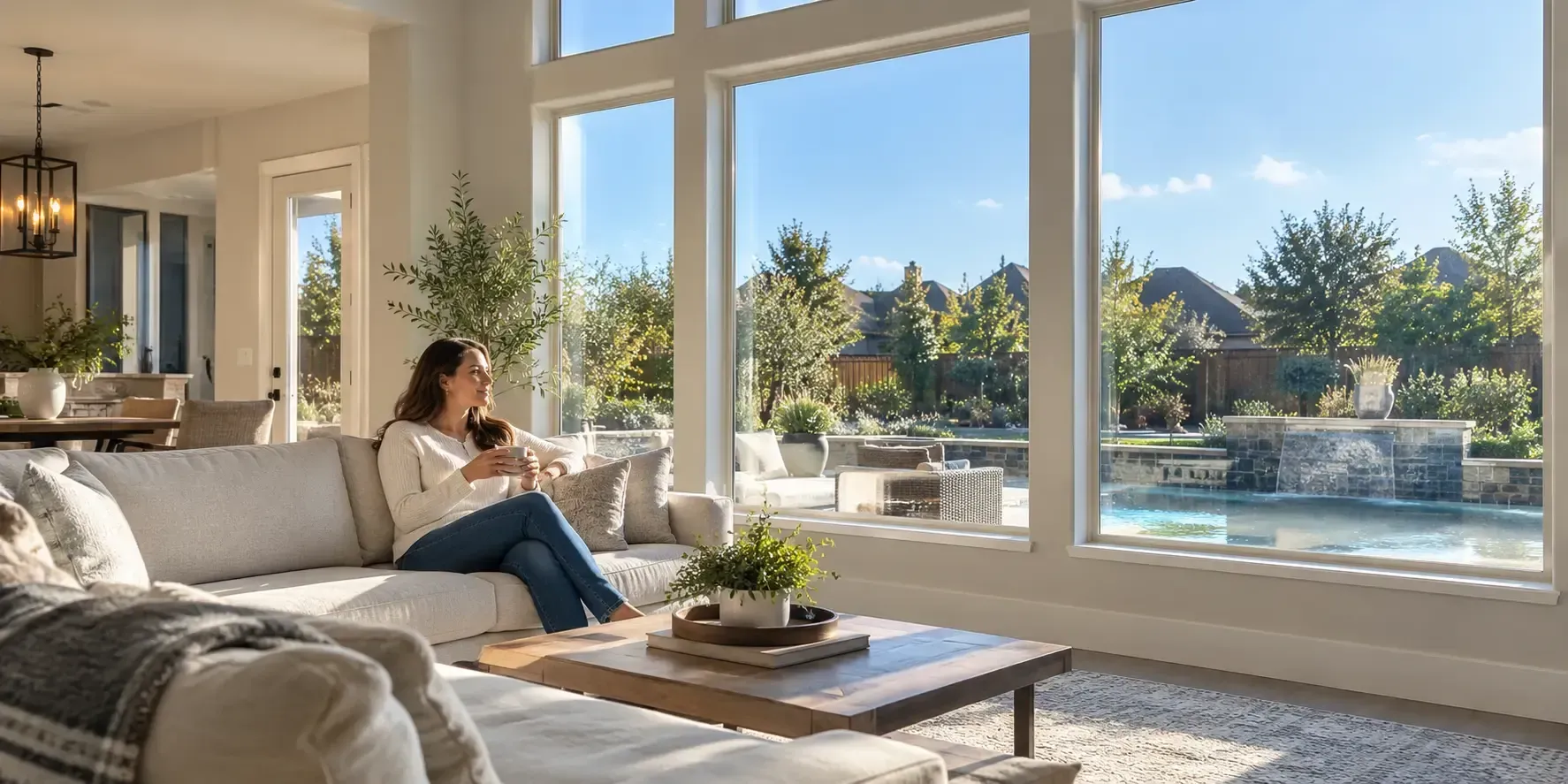
Have you ever tried to work on a computer with a massive glare reflecting off the screen? It’s impossible. It causes eye strain. It leads to headaches. It kills productivity. In a classroom, glare means students can't see the smartboard. In a hospital, it means nurses are squinting at monitors. Window tinting manages visible light. It reduces glare by up to 80% without making the room feel like a dungeon. You get soft, balanced, natural light. It’s a better way to work. It’s a better way to learn.
Furthermore, privacy is a major concern for many institutions. Think about a mental health clinic or a sensitive government department. You want the light, but you don't want the "fishbowl" effect. One-way privacy films allow occupants to see out clearly while preventing passersby from seeing in. It creates a sense of security and professional decorum that bare glass simply cannot provide. This is why our window tinting services are in such high demand across the South Bay.
The Local Inglewood Advantage
Why choose a local window tinting expert? Because we live here. We know the difference between the morning fog coming off the Pacific and the blistering afternoon heat that hits the East side of town. We understand the specific building codes and permit requirements of the City of Inglewood. When a national chain sends a contractor, they see a zip code. When we walk into a building, we see our neighbors. We see the schools our kids might attend. We see the clinics where our families go. That local knowledge translates into a more precise installation and a deeper commitment to quality.
Our team at Tint Integrity doesn't just sell film; we solve problems. We look at the orientation of the building. We analyze the type of glass. We look at the shading from nearby structures like the Intuit Dome or the Forum. Every building is a unique puzzle. A generic approach won't cut it. You need a solution tailored to the specific micro-climate of Inglewood. That is what we provide.
The Installation Process: What to Expect
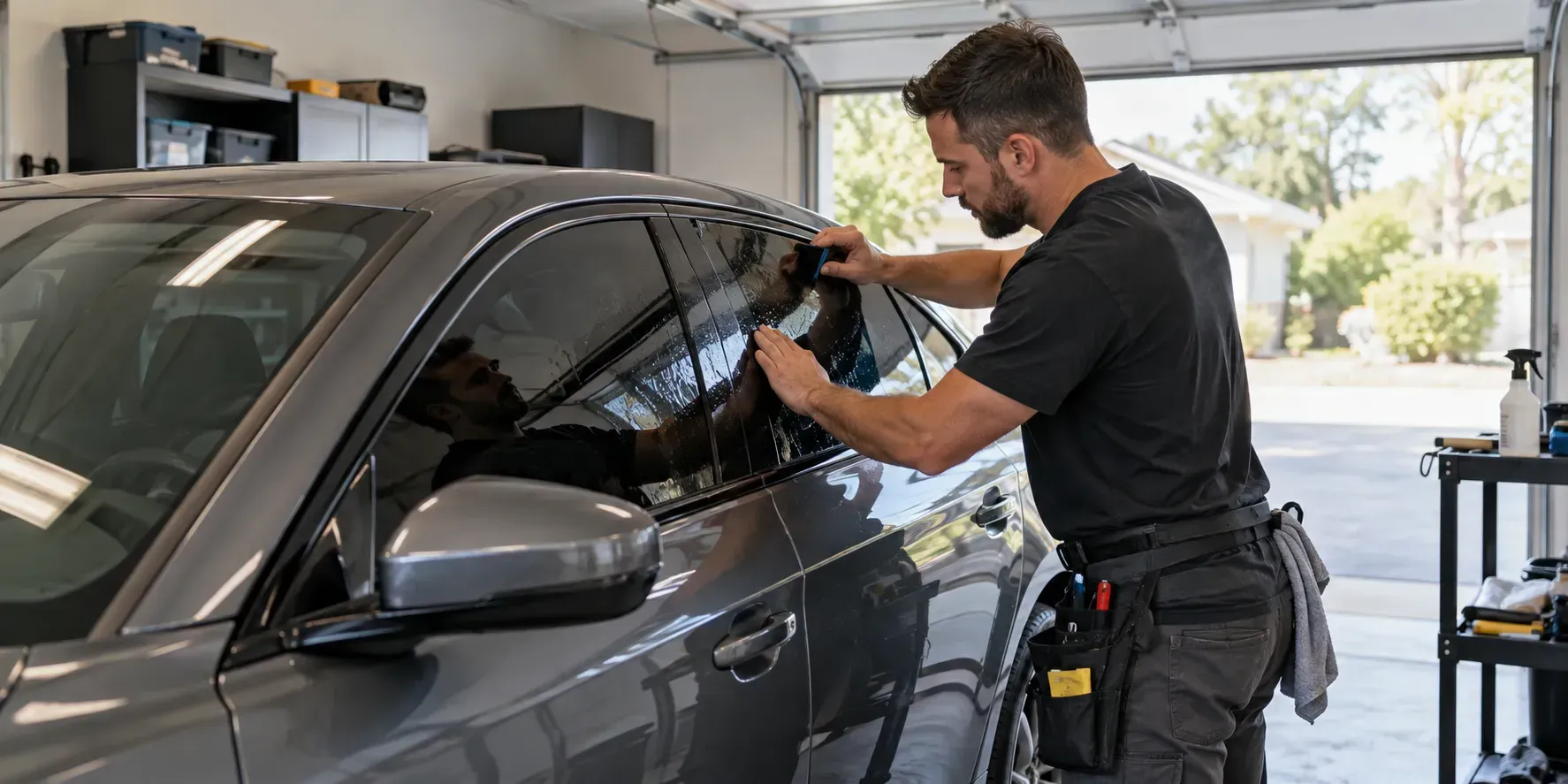
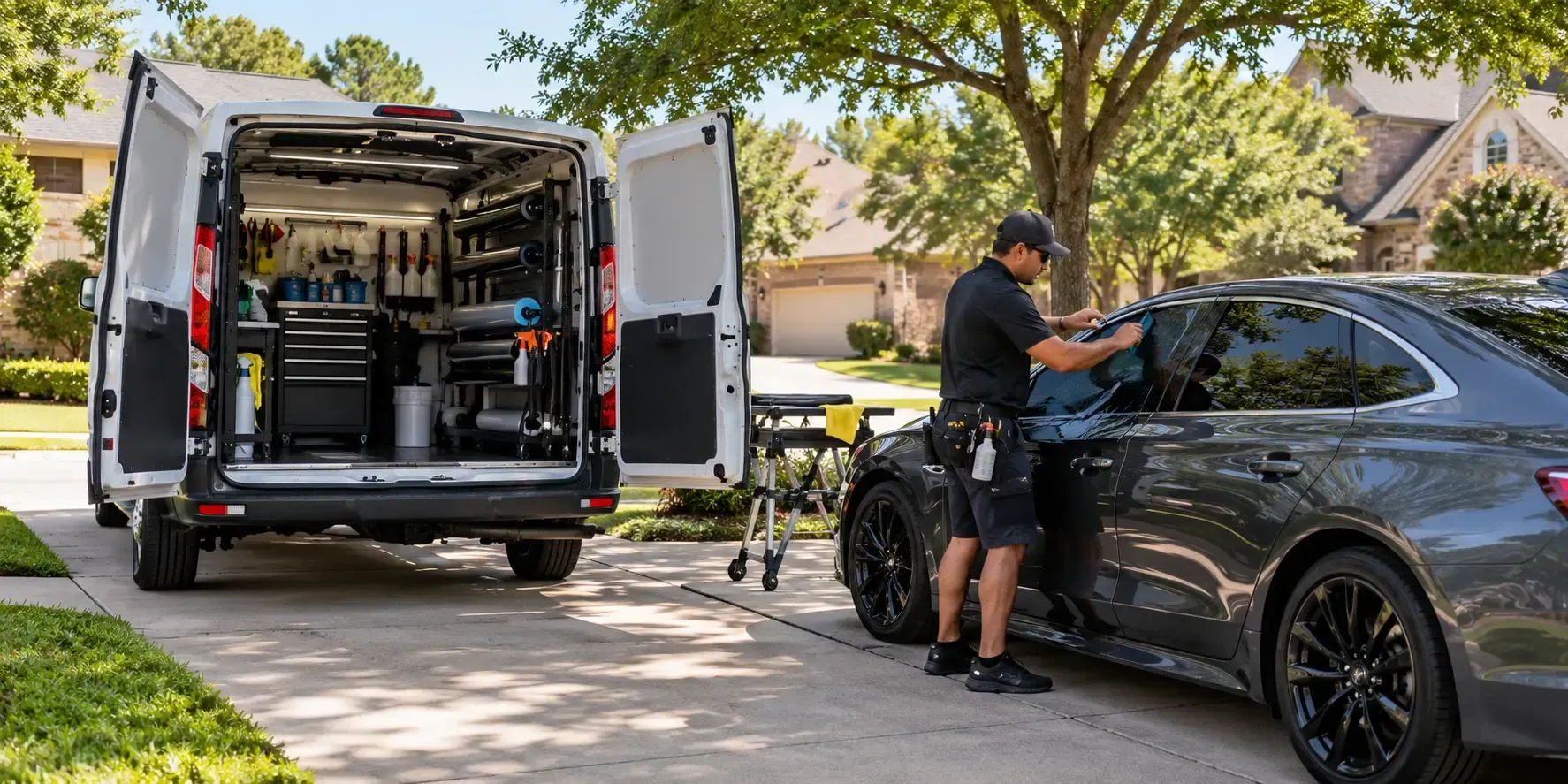
Administrators often worry that a major upgrade will be a headache. It’s not. Our process is streamlined. It starts with a site walk-through. We measure. We test the glass for tempering and thickness. We provide a detailed proposal that outlines the expected energy savings and safety benefits. Once the project starts, our technicians work around your schedule. We can work weekends, nights, or during school breaks. We use drop cloths. We leave the space cleaner than we found it. Most institutional projects are completed in a matter of days, not weeks. The impact is immediate. The moment the film hits the glass, the temperature starts to drop.
Comparing Film Types: Finding the Right Fit
Not all films are created equal. You have choices, and making the right one depends on your primary goal.
- Dual-Reflective Films: These are great for high-heat areas. They have a reflective outer layer to bounce away the sun, but a neutral inner layer so you can still see out at night.
- Ceramic Films: The gold standard for heat rejection without the "shiny" look. They are virtually invisible but pack a massive punch in IR rejection.
- Safety and Security Films: Available in various thicknesses (usually 4mil to 14mil). These are often paired with "attachment systems" that anchor the film to the window frame for maximum impact resistance.
- Anti-Graffiti Films: A must for public-facing institutional buildings. If someone tags the window with spray paint or scratches it with a key, you just peel off the film and replace it. The expensive glass underneath remains pristine.
Sustainability and the "Green" Building Movement
Inglewood is moving toward a greener future. New regulations are pushing for lower carbon footprints. Window film is one of the easiest ways to move toward LEED certification. By reducing the load on your HVAC, you are burning less energy. You are reducing your building's carbon emissions. It’s an environmental win that also happens to be a financial win. It’s rare in the construction world to find a product that pays for itself while helping the planet, but architectural window tinting does exactly that.
The Bottom Line for Inglewood Institutions
You can keep paying the high Edison bills. You can keep replacing faded furniture. You can keep worrying about the vulnerability of your glass. Or, you can take a proactive step toward a safer, more efficient facility. The sun isn't going anywhere. The heat isn't going to stop. But you can control how your building reacts to it. If you’re ready to see the difference that professional-grade film can make, it’s time to talk to the experts. We are here to help you protect your people and your budget. Reach out to us through our Contact Us page today for a consultation. Let’s make your building the best it can be.
Inglewood is growing. Our buildings need to grow with it. Don't let your glass be the weak link in your infrastructure. Invest in the technology that works for you, day in and day out, without ever needing a break. That is the power of architectural window tinting.
Frequently Asked Questions
How much can institutional window tinting save on energy costs?
Most institutional buildings in Southern California see a reduction in cooling costs of 15% to 30%. The exact savings depend on the building's orientation, the type of existing glass, and the specific film selected. In many cases, the energy savings alone pay for the installation within three years.
Is window film effective against forced entry or break-ins?
Yes. Security window film is designed to hold glass shards together upon impact. While it doesn't make glass "unbreakable," it significantly increases the time and effort required to gain entry. This delay often causes intruders to flee and provides critical time for emergency services to arrive on the scene.
Does architectural window tinting make the interior too dark?
Not at all. Modern films are highly customizable. You can choose "spectrally selective" films that are virtually clear but still block the majority of heat. These films allow high levels of natural light while eliminating glare and UV rays, creating a bright but comfortable environment.
How long does professional window film last on a large building?
When installed by a local window tinting expert like Tint Integrity, high-quality architectural films typically last 15 to 20 years. Most commercial-grade films come with a comprehensive manufacturer's warranty that covers bubbling, peeling, and delamination, ensuring long-term performance and peace of mind.
Can window film be installed on any type of glass?
Most modern glass types—including tempered, dual-pane, and Low-E glass—can be tinted. However, it is essential to have a professional assessment first. Our team checks for potential thermal stress risks to ensure the chosen film is compatible with your specific window units to prevent glass breakage.