-1920w.webp)
-1920w.webp)

The Invisible Shield: Why Quality Window Tinting is the Ultimate Property and Vehicle Investment
Glass is a vulnerability. Whether it’s the windshield of your daily driver, the floor-to-ceiling windows of your living room, or the expansive glass facade of a corporate office, glass is the weakest point in any structure’s thermal and security envelope. It lets in heat. It leaks cooled air. It exposes your privacy to every passerby. Most people view window film as a cosmetic luxury—a way to make a car look "cool" or a building look "modern." They’re wrong. High-performance window film is a functional necessity that pays for itself in energy savings, health protection, and asset preservation.
Choosing a professional Window Tinting Service isn't just about darkening a pane of glass. It is about controlling the environment you inhabit. At Tint Integrity, we don't just "stick plastic on windows." We apply advanced solar control technology designed to mitigate the harsh realities of the sun. If you want to understand the true value of this investment, you have to look past the surface. You have to look at the science of the spectrum.
The Evolution of Automotive Window Tinting: Beyond the "Dark" Look
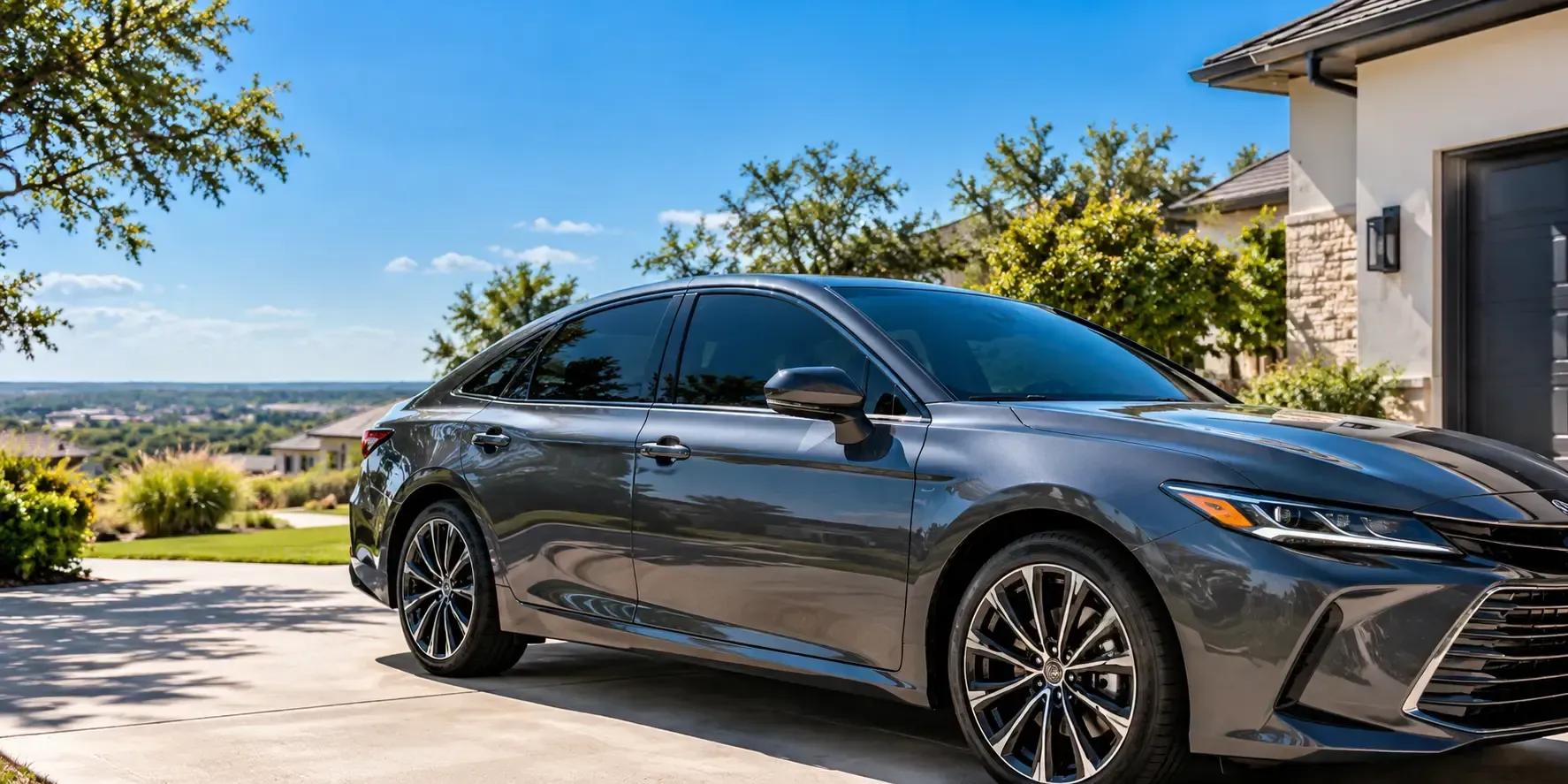
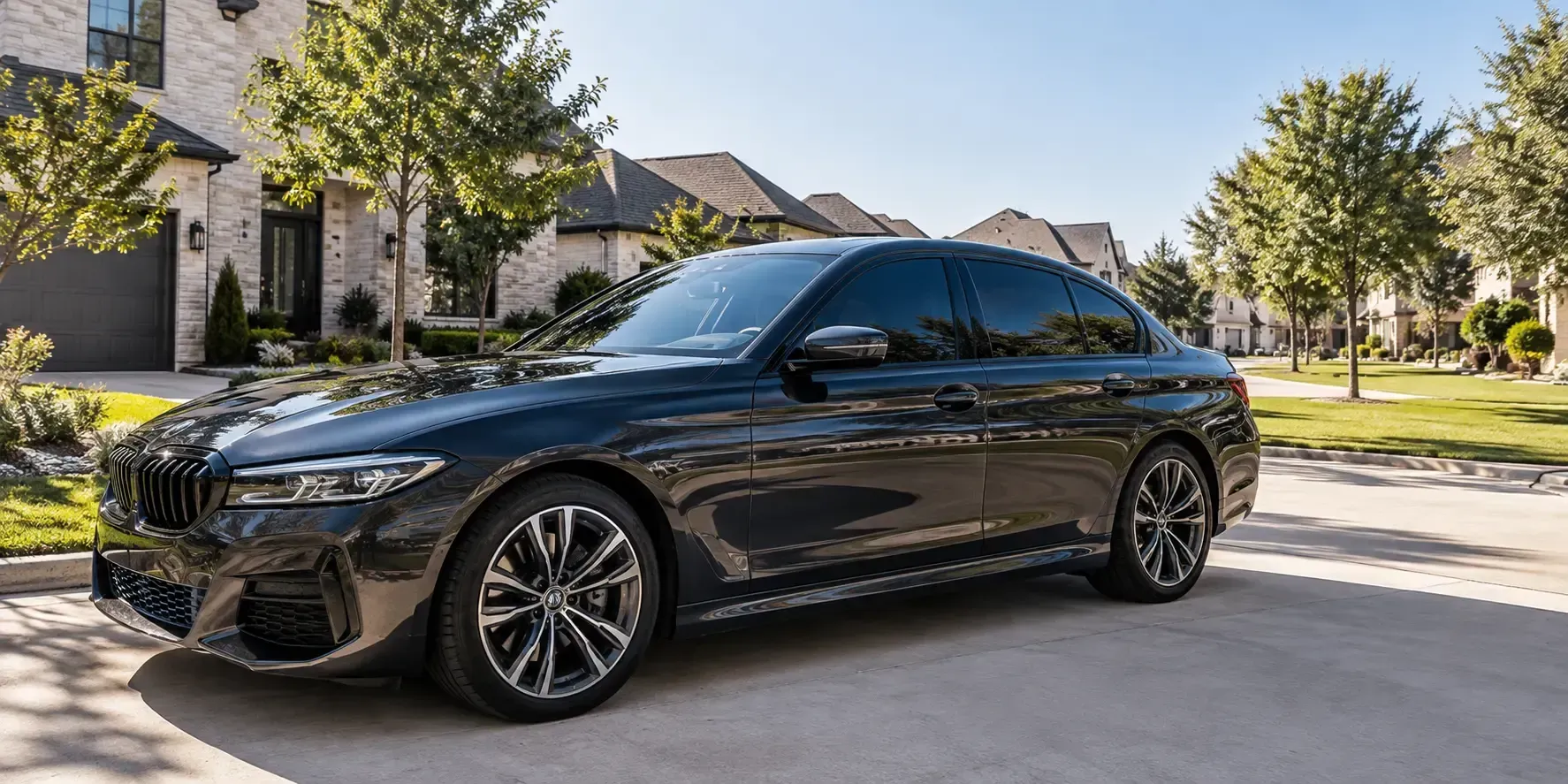
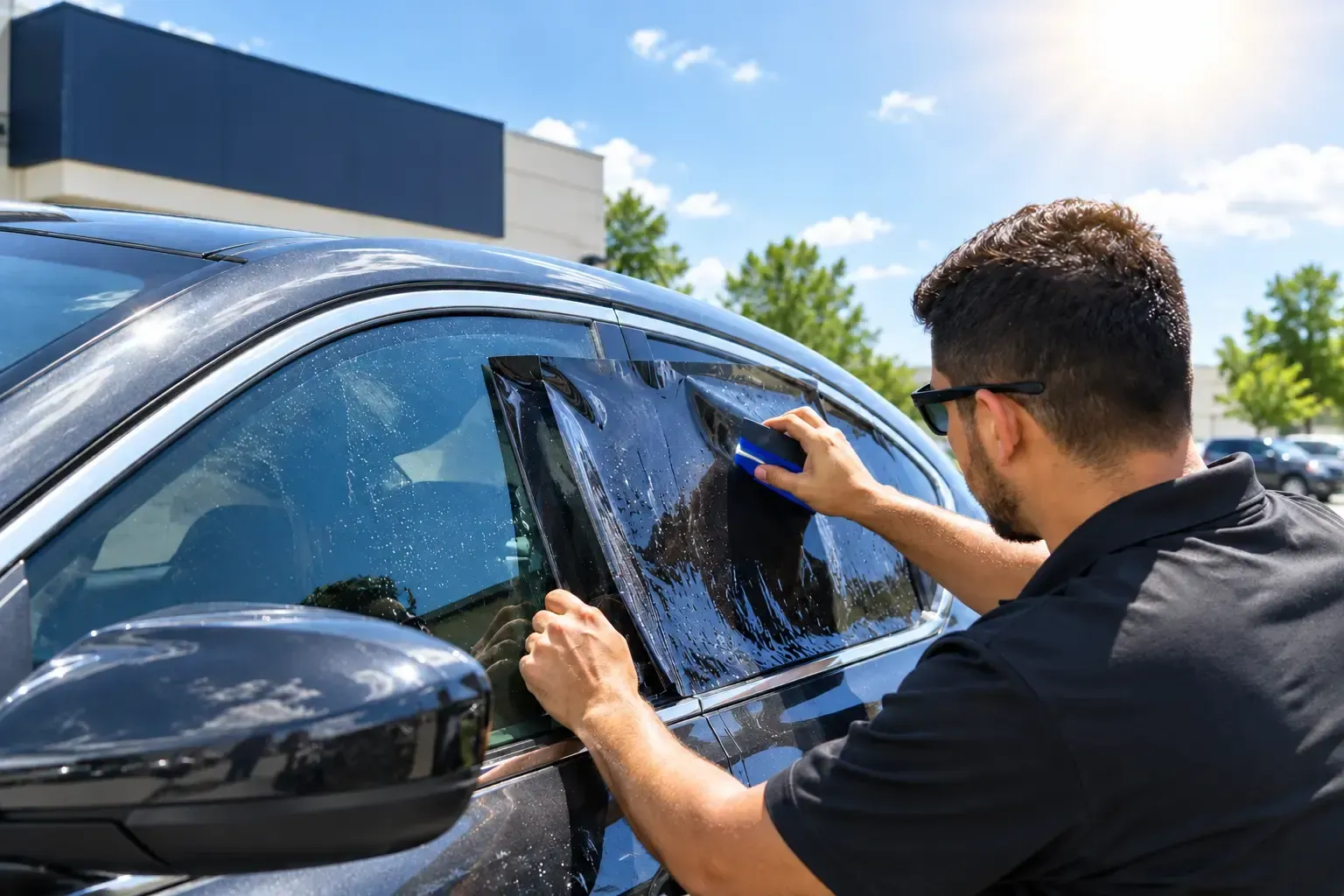
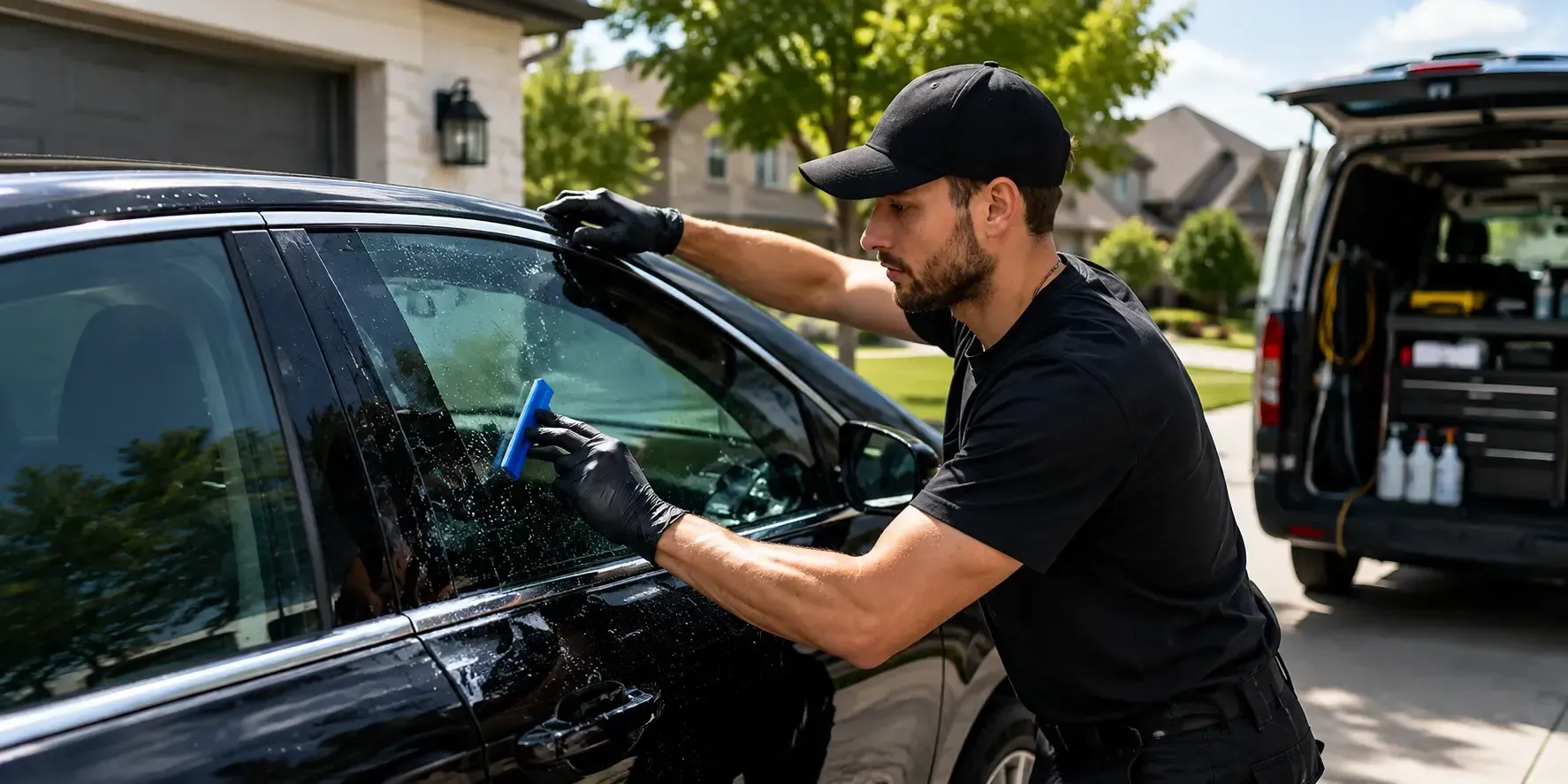
Automotive enthusiasts used to care about one thing: the "limo look." The darker, the better. But the industry has moved far beyond the days of cheap, purple-dyed films that bubble after two summers. Modern Automotive Window Tinting is an exercise in nanotechnology. Today, you can achieve massive heat rejection with a film that is almost entirely clear. This is a game-changer for drivers who want protection without sacrificing night-time visibility or attracting unwanted attention from law enforcement.
Why does it matter? Ultraviolet (UV) radiation. The sun emits UVA and UVB rays. While your car’s windshield is usually treated to block some UV, the side and rear windows are often standard tempered glass. This glass allows UVA rays to penetrate deep into your skin, contributing to premature aging and, more seriously, skin cancer. In fact, many dermatologists now recommend professional tinting for anyone with a long commute. When you browse Our Homepage, you’ll see that we prioritize films that offer a 99% UV rejection rate. It’s health insurance for your skin.
Then there is Infrared Radiation (IR). This is the heat you actually feel burning your arm on a July afternoon. Standard dyed films just soak up this heat and eventually radiate it into the cabin. Ceramic and carbon-based films, however, reflect and absorb IR at the molecular level. This means your air conditioning doesn't have to work nearly as hard. You save fuel. You save wear and tear on your compressor. Most importantly, you stay comfortable from the moment you sit down. You can see the full breakdown of these high-performance options on Our Main Services page.
Architectural Window Tinting: The Residential Energy Revolution
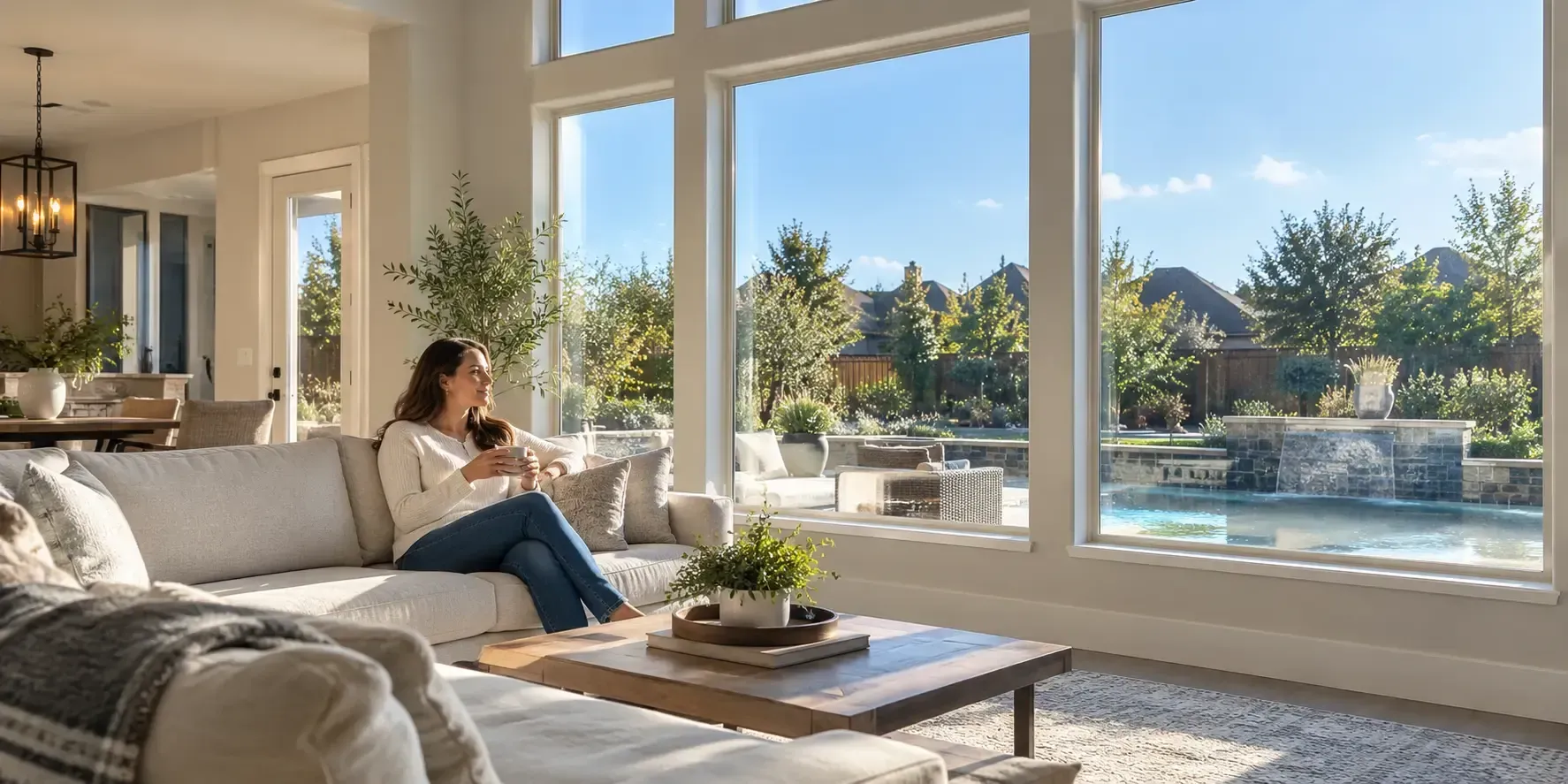
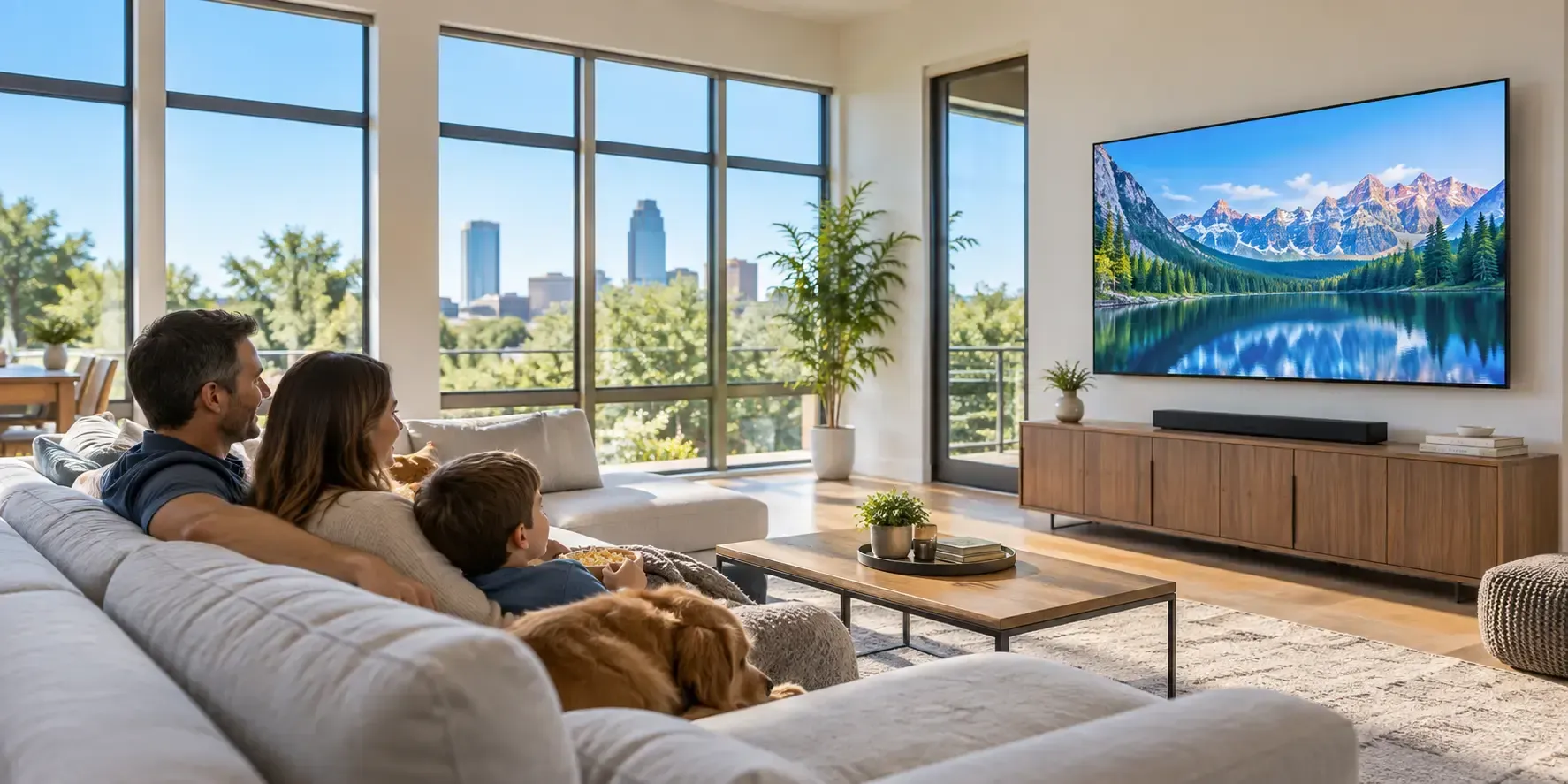
Your home is likely your largest asset. Why let the sun destroy it? Most homeowners don't realize that the "hot spots" in their living room or the fading of their hardwood floors are entirely preventable. Residential Architectural Window Tinting acts as a thermal barrier that works year-round. In the summer, it reflects solar heat outward. In the winter, some specialty low-E films can actually help retain interior heat. It is a dual-threat solution for rising utility costs.
Let’s talk about "The Fade Factor." UV rays, visible light, and solar heat are the three primary causes of fading in furniture, rugs, and artwork. If you have a room with a view, you’re likely paying for it by watching your expensive decor lose its vibrancy. You shouldn't have to live in a cave with the curtains drawn just to save your sofa. High-clarity architectural films allow you to keep the view while neutralizing the damage. It is about balance. It is about enjoying your space without compromise.
Privacy is the other side of the coin. In suburban environments, houses are being built closer together than ever before. You want natural light, but you don't want the neighbors seeing your evening routine. Reflective or dual-reflective films provide a "one-way" mirror effect during the day. You see out; they see a sleek, uniform exterior. It adds a layer of psychological comfort that curtains simply can't match. If you want to know more about our commitment to residential excellence, you can read more About Us and our history of precision installs.
Commercial Applications: ROI and Corporate Responsibility
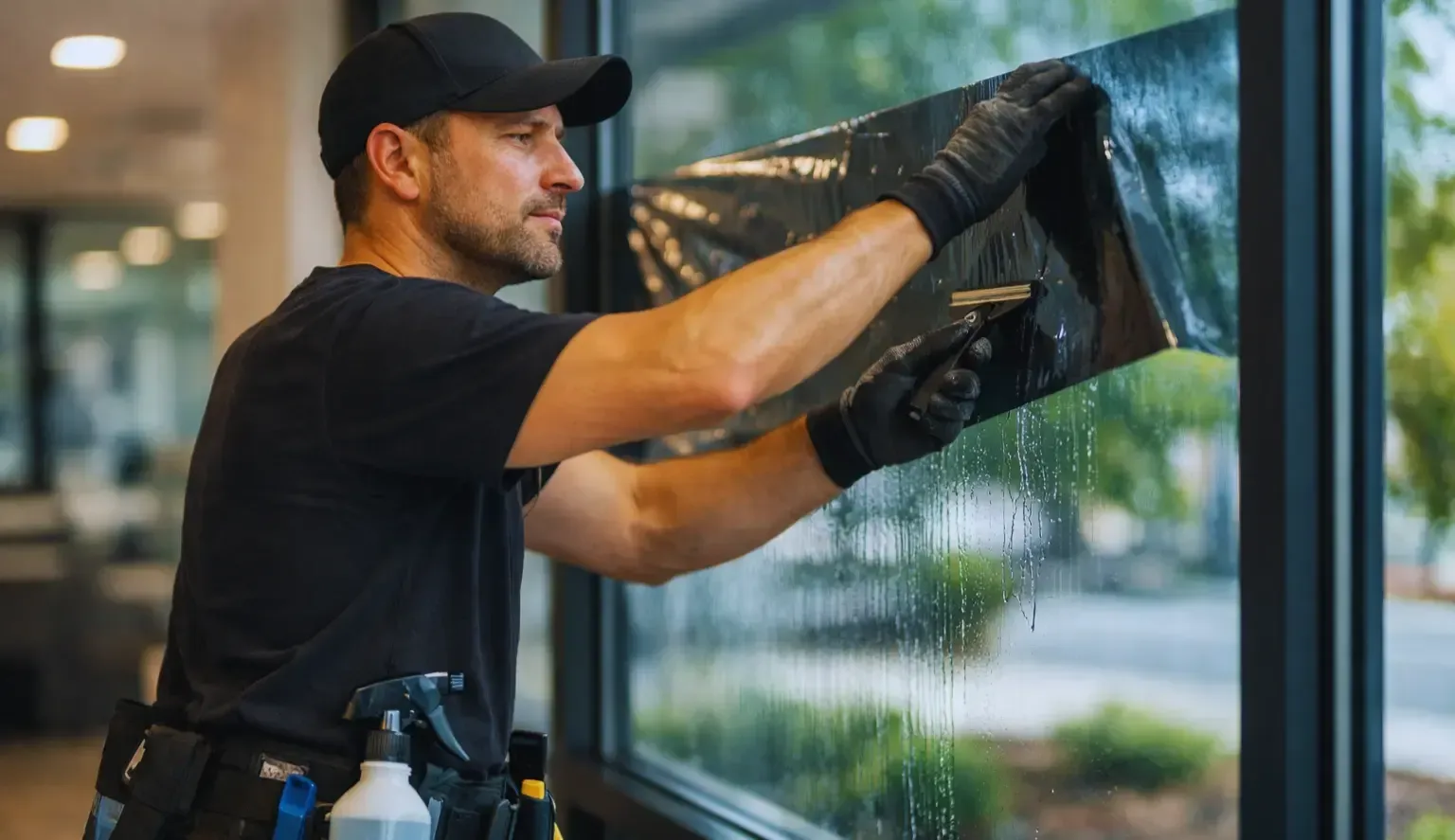
For business owners and facility managers, the conversation shifts from comfort to the bottom line. Large-scale Architectural Window Tinting is one of the most cost-effective retrofits available for commercial properties. Think about the cooling load of a ten-story office building with a glass curtain wall. The energy expenditure is astronomical. By reducing the solar heat gain coefficient (SHGC) of the glass, a company can see a return on investment (ROI) in as little as three to five years through energy savings alone.
But the benefits aren't just financial; they are human. Employee productivity drops significantly in uncomfortable environments. Glare on computer screens causes eye strain, headaches, and irritability. By installing professional-grade window film, you create a stabilized environment. No more "thermostat wars" between the person sitting by the window and the person in the interior cubicle. It levels the playing field. It makes the workspace viable.
Security is the final pillar of commercial tinting. Safety and Security films are thicker than standard solar films. They are designed to hold glass shards together in the event of an impact—whether from a break-in attempt, a storm, or an accidental collision. In a world where "smash and grab" crimes are on the rise, this invisible layer of protection can be the difference between a minor inconvenience and a total loss of inventory. Ready to secure your building? You should Contact Us for a site evaluation and a custom quote.
The Science of Film: Why "Cheap" is Expensive
The market is flooded with DIY kits and "budget" shops. Avoid them like the plague. Cheap film is made of multi-layered polyester with unstable dyes. Under the sun’s constant bombardment, these dyes break down. They turn purple. They delayer. The adhesive fails, leading to that hideous bubbling effect you see on old beaters in the parking lot. When that happens, the cost to remove and replace the film is double what a quality job would have cost initially. It's a classic case of "buy cheap, buy twice."
Professional-grade films use sputter-coating or nano-ceramic technology. Sputtering involves embedding exotic metals like silver or titanium into the film at an atomic level. Nano-ceramics use non-conductive, non-metallic particles that are small enough to let light through but large enough to block massive amounts of heat. These materials don't fade. They don't interfere with your car's electronics, GPS, or cell signals. They are engineered to last the lifetime of the vehicle or the building. That is the standard we uphold at Tint Integrity.
Understanding VLT and Legal Compliance
Visible Light Transmission (VLT) is the percentage of light that passes through the film. A 5% VLT is very dark (limo tint), while a 70% VLT is nearly clear. Every state and region has specific laws regarding how dark you can tint your vehicle’s windows. Some allow for darker rear windows but require lighter films on the front driver and passenger sides. Navigating these regulations is part of the service we provide. We ensure your vehicle looks great while staying on the right side of the law. For residential and commercial glass, VLT is more about aesthetic preference and light control than legal restriction, allowing for much more creative freedom.
Installation: The Hidden Variable
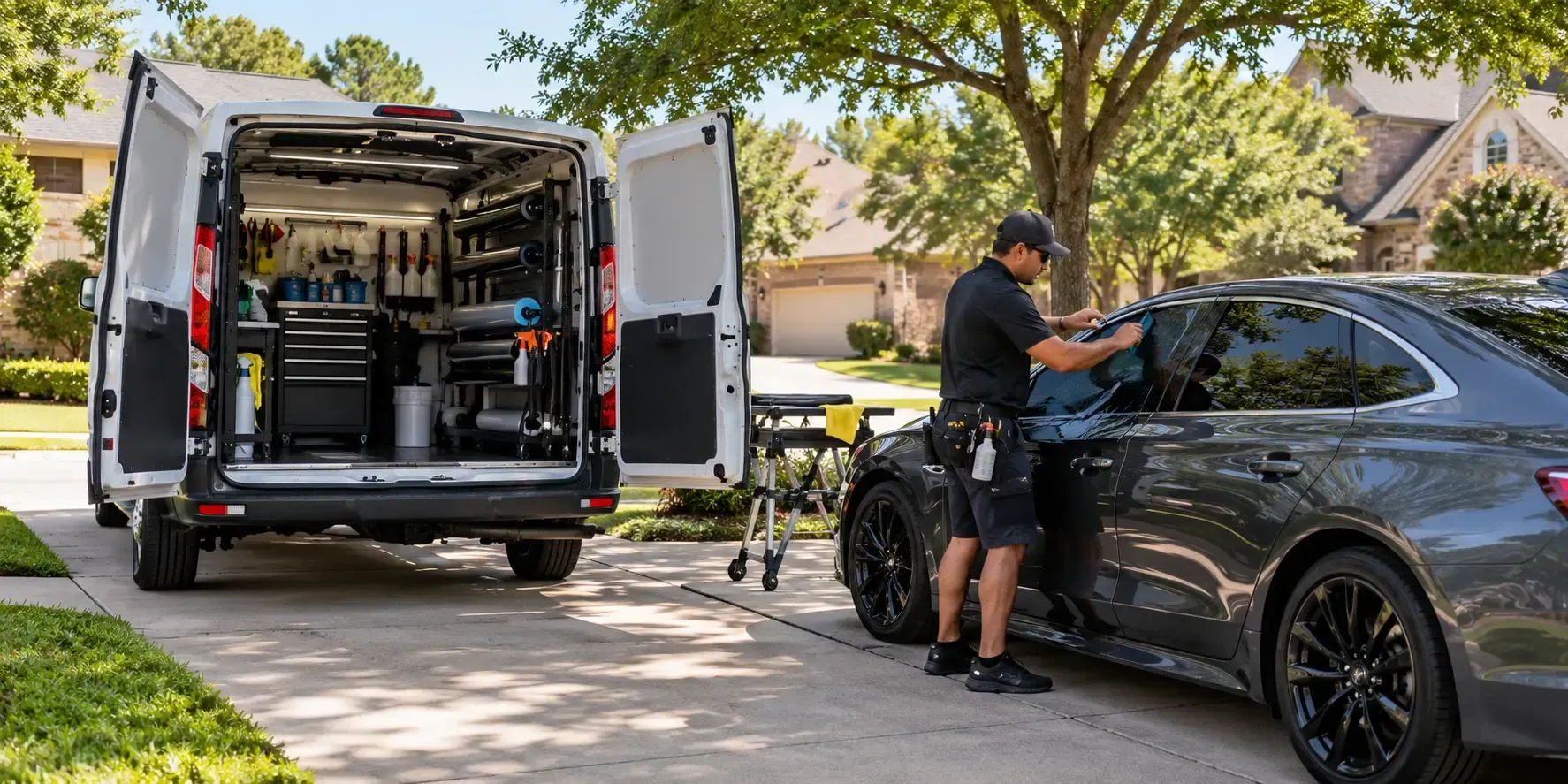
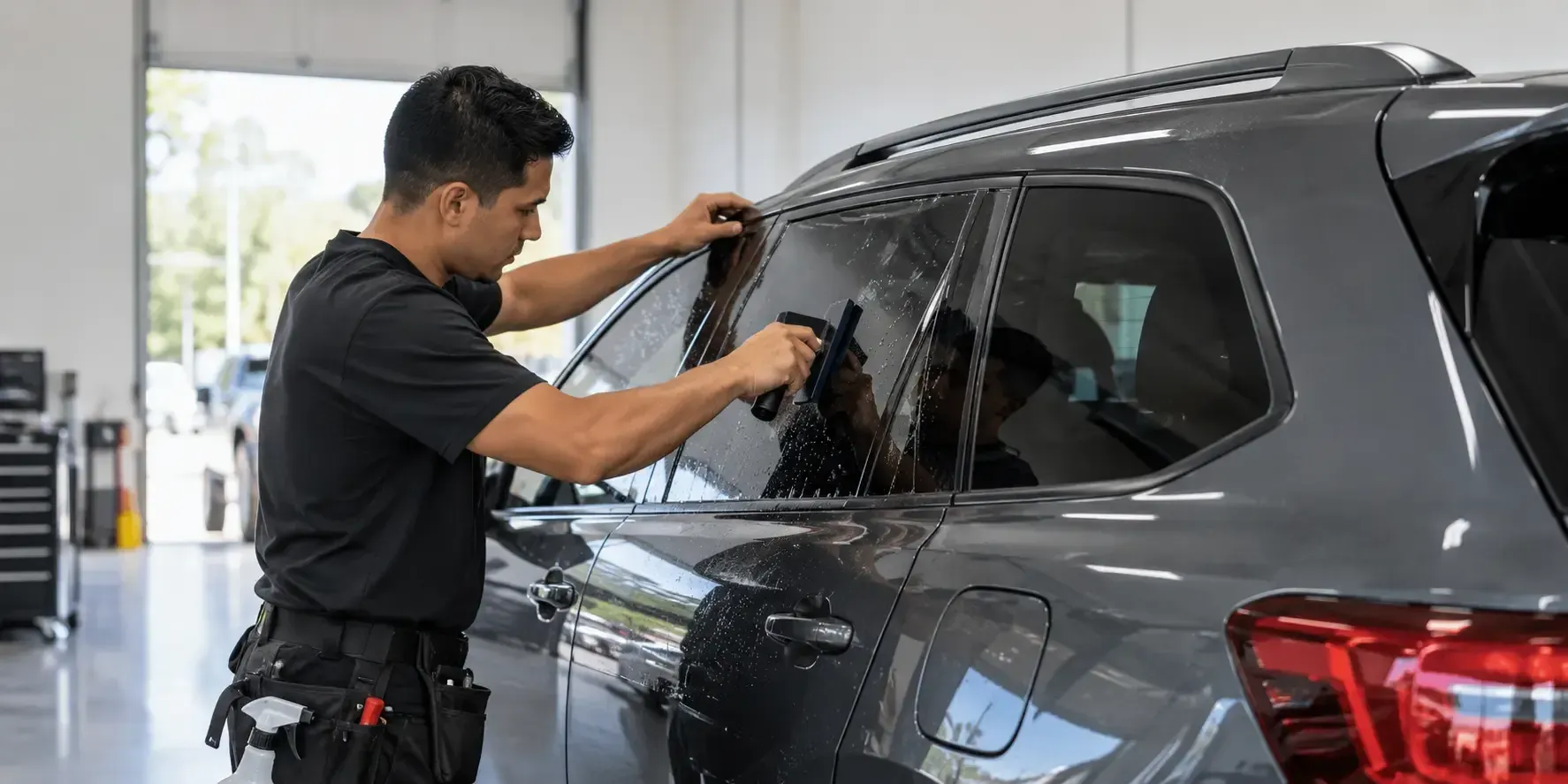
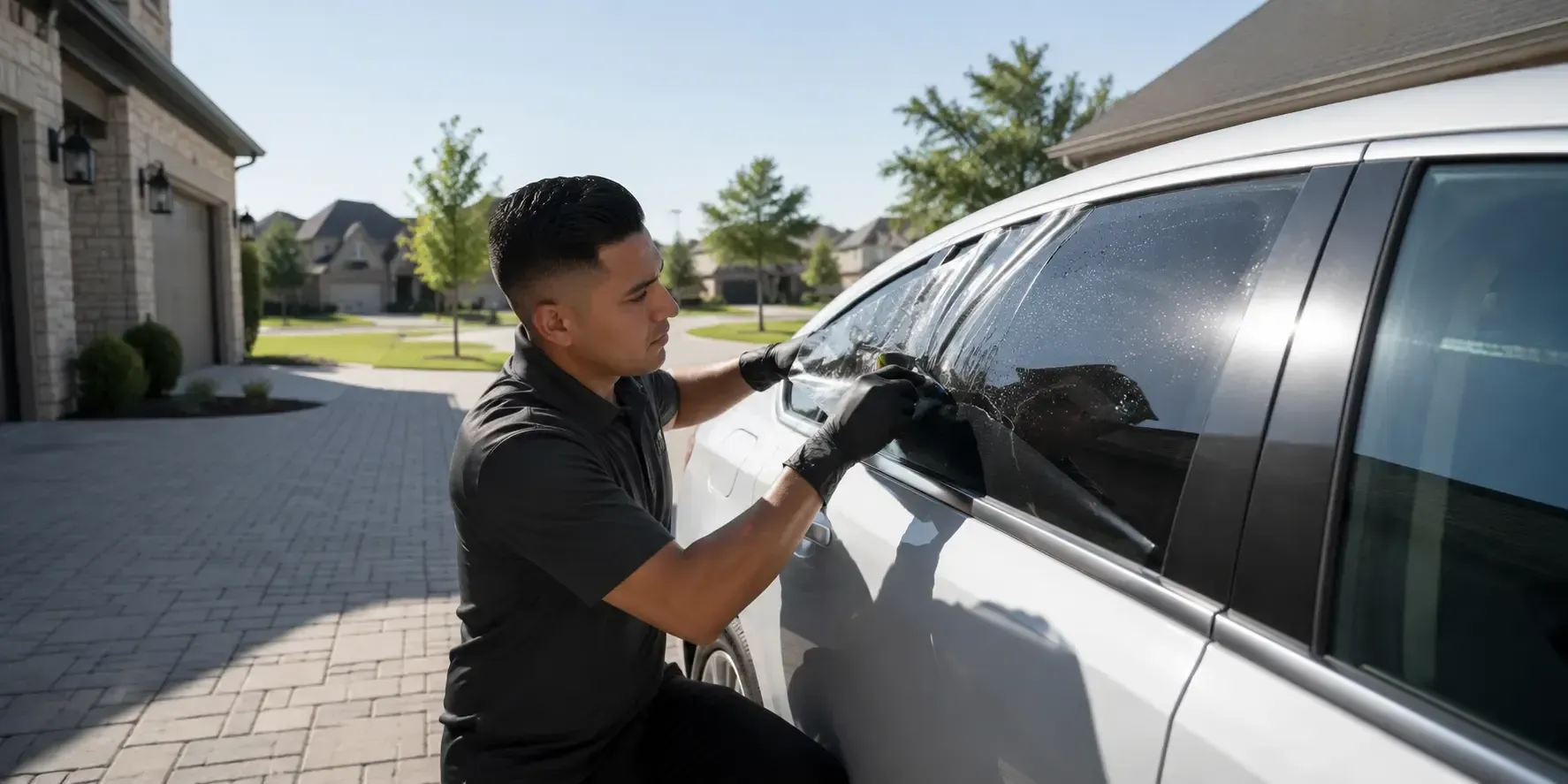
You can buy the best film in the world, but if the installation is sloppy, the result will be a disaster. Dust is the enemy. A single speck of lint under the film creates a "white light" or a bubble. Professional Window Tinting Service requires a controlled environment, surgical cleanliness, and years of haptic skill. It involves "heat shrinking" the film to the complex curves of a rear windshield—a process that requires a heat gun and a steady hand to avoid melting the film or cracking the glass.
At Tint Integrity, we treat every window like a canvas. We use precision cutting technology to ensure edges are tight and gaps are non-existent. We don't take shortcuts. We don't rush the cure time. We understand that our reputation is stuck to your glass, and we take that responsibility seriously. Our technicians are trained in the latest "dry-shrunk" and "wet-install" techniques to ensure a factory-finish every single time.
Maintenance and Longevity
Once your tint is installed, the maintenance is remarkably simple, but there are rules. Never use ammonia-based cleaners (like standard Windex) on tinted windows. Ammonia can eat away at the hard coat of the film over time, making it cloudy. All you need is a soft microfiber cloth and some soapy water or an ammonia-free glass cleaner. That’s it. A high-quality installation, treated with a little bit of common sense, will look as good in ten years as it did on day one.
The durability of modern films is staggering. They are scratch-resistant, meaning they can handle the daily roll-up and roll-down of car windows without scuffing. For homes and offices, they provide a sacrificial layer. If someone scratches the window, you aren't replacing an expensive double-pane IGU (Insulated Glass Unit); you’re just replacing a piece of film. It’s a smart, protective barrier for your most vulnerable surfaces.
Final Thoughts: The Tint Integrity Advantage
The sun is a relentless force. It beats down on our cars, our homes, and our businesses every single day. You can either let it dictate your comfort and your energy bills, or you can take control. Choosing the right Window Tinting Service is about more than just shade; it’s about choosing a partner who understands the technical nuances of solar control. It’s about choosing "Tint Integrity."
We invite you to explore the possibilities. Whether you are looking to protect your new SUV, lower the cooling costs of your beach house, or secure a commercial high-rise, we have the technology and the expertise to make it happen. Don't settle for the "cheap guy" down the street. Invest in quality. Invest in performance. Invest in peace of mind.
Frequently Asked Questions
Does window tinting interfere with my car's electronics?
Not if you choose the right film. Traditional metalized films can reflect radio waves, potentially affecting GPS, cell signals, and TPMS. However, we primarily use high-performance Ceramic and Carbon films. These materials are non-conductive and non-metallic, ensuring your devices work perfectly while you enjoy maximum heat rejection.
How long does it take for window film to dry or "cure"?
The curing process depends on the weather and the film type, usually taking between 2 to 4 weeks. During this time, you may see small water bubbles or a slightly hazy appearance. This is completely normal as the moisture evaporates. Avoid rolling down your windows for at least 3-5 days after installation.
Can I tint windows that are already double-paned (IGUs)?
Yes, but you must use "safe for dual-pane" films. Standard automotive film on a residential double-pane window can cause excessive heat absorption, potentially leading to glass breakage or seal failure. We provide specific architectural films designed to manage thermal expansion safely for residential and commercial glass units.
Is ceramic window tint worth the extra cost?
Absolutely. Ceramic film offers the highest level of infrared heat rejection (up to 95%+) without requiring a dark shade. It provides superior clarity, doesn't fade over time, and offers the best longevity. If your goal is maximum comfort and interior protection, ceramic is the industry's gold standard.
Does window film provide privacy at night?
Most window films work based on light balance. During the day, it's brighter outside, so reflective films allow you to see out while others can't see in. However, at night, if your lights are on inside, the effect reverses. For 24/7 privacy, we recommend frosted or decorative films.