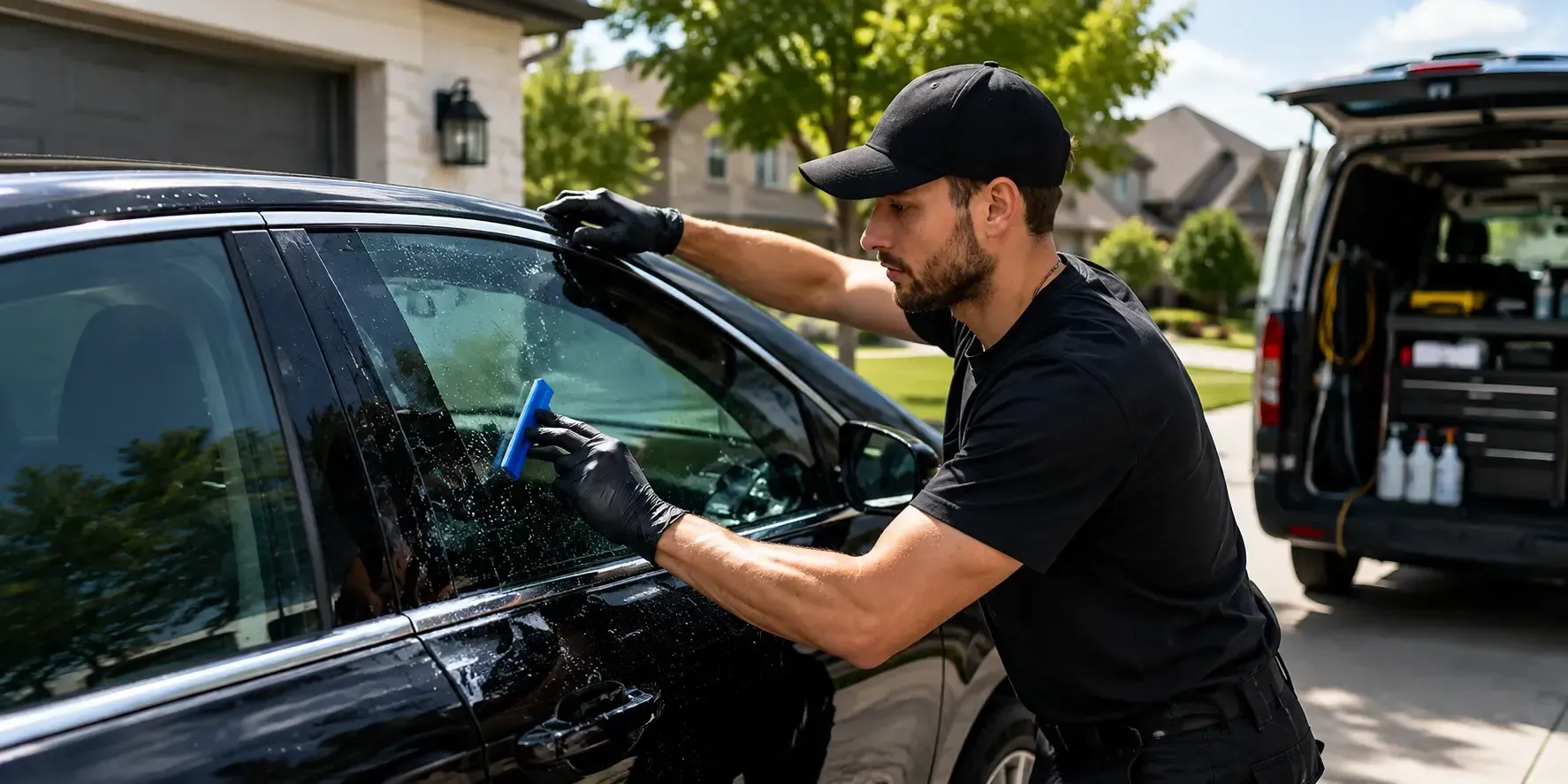
-1920w.webp)
-1920w.webp)

Why Does Cheap Window Tint Turn Purple or Fade Over Time?
Key Takeaways and Insights
Cheap window tint turns purple because intense UV radiation destroys the unstable chemical dyes used in budget manufacturing, leaving only red and blue compounds behind. Extreme local temperatures further degrade the adhesive, causing unsightly bubbling and severe visibility hazards for the driver. Upgrading to advanced, dye-free ceramic films guarantees permanent color stability, superior heat rejection, and absolute protection against the harsh Texas sun.
* Purple tint is the direct result of yellow dyes breaking down under heavy ultraviolet sun exposure.
* Extreme summer heat destroys cheap adhesives, leading to dangerous bubbling and distorted driving visibility.
* Premium nano-ceramic window films contain zero dyes and will never fade, bubble, or turn purple over time.
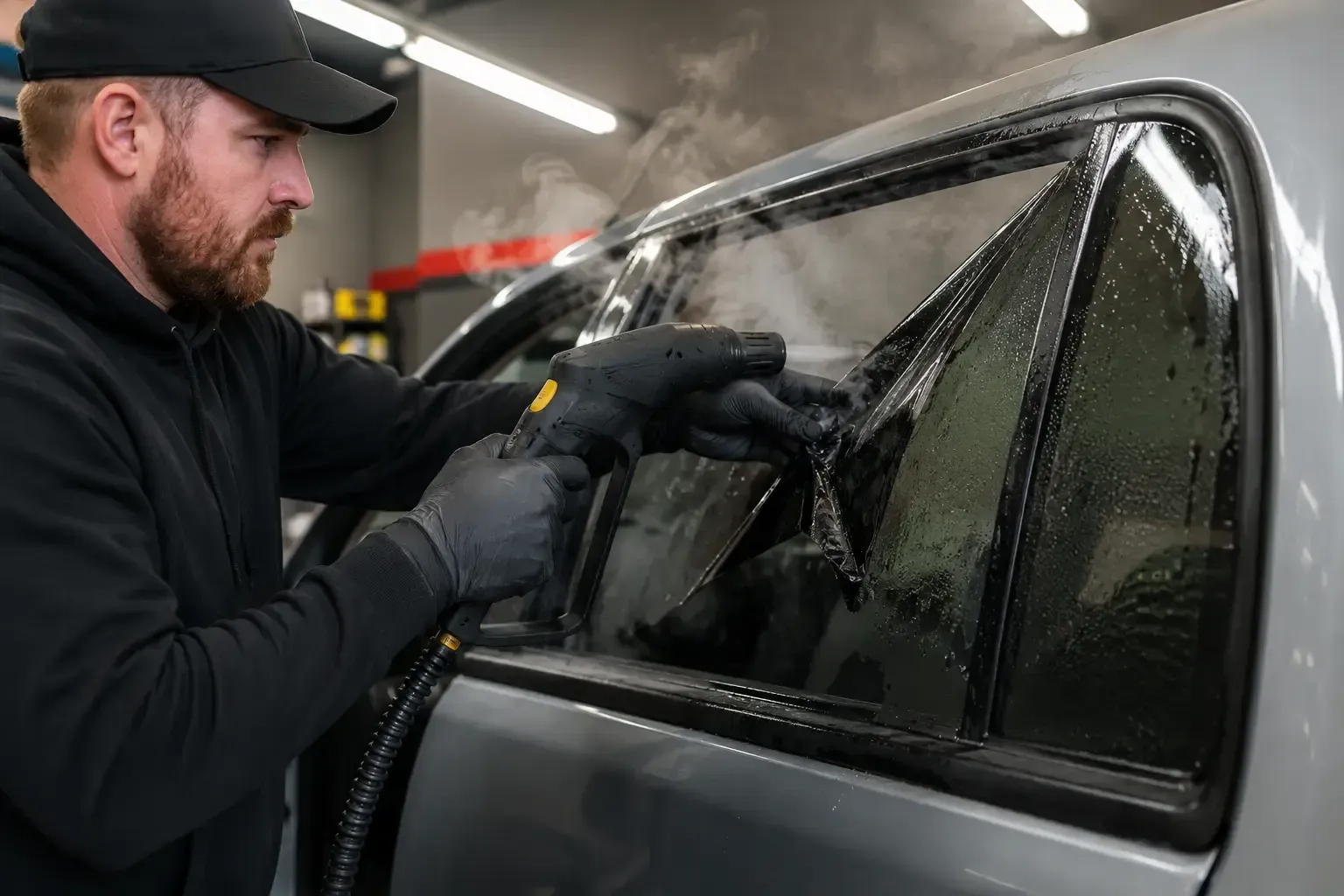
Have you ever noticed cars driving down the road with purple, bubbly windows? This is a very common sight on the highway. It is also a clear sign of failed window film. Vehicle owners often wonder why this specific color change happens. The answer lies directly in the materials used during the manufacturing process. When you understand the science of window film degradation, you can make smarter choices for your vehicle.
Protecting your car from the sun requires quality materials. Budget films might look good on the first day. However, they lack the chemical stability needed for long term performance. This article explains the exact reasons behind purple window tint. We will explore the chemical breakdown of dyes, the impact of local weather, and the long term costs of choosing inferior products.
The Composition of Standard Window Films
To understand why tint turns purple, you must first understand how it is made. Standard films use multiple layers of polyester. Manufacturers add chemical dyes directly into these polyester layers. The dye absorbs sunlight and darkens the glass. This process provides basic privacy and reduces harsh glare.
However, not all window film dyes are created equal. Cheap films rely on low quality colorants to keep production costs low. These chemical blends lack stability when exposed to harsh environmental conditions. The primary job of window film is to block the sun. Ironically, the sun is the exact element that destroys budget dyed films.
The Chemistry of Turning Purple
The purple color is not an accident. It is the result of a specific chemical reaction. Dye formulations consist of primary colors. Manufacturers mix red, yellow, and blue dyes to create a deep charcoal or black appearance. This blend looks great when it is brand new.
Sunlight contains intense ultraviolet radiation. UV rays carry massive amounts of solar energy. This energy attacks the chemical bonds within the dye molecules. In most standard formulations, the yellow dyes are the weakest components in the mixture. They break down and dissipate long before the other colors.
Once the yellow dye completely vanishes, only the red and blue dyes remain intact. When you mix red and blue together, you get purple. Therefore, the purple tint you see on old cars is literally the remaining chemical structure of a degraded product. It is the visual proof that the film is no longer functioning.
Why UV Radiation Destroys Chemical Dyes
Ultraviolet light is incredibly destructive. It causes paint to fade, plastics to crack, and fabrics to deteriorate. Window film dyes suffer the exact same fate. The UV rays act like microscopic lasers. They constantly bombard the surface of the glass.
Quality films contain specialized UV inhibitors. These inhibitors absorb the radiation and protect the underlying dye layers. Cheap window films either lack these inhibitors entirely or use very weak versions. Without proper protection, the dye absorbs the full force of the solar radiation. The chemical bonds shatter rapidly under this immense stress.
The McKinney Texas Climate Factor
The local climate plays a massive role in how long your tint lasts. Texas weather is famously unforgiving. Drivers in McKinney face intense summer heat and exceptionally high UV indexes. A cheap dyed film might survive a few years in a mild, cloudy climate. In Texas, the lifespan drops significantly.
Constant sun exposure accelerates the chemical breakdown. The intense summer sun essentially bakes the glass. This creates a worst case scenario for budget materials. Quality materials are absolutely necessary to withstand the brutal Collin County summers. If you choose a standard dyed film in this region, you will likely see a purple hue within just a couple of years.
Why Heat Causes Adhesive Failure and Bubbling
Color change is only one part of the problem. Extreme heat also damages the glue holding the film to the glass. Cheap adhesives lose their sticky properties under constant heat cycles. The film constantly expands and contracts as daily temperatures rise and fall.
The compromised adhesive eventually fails completely. Air pockets form between the glass and the polyester film. These air pockets appear as ugly, distorted bubbles. The bubbles start small but grow quickly as more adhesive fails. This peeling process ruins the appearance of your vehicle.
The Danger of Reduced Visibility
Bubbling window film is more than just an eyesore. It is a major safety hazard. The air pockets distort the view through the glass. Light refracts poorly through the bubbles, causing extreme glare at night. Headlights from other vehicles scatter across the rear window.
This distortion makes it very difficult to check your blind spots. Backing up becomes dangerous because you cannot clearly see pedestrians or obstacles. A failed window film compromises your ability to drive safely. Replacing degraded film is essential for clear, unobstructed visibility on the road.
Comparing Window Film Technologies
To avoid purple windows entirely, you must understand your available options. The market offers several different tiers of window film technology. The data below outlines the differences in performance and longevity.
| Film Type | Color Stability | UV Protection Level | Heat Rejection | Expected Lifespan |
|---|---|---|---|---|
| Standard Dyed | Poor (Turns Purple) | Low to Moderate | Minimal | 1 to 3 Years |
| Carbon Film | Excellent | High (99%) | Moderate | 5 to 7 Years |
| Ceramic Film | Outstanding | Maximum (99.9%) | Extremely High | 10+ Years (Lifetime) |
The Expensive Reality of Removing Cheap Tint
Budget tint always seems like a great deal initially. The upfront price tag is very tempting. However, the long term financial costs add up quickly. When a cheap film turns purple or bubbles, you have to remove it.
Removing old, baked on adhesive is highly labor intensive. You cannot simply peel it off like a sticker. The glue turns into a hardened, crusty mess. Professionals charge a dedicated removal fee because the cleanup process takes hours. You end up paying for the cheap tint, the removal labor, and the eventual replacement film. This makes budget tint a very expensive mistake.
Protecting Your Rear Defroster Lines
There is another hidden risk to removing failed tint. The rear window of your car features delicate defroster lines. These thin metallic strips heat the glass during the winter. They are incredibly fragile and easily damaged.
A harsh removal process can easily sever these heating lines. Scraping hardened adhesive off a rear window requires immense skill. If a defroster line breaks, it cannot be easily repaired. Fixing a broken defroster usually requires replacing the entire rear glass panel. Investing in a high quality film upfront prevents this stressful situation entirely.
The Carbon Film Alternative
If you want to avoid dyed films, carbon window tint is a solid upgrade. Carbon films do not rely on traditional chemical dyes. Instead, manufacturers infuse carbon particles into the polyester layers. Carbon is naturally dark and extremely stable.
Because there are no dyes to break down, a carbon film will never turn purple. It retains a deep, matte black finish for years. Carbon films also block a decent amount of infrared heat. This makes them a great middle ground for drivers seeking durability and better climate control.
The Nano Ceramic Film Advantage
Advanced technology solves the fading problem completely. Ceramic window films represent the peak of current industry standards. These premium films do not contain any dyes or carbon. Instead, they utilize microscopic nano-ceramic particles.
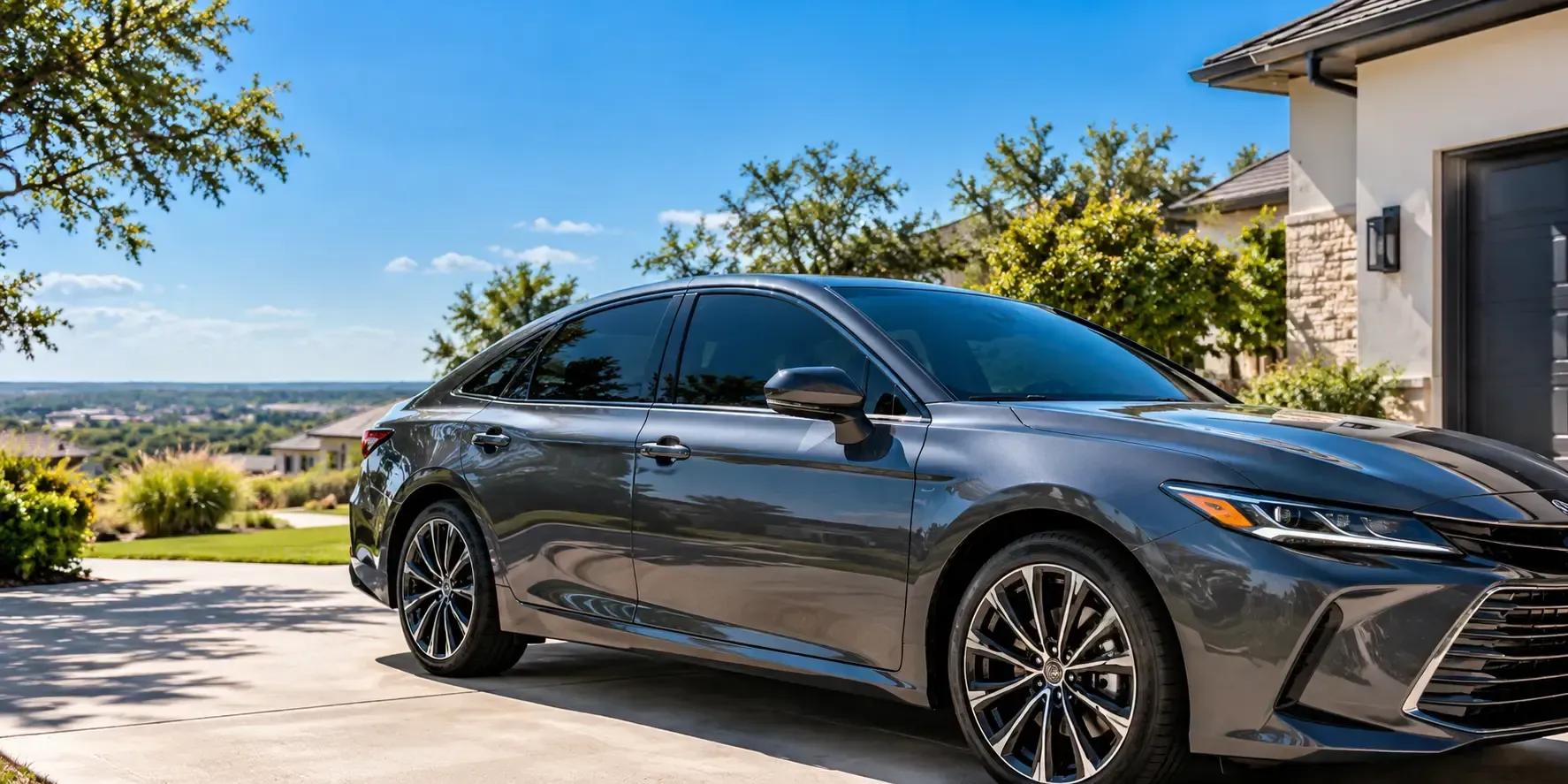
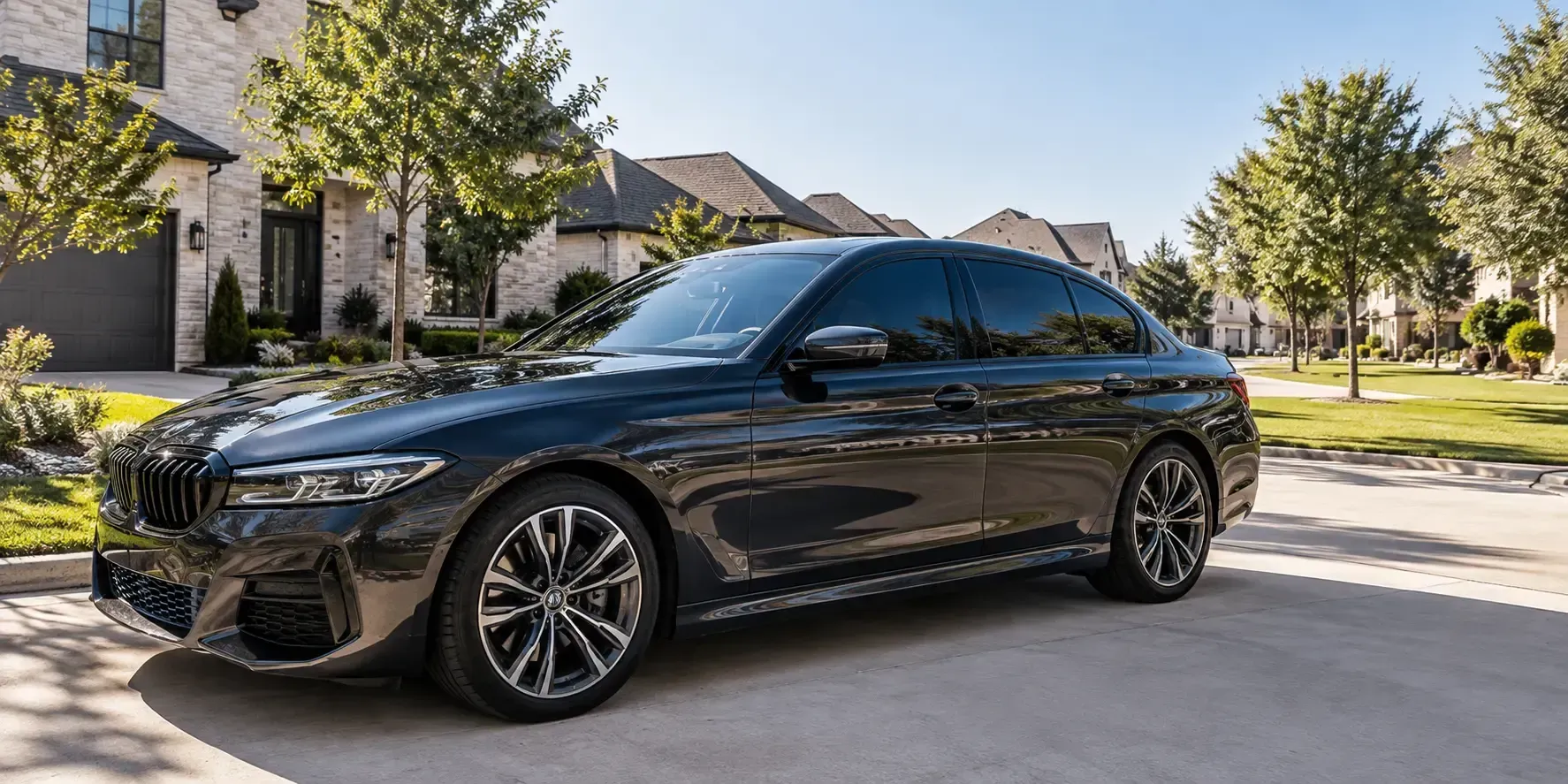
These ceramic particles are incredibly stable under extreme stress. They never break down under heavy UV exposure. A true ceramic film will never turn purple. It will retain its rich charcoal color for the lifetime of the vehicle.
Beyond absolute color stability, ceramic particles block massive amounts of solar heat. They actively reflect infrared radiation away from the cabin. This keeps your vehicle noticeably cooler during a hot McKinney afternoon. Your air conditioning system works less hard, which can even improve your fuel efficiency.
Protecting Your Health and Vehicle Interior
Ceramic and high quality carbon films offer benefits far beyond appearance. They block up to 99.9 percent of harmful UV rays. This extreme UV protection acts like permanent sunscreen for your vehicle. It protects your interior dashboard from cracking and fading. It stops leather seats from drying out prematurely.
More importantly, it protects your skin. Driving for hours exposes your left arm and face to constant UV radiation. Premium window film significantly reduces your risk of sun damage during your daily commute.
Choosing a Professional Window Tinting Service
Finding the right quality film is only half the battle. The actual installation process is equally important. Even the absolute best ceramic film will fail if applied incorrectly. Dirt trapped under the film ruins the final look. Poor edge trimming leads to early peeling and lifting. You need highly experienced technicians for a flawless, lasting result.
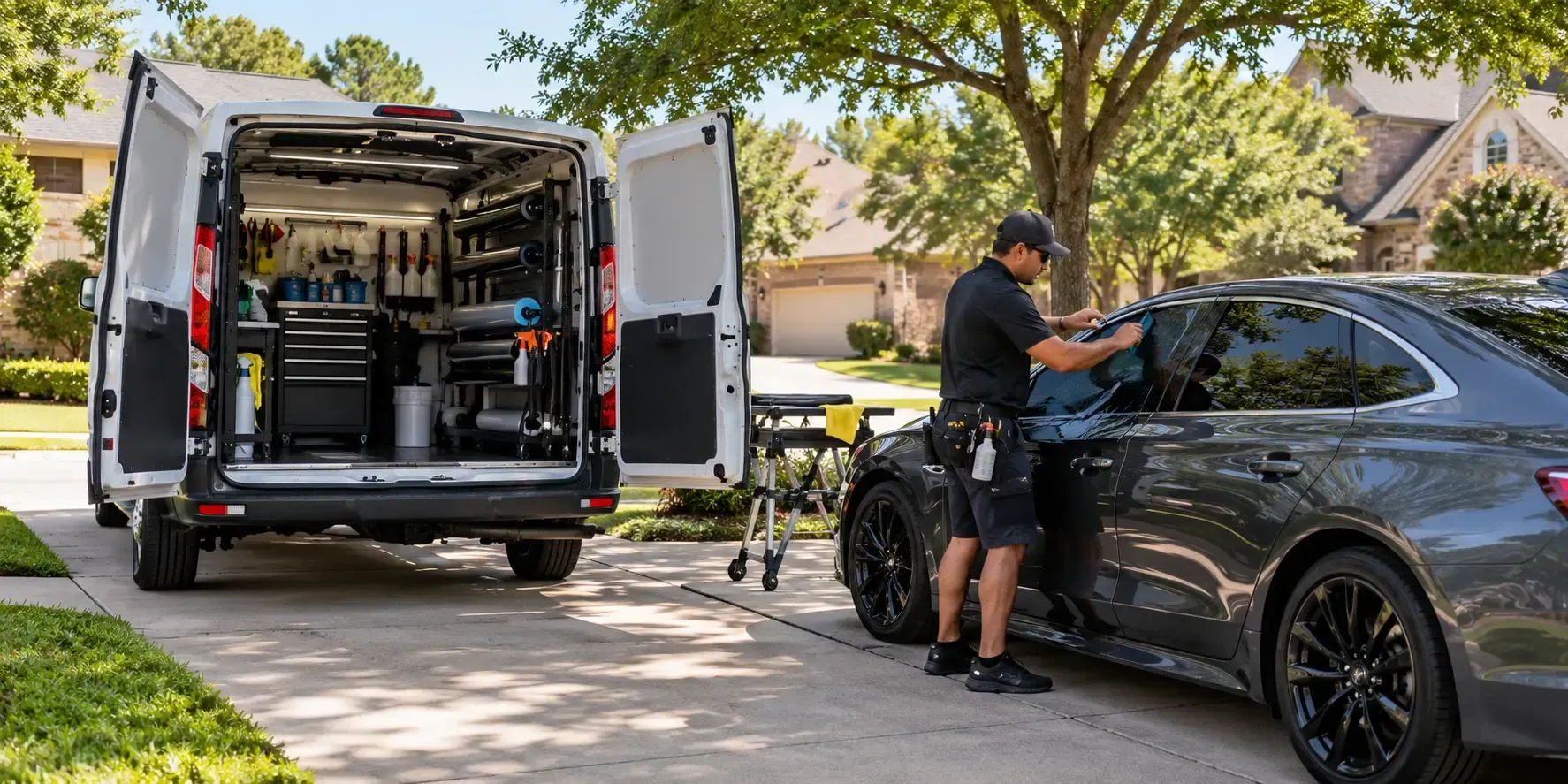
At Tint Integrity, we focus exclusively on premium craftsmanship. We use advanced materials specifically designed to survive the harsh Texas climate. Our technicians follow strict preparation protocols. We clean every inch of the glass meticulously before any film touches the window. This extreme attention to detail ensures a perfect bond and a clean factory finish look.
If you are tired of looking through purple, blurry glass, we can help. We safely remove failed dyed films without damaging your defroster lines. Then, we upgrade your car with advanced, color stable materials. You can easily explore our complete range of window tinting solutions to find the perfect performance match for your vehicle needs.
We proudly serve the McKinney community with dedication and honesty. Our shop is located at 3404 Ivy Glen Dr, McKinney, TX 75071. We stand completely behind our work with comprehensive lifetime warranties. When you are ready to protect your investment and improve your daily drive, please reach out to schedule an appointment. You can also call our team directly at +1 945 310-0120 to discuss your specific vehicle upgrade.
Frequently Asked Questions
Can purple window tint be repaired?
No, purple window tint cannot be repaired or restored. The color change indicates a permanent chemical breakdown of the internal dyes. The only permanent solution is to completely remove the degraded film and apply a new, higher quality layer of window tint.
Will a ceramic window film ever fade or turn purple?
Ceramic window films will never turn purple. They are manufactured without chemical dyes, relying instead on stable nano-ceramic particles. These advanced particles are completely immune to the UV degradation that destroys standard budget films.
Is it safe to remove old window tint myself?
Removing old window tint yourself is highly risky, especially on the rear window. The baked on adhesive is difficult to remove without proper steamers and solvents. Scraping the glass incorrectly can easily destroy your rear defroster lines or scratch the glass permanently.