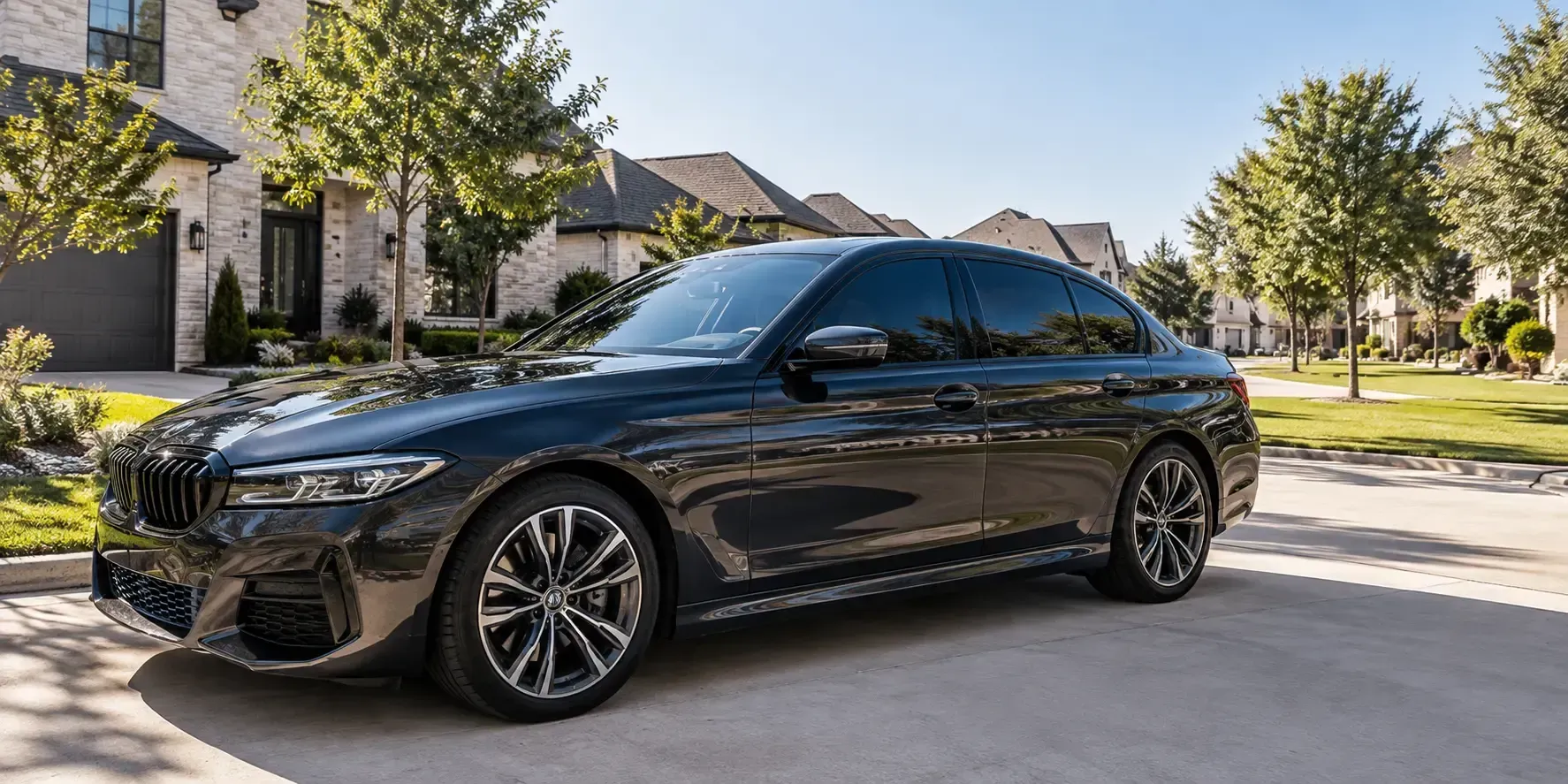
-1920w.webp)
-1920w.webp)
Why Is My Window Tint Bubbling? Causes and Whether It Can Be Fixed
Key Takeaways and Insights
Bubbling window tint is a common issue caused by low-quality adhesives, extreme heat exposure, and improper installation techniques. While fresh water blisters are a normal part of the curing process, permanent air bubbles require complete removal and replacement by a professional team. Upgrading to premium ceramic materials ensures lasting durability and protects your investment from future degradation.
- Cheap adhesives and intense sun exposure are the primary causes of permanent film failure.
- DIY repairs like popping bubbles or using hair dryers cause permanent damage and do not work.
- Professional replacement using high-quality ceramic film is the only guaranteed, long-term solution.
Have you noticed unsightly purple patches or blistered film on your vehicle windows? This is a very common issue. It ruins the aesthetic appeal of your car. It also creates serious safety hazards by reducing your visibility on the road. Window film degradation is not limited to automobiles. These exact same issues happen frequently on commercial buildings and residential properties.
Many people wonder why these blisters suddenly appear. They also want to know if the damaged film can be saved. We have the precise answers you need. Our team at Tint Integrity handles these exact problems every single day. Operating locally from McKinney, we help a wide variety of clients fix failing films. Let us explore the precise causes of these frustrating blisters. We will also outline the safest and most effective ways to resolve the problem.
The Primary Causes of Window Tint Bubbling
Why exactly does window film fail? The answer usually comes down to three specific factors. Understanding these causes helps you make better purchasing decisions in the future.
Low-Quality Adhesive Failure
The most common cause of bubbling is a failed adhesive. Cheap window films use basic glues. These basic glues break down quickly over time. Once the glue degrades, it releases its bond from the glass surface. This separation creates distinct pockets of air. These air pockets expand as the film continues to peel away from the window.
Improper Installation Techniques
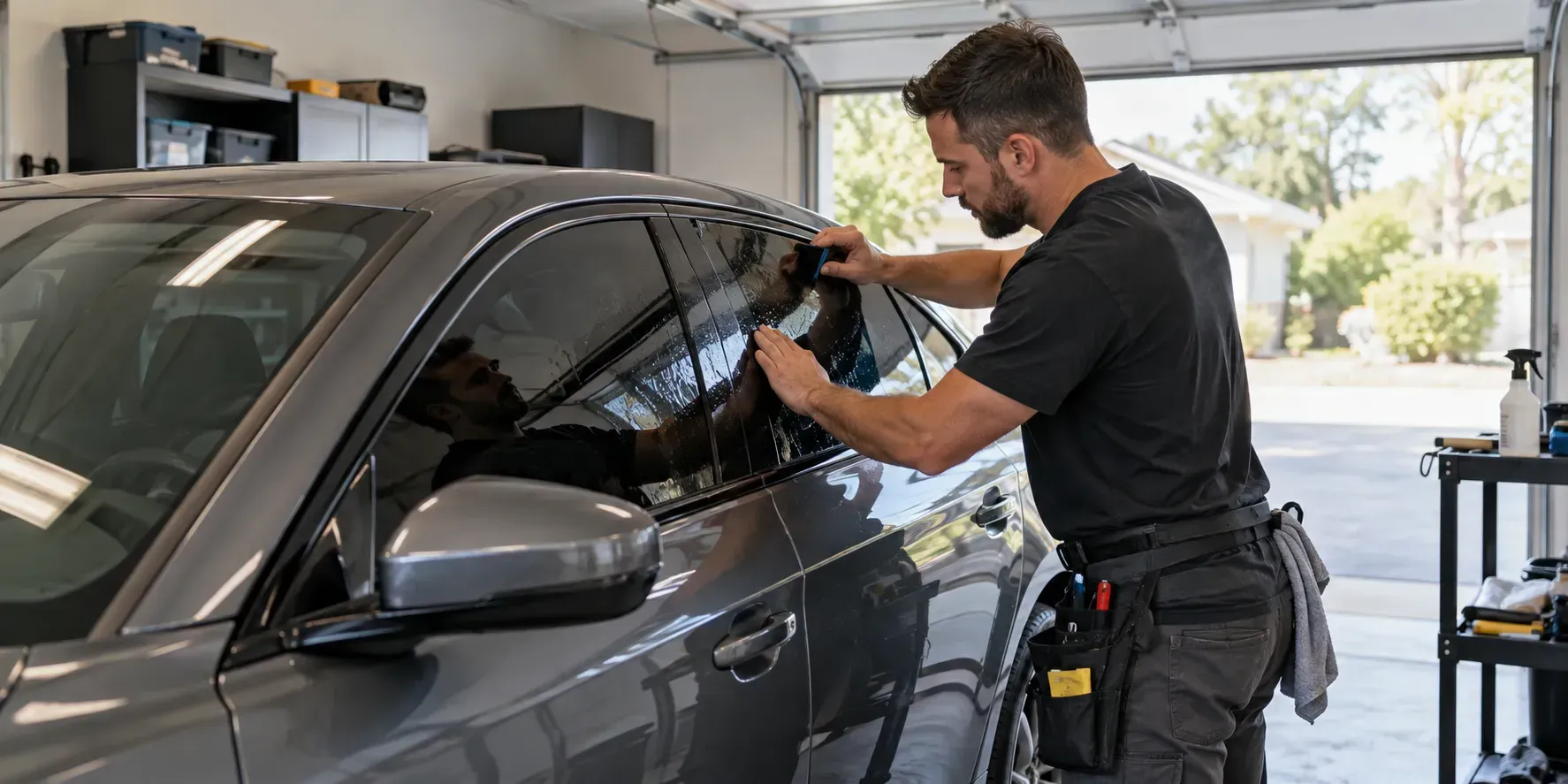
Installation environment matters heavily. Dust and dirt easily trap air beneath the film. A professional installer cleans the glass meticulously before applying any material. If the glass remains dirty, the film simply will not stick properly. Poor squeegee techniques also leave behind unwanted air pockets.
Sun Damage and Extreme Heat
The heat in McKinney can be incredibly intense. Constant exposure to ultraviolet rays degrades both the dye and the glue inside the film. High temperatures cause cheaper materials to warp. Luxury vehicle owners often upgrade to premium ceramic options specifically to prevent this rapid thermal breakdown.
The True Cost of Ignoring the Problem
Ignoring bubbled tint is a bad idea. It impacts different types of property owners in very specific ways.
For daily commuters, safety is the primary concern. Headlight glare scatters unpredictably through bubbled film. This makes night driving incredibly dangerous. It distorts your view of the vehicles behind you.
Luxury vehicle owners face aesthetic and financial penalties. A premium sports car instantly looks cheap with peeling, purple windows. This severely lowers the resale value of the vehicle.
Homeowners also suffer consequences. Residential window tint is designed to block heat and protect furniture. When the film bubbles, those protective properties vanish. Ultraviolet rays penetrate the damaged areas. This fades expensive hardwood floors and living room furniture.
Business owners and fleet managers face branding issues. A company service van with peeling windows looks unprofessional to potential clients. Furthermore, office buildings with failing tint lose their energy efficiency. The building HVAC system must work harder to cool the interior. This leads to significantly higher monthly utility bills.
Water Blisters vs. Air Bubbles: Knowing the Difference
Sometimes, seeing bubbles is actually completely normal. This happens right after a brand new installation. These specific pockets are called water blisters. They are a standard part of the natural curing process.
Air bubbles are entirely different. Air bubbles indicate that the film has permanently failed. You must know how to tell them apart. We have created a helpful guide below.
| Feature | Water Blisters | Air Bubbles | Action Required |
|---|---|---|---|
| Appearance | Hazy, slightly cloudy, small pockets | Sharp, clear, often large or grouped | Monitor closely |
| Timing | Right after fresh installation | Months or years after installation | Varies by type |
| Texture | Soft and fluid-filled | Stiff and hollow | Do not touch |
| Resolution | Disappears in 3 to 14 days | Permanent and expanding | Needs replacement |
Can You Fix Bubbling Window Tint?
People frequently ask if they can just pop the bubbles with a needle. We strongly advise against this approach. Taking a pin or a razor blade to the film ruins it instantly. It leaves a permanent hole in the material. Dirt and moisture will quickly get inside that hole. The damaged area will rapidly expand over time.
Applying heat with a hair dryer is another popular internet myth. This method rarely works on older film. The adhesive layer is already dead. Heating dead adhesive does absolutely nothing to restore its stickiness.
The only true fix is complete removal. You must strip the old material away entirely. You must then dissolve and scrape the old glue off the glass. Only then can you install fresh film.
The Professional Removal Process
Removing old film requires patience and specialized tools. It is a messy and tedious job.
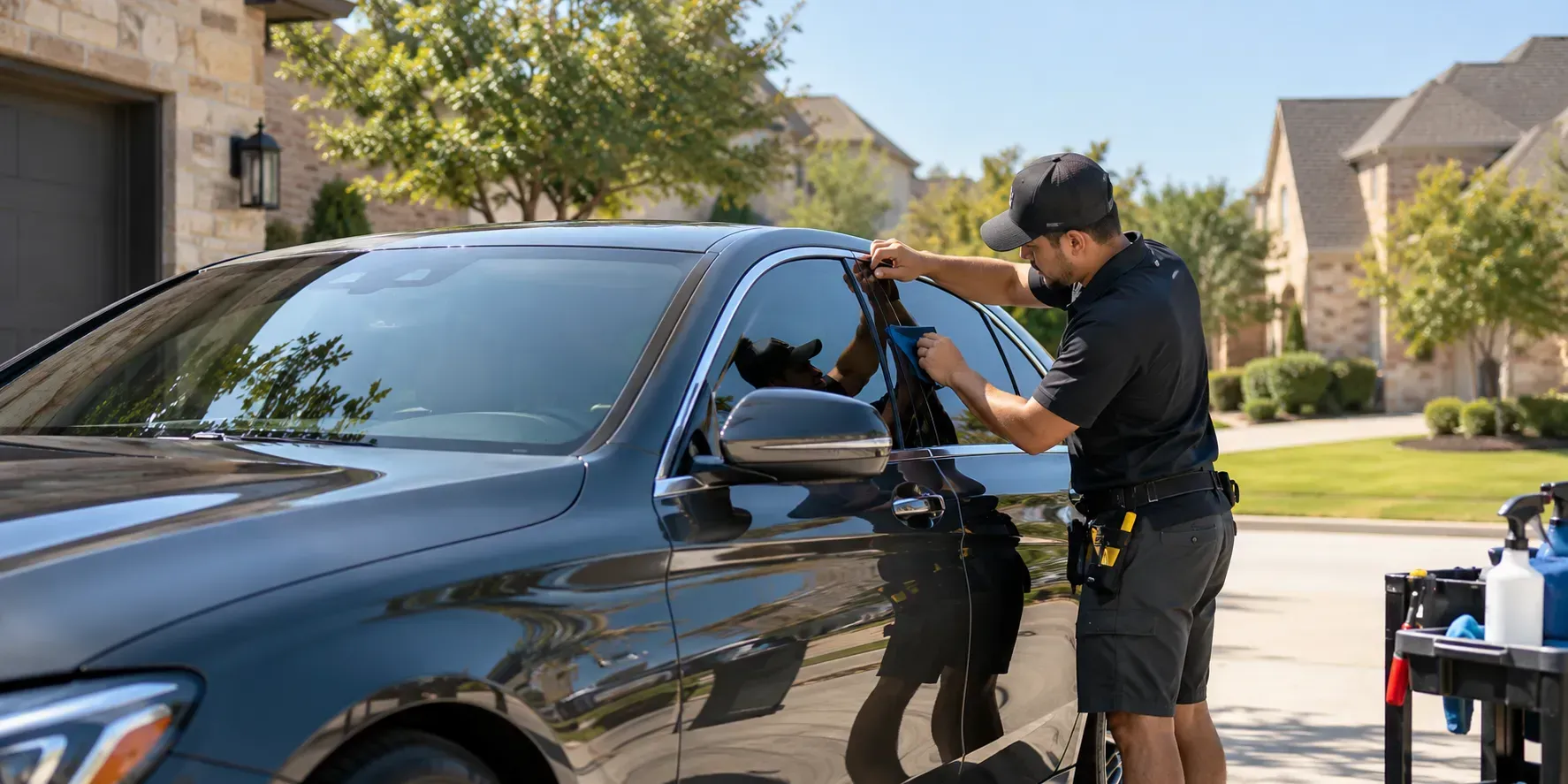
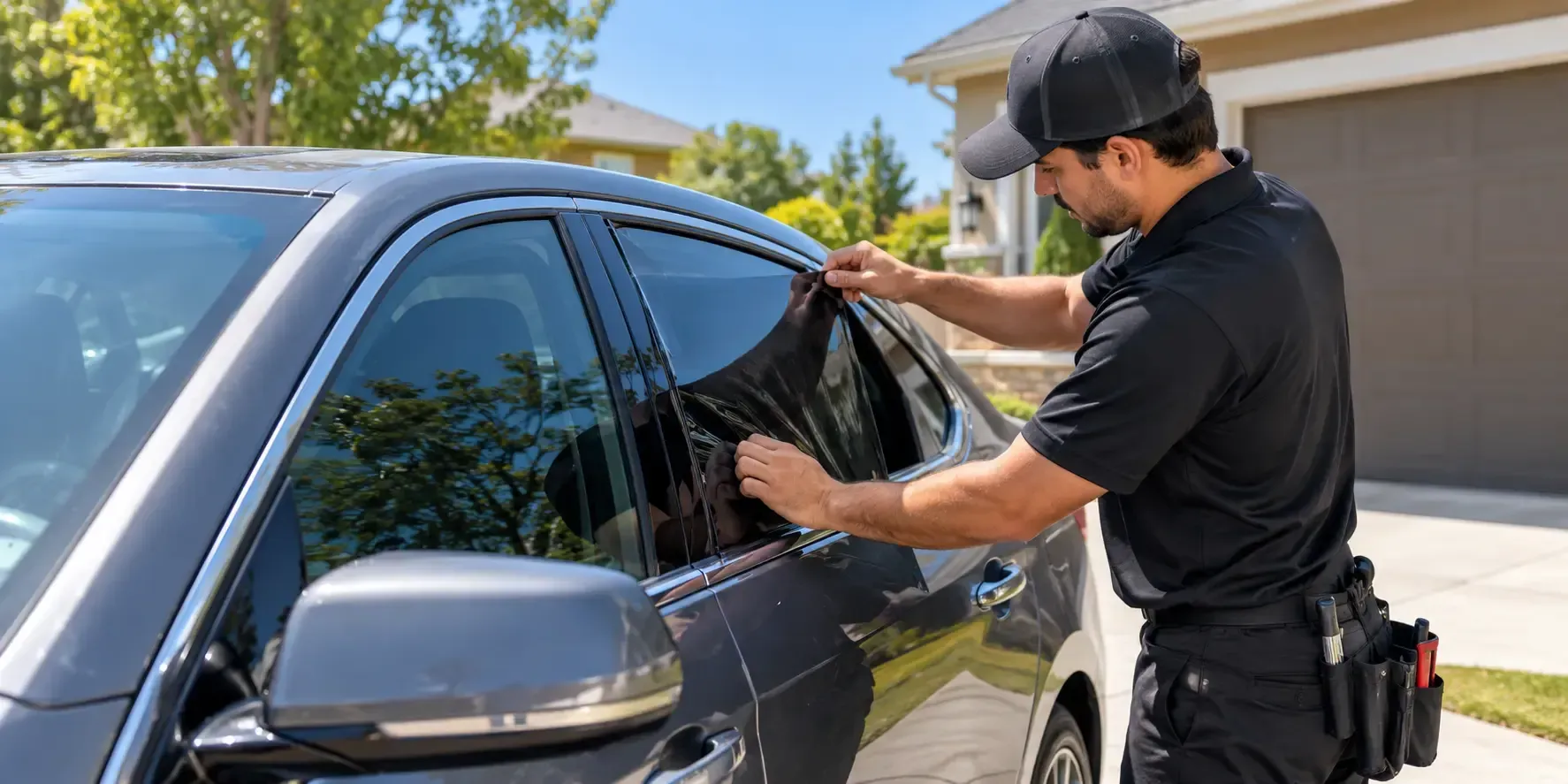
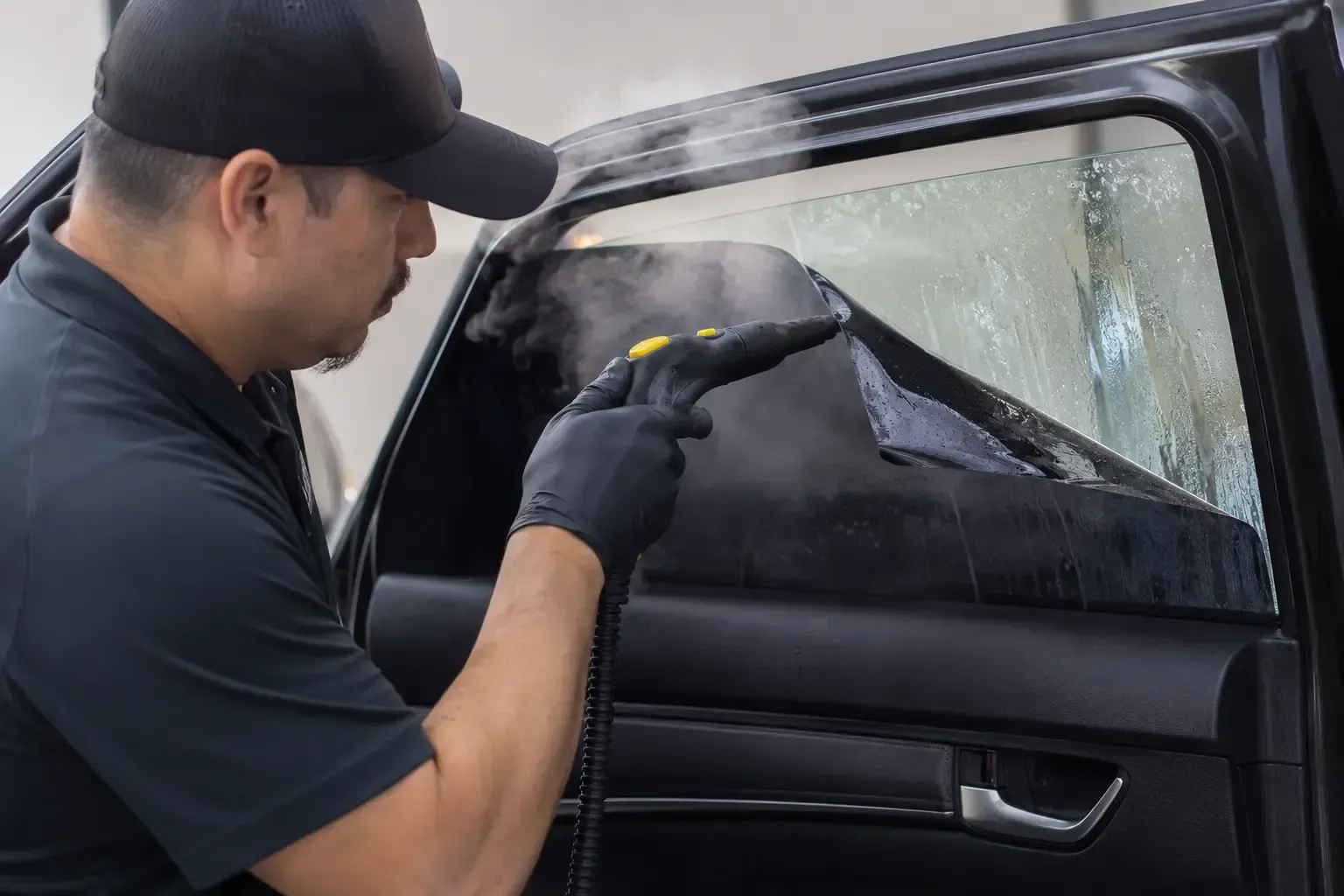
First, a professional uses a commercial steamer. The hot steam helps soften the top layer of the plastic. The technician then slowly peels the plastic away from the glass.
Second, the technician addresses the leftover glue. Failing film almost always leaves a thick, sticky residue behind. Professionals use specialized chemical solvents to dissolve this residue.
Third, the glass must be scraped clean. This requires specialized stainless steel blades. Doing this incorrectly can permanently scratch your glass. For vehicles, scraping the rear window is especially risky. Careless scraping easily destroys the delicate rear defroster lines. This turns a simple aesthetic problem into an expensive electrical repair.
Choosing a Reliable Window Tinting Service
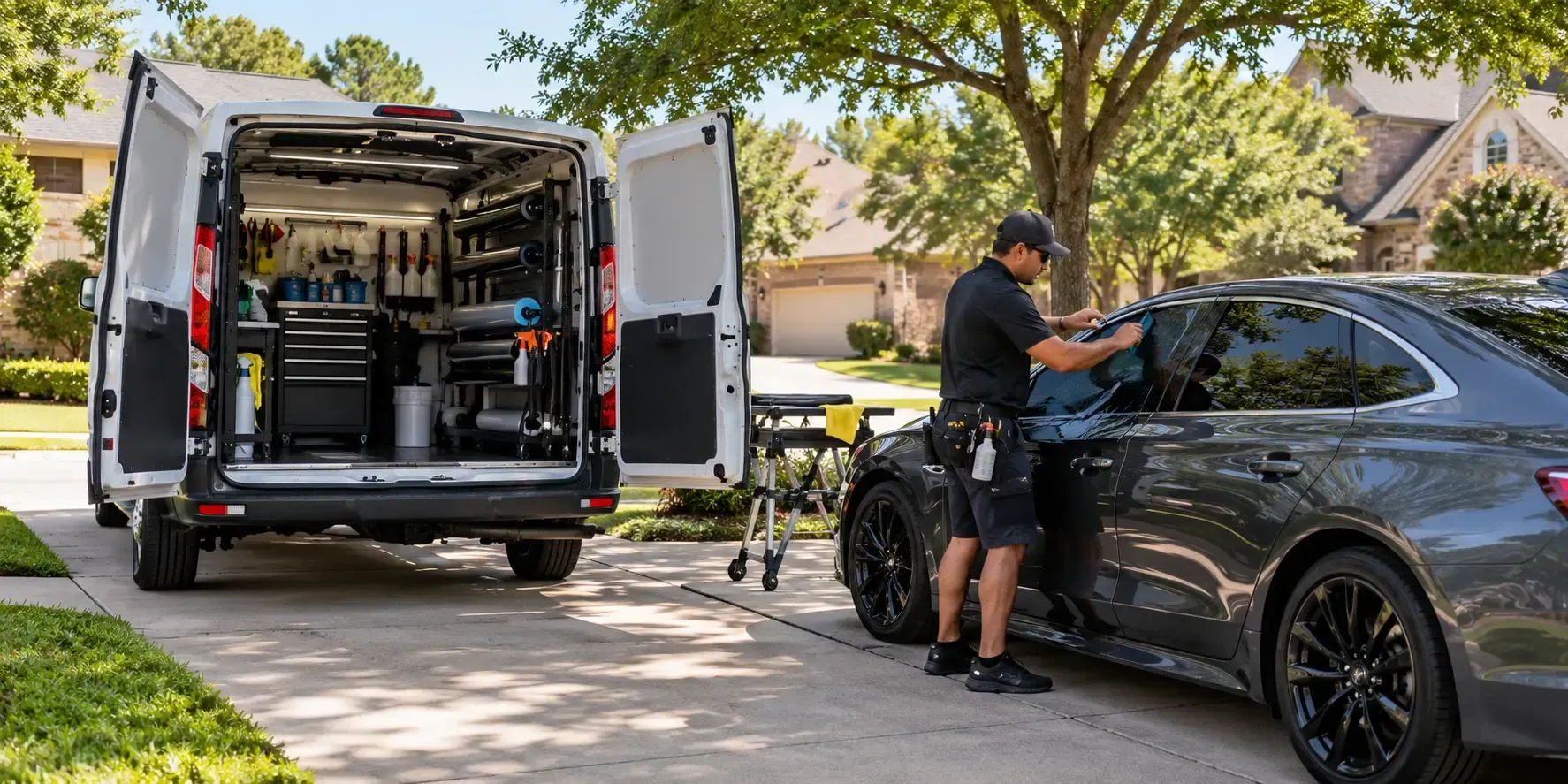
You need a professional Window Tinting Service to handle this replacement correctly. A reputable shop guarantees their labor and their materials. They protect your vehicle or property during the entire messy removal process.
Our team at Tint Integrity is your trusted local provider. We are conveniently located at 3404 Ivy Glen Dr, McKinney, TX 75071. You can easily reach our staff by calling +1 310 848-5568. We proudly serve luxury auto enthusiasts, residential homeowners, and commercial fleet managers.
We exclusively use premium materials that resist thermal breakdown. You can read more about our specific protective films by visiting Tint Integrity. Upgrading your vehicle or property has never been more straightforward.
How to Prevent Tint Bubbles in the Future
How do you stop this frustrating problem from ever happening again? The secret lies in your initial material choice.
You should always choose ceramic or carbon films. You must avoid cheap dyed films at all costs. Dyed films fade and degrade incredibly fast. Premium ceramic films utilize a much stronger adhesive layer. They also reject solar heat far more effectively. This vital heat rejection protects the underlying adhesive from baking in the intense Texas sun.
Always hire an experienced installer. Professional shops maintain a clean, climate-controlled environment. They use filtered water to prevent microscopic dust contamination. Proper installation techniques ensure the film bonds perfectly to the glass on the very first try.
If you want peace of mind, you need a lifetime warranty. Premium materials almost always come with robust manufacturer warranties. These warranties specifically cover bubbling, peeling, and color fading. This guarantees you will never have to pay twice for the same exact job.
If you are currently dealing with bubbled windows, do not wait. The longer you wait, the harder the old glue becomes to remove. You can reach out to our local team today to discuss your specific replacement options.
Frequently Asked Questions
How long does new window tint take to cure completely?
New film usually takes three to five days to dry. In colder or wetter weather, the process can take up to three weeks. You should never roll down your windows during this curing period.
Will popping a tint bubble with a pin fix the problem?
No. Popping the bubble causes permanent damage to the material. It creates an opening for dirt and moisture. This will cause the film to peel even faster.
Does bubbling window tint mean the film needs total replacing?
Yes. Unless they are fresh water blisters from a recent installation, air bubbles indicate permanent adhesive failure. The only reliable solution is professional removal and complete replacement.