-1920w.webp)
-1920w.webp)

Why Is Your Car Still Too Hot After Parking? How Mobile Window Tinting in McKinney Can Help
Key Takeaways and Insights
Parking in the intense Texas sun turns your vehicle into an oven due to the greenhouse effect, and standard factory privacy glass does little to stop it. Upgrading to a premium nano-ceramic window tint actively rejects infrared heat, protecting your luxury interior and preserving vital battery range for EVs. Utilizing a professional mobile installation service in McKinney offers the ultimate convenience by bringing this advanced heat-blocking technology directly to your driveway.
* The greenhouse effect traps infrared heat inside your car, causing temperatures to reach damaging levels.
* Nano-ceramic window films block up to 99% of UV rays and actively reject infrared heat without interfering with electronics.
* Mobile window tinting saves you valuable time by providing professional, dealership-quality installation in your own garage.
You park your vehicle in an open lot. You run inside for a quick errand. Just thirty minutes later, you return to the parking lot. You open your car door, and a wave of blistering heat hits your face. The steering wheel burns your hands. The leather seats feel like a hot stove.
If you live in McKinney, Texas, you know this scenario perfectly. The intense summer sun can turn any car into an oven. It makes your daily commute highly uncomfortable. It forces your air conditioning system to work overtime.
Many drivers assume this extreme heat buildup is just an unavoidable part of living in Texas. They try parking under trees or using flimsy cardboard sunshades. These temporary fixes rarely solve the real problem. The root cause of a blistering interior comes down to physics. Your vehicle glass is actively trapping solar energy.
Addressing this heat issue requires a professional approach. Partnering with a skilled team like Tint Integrity is the first step toward lasting comfort. By understanding how heat enters your car, you can make informed decisions about protecting your investment.
Understanding the Greenhouse Effect in Vehicles
Your car heats up so quickly because of the greenhouse effect. Sunlight travels through space and hits your vehicle. This sunlight consists of three main elements. These elements are visible light, ultraviolet rays, and infrared radiation.
Visible light is simply the brightness you see. Ultraviolet rays cause skin damage and fade your interior. Infrared radiation is the component you feel as physical heat. When these three elements pass through untreated glass, trouble begins.
The glass allows this solar energy to enter the cabin freely. The energy then strikes your dashboard, steering wheel, and seats. These solid materials absorb the energy rapidly. After absorbing the light, your seats and dashboard radiate it back out as low-frequency infrared heat.
Here is the main problem. Untreated glass lets high-frequency solar energy in, but it does not let low-frequency heat out. The heat becomes trapped inside the cabin. As the sun continues to beat down, the interior temperature climbs higher and higher. On a hot McKinney afternoon, the inside of your parked car can easily exceed 140 degrees Fahrenheit.
This trapped heat ruins your driving experience. It makes the air thick and difficult to breathe. It also places immense strain on your vehicle components.
Why Factory Glass Fails to Block Heat
Many modern vehicles come with darkened rear windows straight from the dealership. This factory feature is known as privacy glass. A common misconception is that this dark glass protects your car from heat.
Privacy glass is created by dyeing the glass during the manufacturing process. The dark pigment makes it difficult for people to see inside your vehicle. It provides a sleek aesthetic for luxury SUVs and trucks. However, privacy glass offers almost zero protection against infrared heat.
The dye simply absorbs visible light. It does not reflect or block the infrared radiation responsible for baking your interior. It also fails to block harmful ultraviolet rays effectively. You might have dark windows, but your passengers will still feel the burning heat of the sun on their skin.
Relying on factory privacy glass leaves your vehicle vulnerable. Your leather seats are still exposed to fading and cracking. Your cabin will still reach unbearable temperatures while parked. True heat rejection requires specialized aftermarket films designed to target specific solar frequencies.
Finding the Best Window Tinting Service in McKinney
Solving the trapped heat problem requires specialized materials. You need a reliable window tinting service to install high-performance films on your glass. Not all tint shops offer the same level of quality or technology. Choosing the right film makes a massive difference in your daily comfort.
If you drive a high-value vehicle like a Tesla, BMW, or Ford F-Series, standard dyed tint is not enough. Dyed tint only absorbs heat. Over time, the intense Texas sun will cause cheap dyed tint to fade, bubble, and peel.
The most effective solution is nano-ceramic tint. Ceramic films utilize microscopic, non-metallic particles to block solar energy. These advanced particles are completely invisible to the naked eye. They allow clear visibility while providing massive protective benefits.
A premium ceramic window tinting service will transform your driving experience. Ceramic films can block up to 99 percent of harmful UV rays. More importantly, they block a massive percentage of infrared heat. Instead of absorbing the heat, ceramic particles actively reject it away from your glass.
When you invest in premium automotive window tinting, your car stops acting like a greenhouse. The interior stays dramatically cooler, even after hours in a sunny parking lot.
Window Tint Material Comparison
Understanding the differences between tint materials helps you make the right choice for your vehicle. The table below outlines how various films perform regarding heat rejection, UV protection, and longevity.
| Tint Material | Heat Rejection (TSER) | UV Protection | Signal Interference | Durability |
|---|---|---|---|---|
| Standard Dyed | Low (10% - 20%) | Minimal | None | Prone to fading and bubbling |
| Metallized | Moderate (30% - 50%) | High | Yes (Blocks GPS/Cell signals) | Highly durable |
| Carbon | Moderate (30% - 50%) | High | None | Excellent color stability |
| Nano-Ceramic | Maximum (60% - 85%+) | 99.9% | None | Superior longevity and clarity |
This data shows why nano-ceramic film is the undisputed leader for high-end automotive protection. It offers maximum heat rejection without interfering with modern vehicle electronics.
Protecting Luxury Interiors and EV Battery Range
High-end vehicles require specialized care. If you own a luxury car, you understand the value of premium leather interiors. Audi, Mercedes-Benz, and Porsche use high-quality materials that need protection from the elements.
Prolonged exposure to the sun destroys leather and vinyl. The UV rays break down the chemical bonds in the material. This leads to premature fading, severe cracking, and a ruined aesthetic. Replacing a cracked luxury dashboard can cost thousands of dollars. Professional tinting acts as permanent sunscreen for your vehicle interior. It preserves the rich color of your seats and maintains your resale value.
Electric vehicles face an additional challenge. Cars like Teslas and Rivians rely heavily on battery power to manage cabin temperatures. These vehicles often feature a cabin overheat protection system. When the interior gets too hot, the car automatically turns on the air conditioning to cool it down.
While this protects the internal computers, it drains your battery rapidly. Parking your EV in the sun all day can result in a significant loss of driving range. By installing high-performance ceramic film, you reduce the amount of heat entering the cabin. The cabin overheat protection system activates less frequently. This preserves your battery life and maximizes your daily driving range.
Gas-powered trucks and SUVs also benefit. A cooler interior means your air conditioning cools the cabin faster when you start the engine. You spend less fuel blasting the AC on maximum settings.
The Convenience of Mobile Installation
Your time is valuable. Driving to a traditional tint shop, dropping off your car, and waiting for hours is incredibly inconvenient. Many professionals simply do not have the time to sit in a waiting room on a Tuesday afternoon.
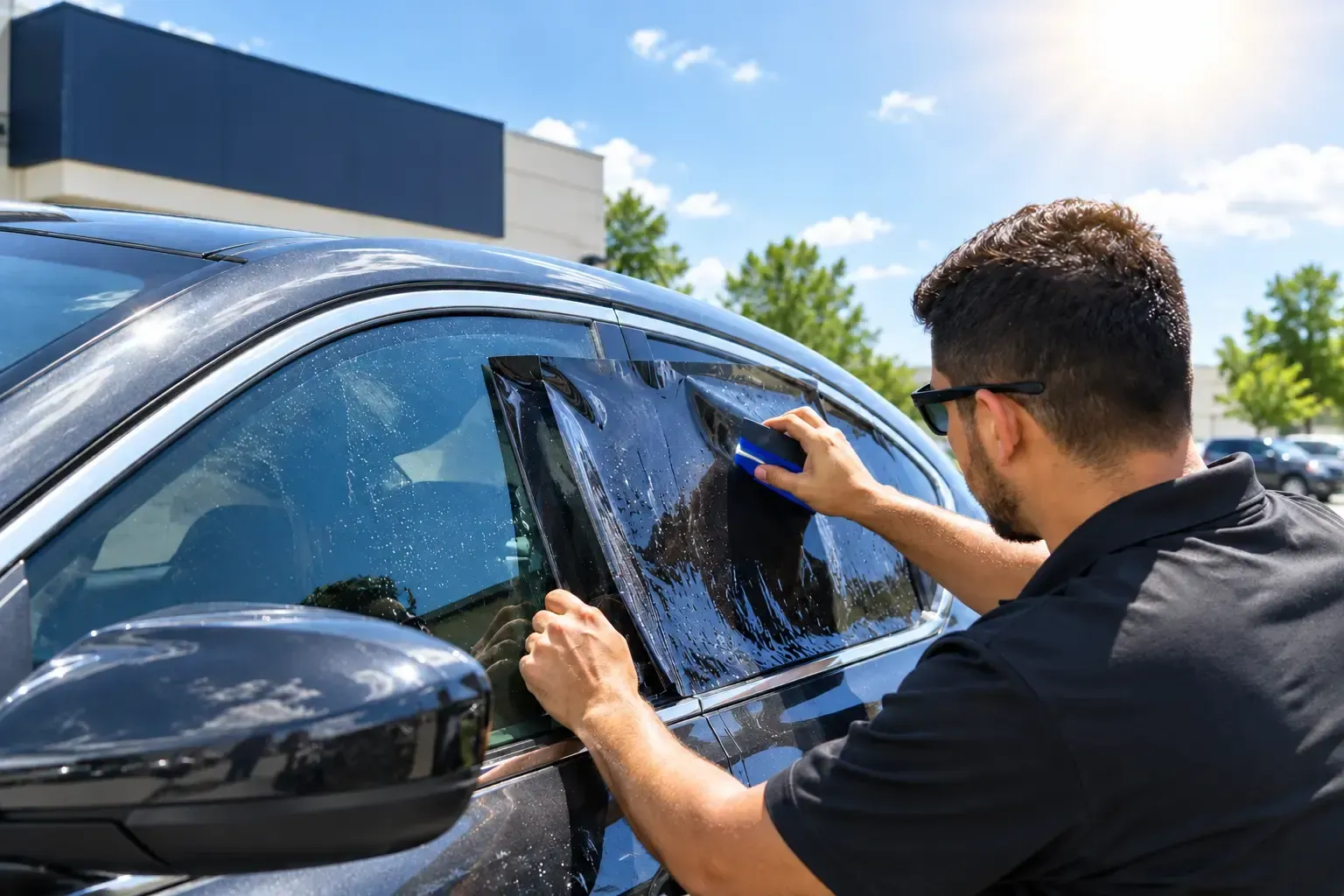
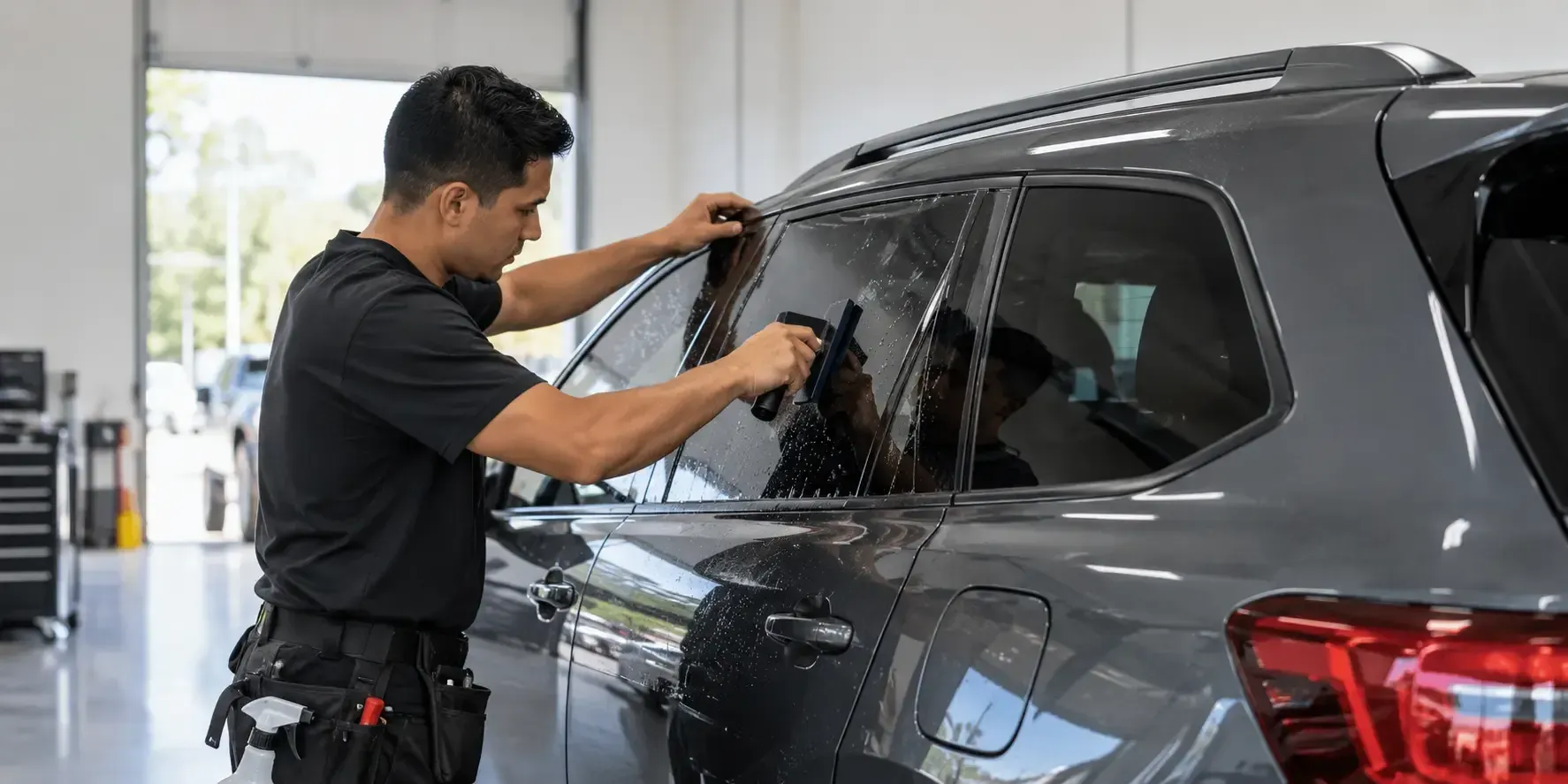
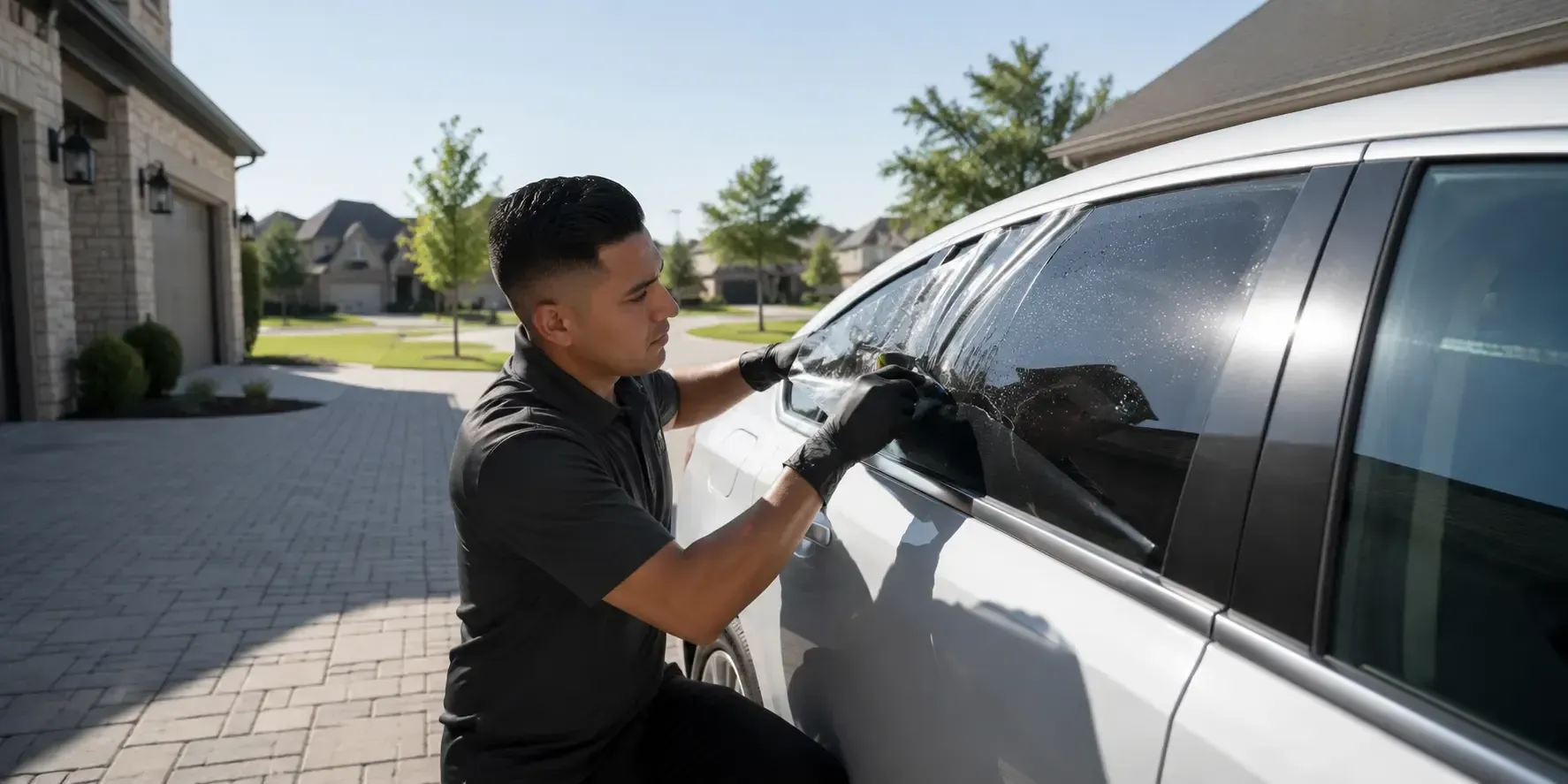
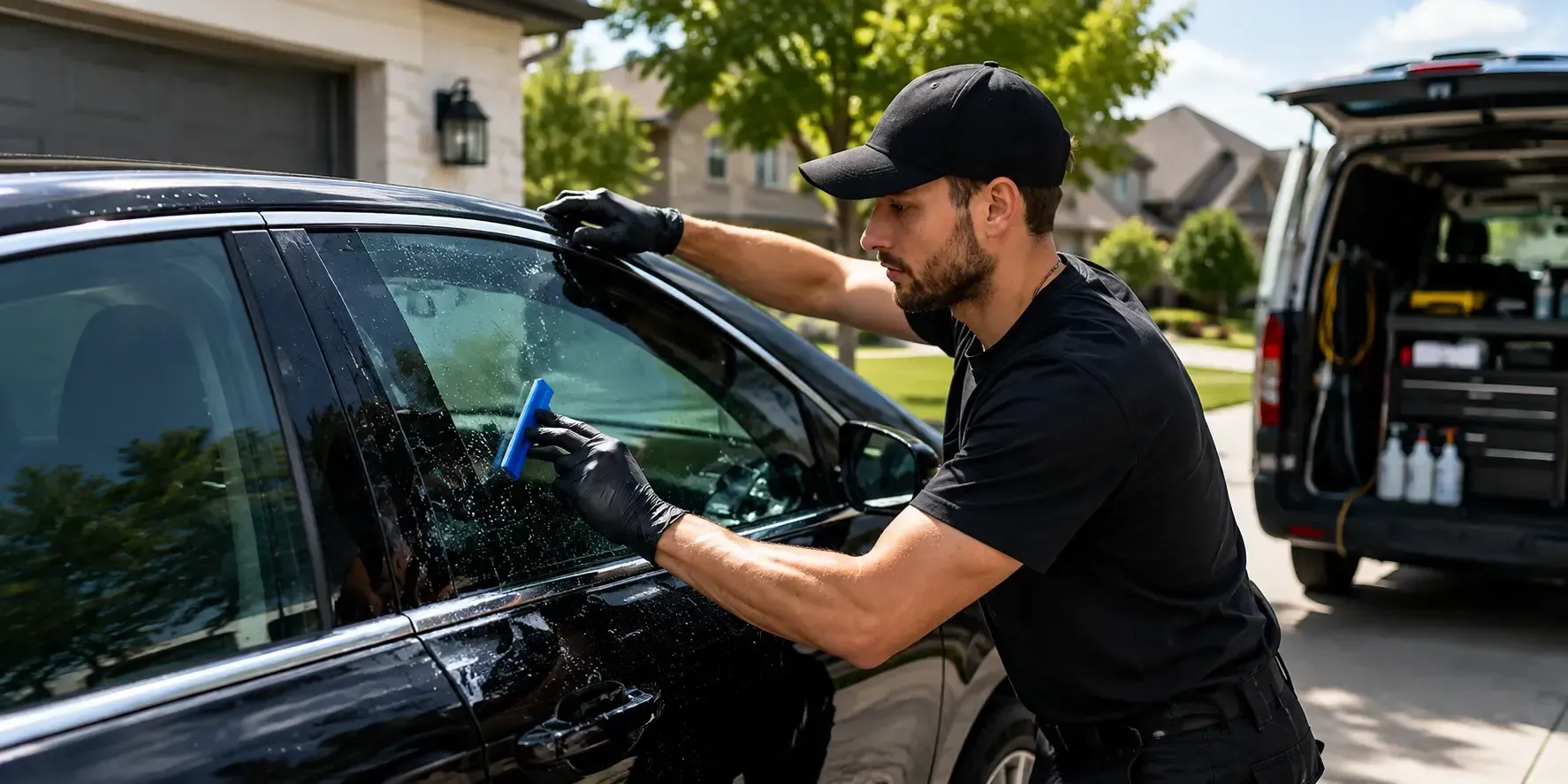
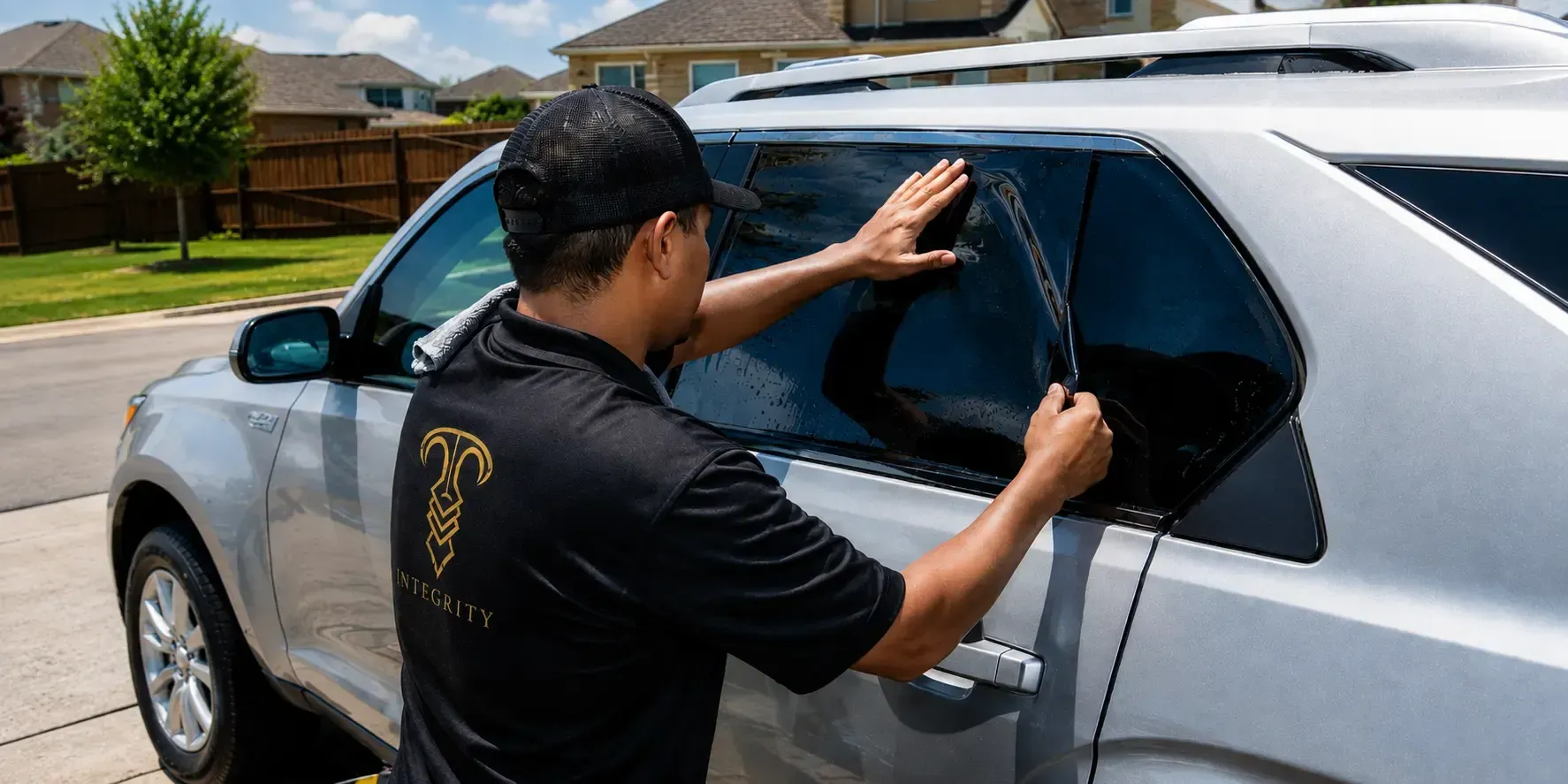
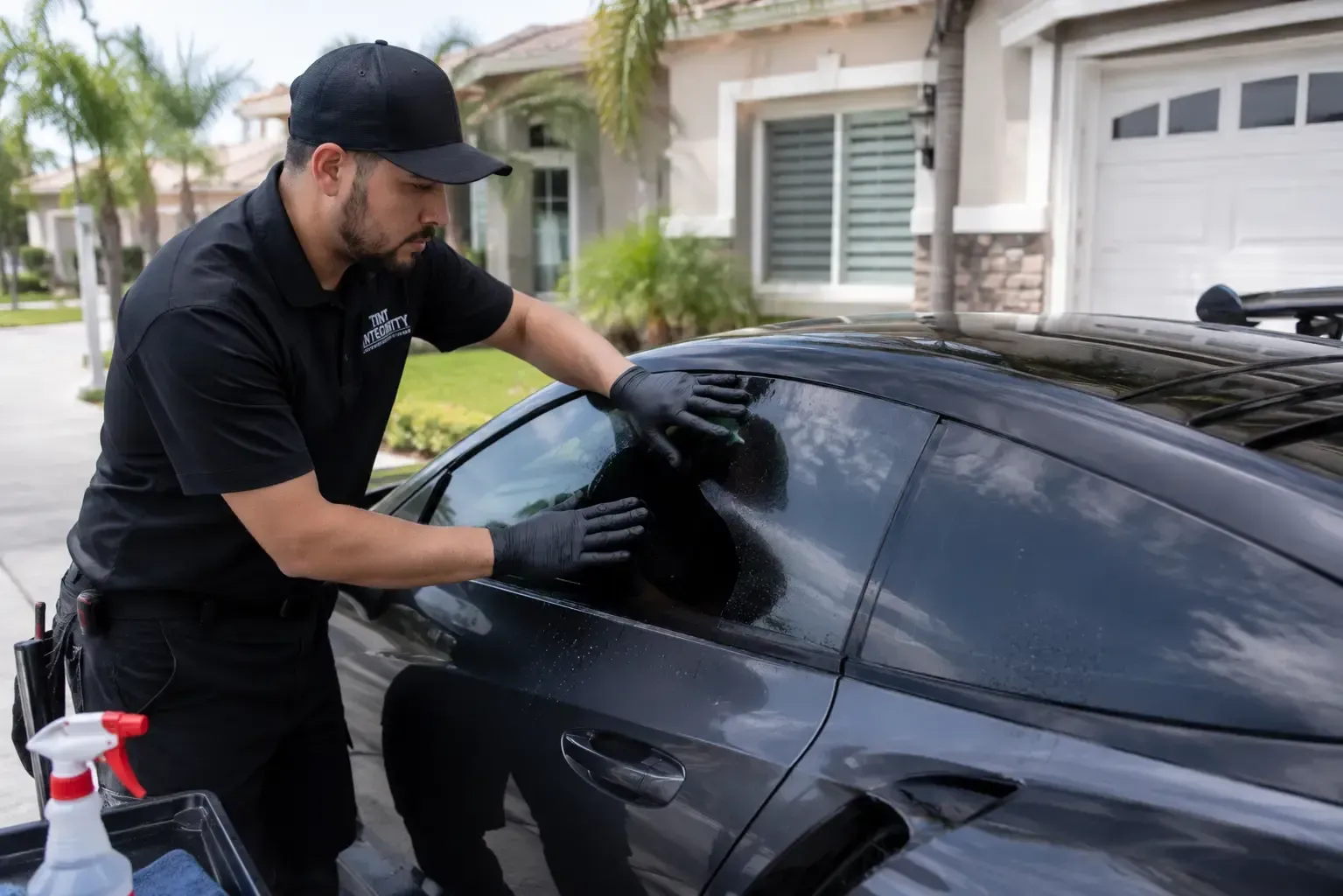
This is where mobile installation changes the industry. Instead of rearranging your busy schedule, the professionals come directly to you. Whether you are at home or working at the office, mobile service offers unmatched convenience.
The team at Tint Integrity specializes in exactly this level of service. We deliver the highest quality materials directly to your location. We take immense pride in our flawless installation process.
If you want to stop dreading your afternoon commute, explore our premium automotive window tinting solutions. We will help you select the perfect shade and performance level for your specific vehicle.
Do not let the harsh Texas sun ruin your vehicle interior. Take control of your comfort today. You can easily reach out to our team to schedule a convenient mobile installation right at your McKinney home or office.
Protecting Your Investment Long Term
Your vehicle is a significant financial investment. Keeping it in pristine condition requires proactive measures. You cannot control the intense Texas weather. You can, however, control how your vehicle handles the heat.
Stopping the greenhouse effect before it starts is the ultimate goal. By rejecting infrared rays at the glass level, you preserve your comfort, health, and vehicle interior. Upgrading from basic factory glass to advanced ceramic film is a smart, lasting choice.
Stop settling for a scorching hot vehicle. Take control of your driving experience and protect your interior from permanent sun damage. If you are ready to cool down your commute, schedule your appointment with our mobile experts today. We will help you select the exact film needed to beat the McKinney heat.
Frequently Asked Questions
How long does a mobile tint installation usually take?
A standard mobile installation typically takes between two and four hours. The exact time depends on your vehicle type and the number of windows being serviced. Larger SUVs and trucks generally require more time than compact sedans.
Can I roll my windows down immediately after installation?
No, you must wait at least three to five days before rolling your windows down. The film needs this time to properly cure and adhere to the glass. Rolling them down too early can cause the tint to peel or crease at the edges.
Will ceramic window film interfere with my cell phone signal?
No. Unlike older metallized films, nano-ceramic tint contains zero metal particles. It will not disrupt your cell phone reception, GPS navigation, satellite radio, or toll tag transponders. It provides superior heat rejection with zero electronic interference.