-1920w.webp)
-1920w.webp)
Residential Window Tint vs Automotive Tint in Inglewood, CA: What Is the Difference?
Residents of Southern California understand the impact of constant sunshine. The persistent glare and high UV index in Inglewood make window tinting a practical necessity rather than a mere luxury. Whether you are commuting along the 405 freeway or relaxing in your living room, controlling the sun provides immediate improvements in comfort and temperature regulation.
Many property owners and drivers assume that all window films are identical. They frequently ask the technicians at Tint Integrity if the exact same dark, heat-blocking material applied to their vehicle can simply be installed on their house. The short answer is no. Automotive window films and residential window films are engineered differently to interact with entirely different types of glass. Understanding these mechanical and chemical distinctions is vital for making an informed investment, protecting your property, and ensuring the longevity of the installation.
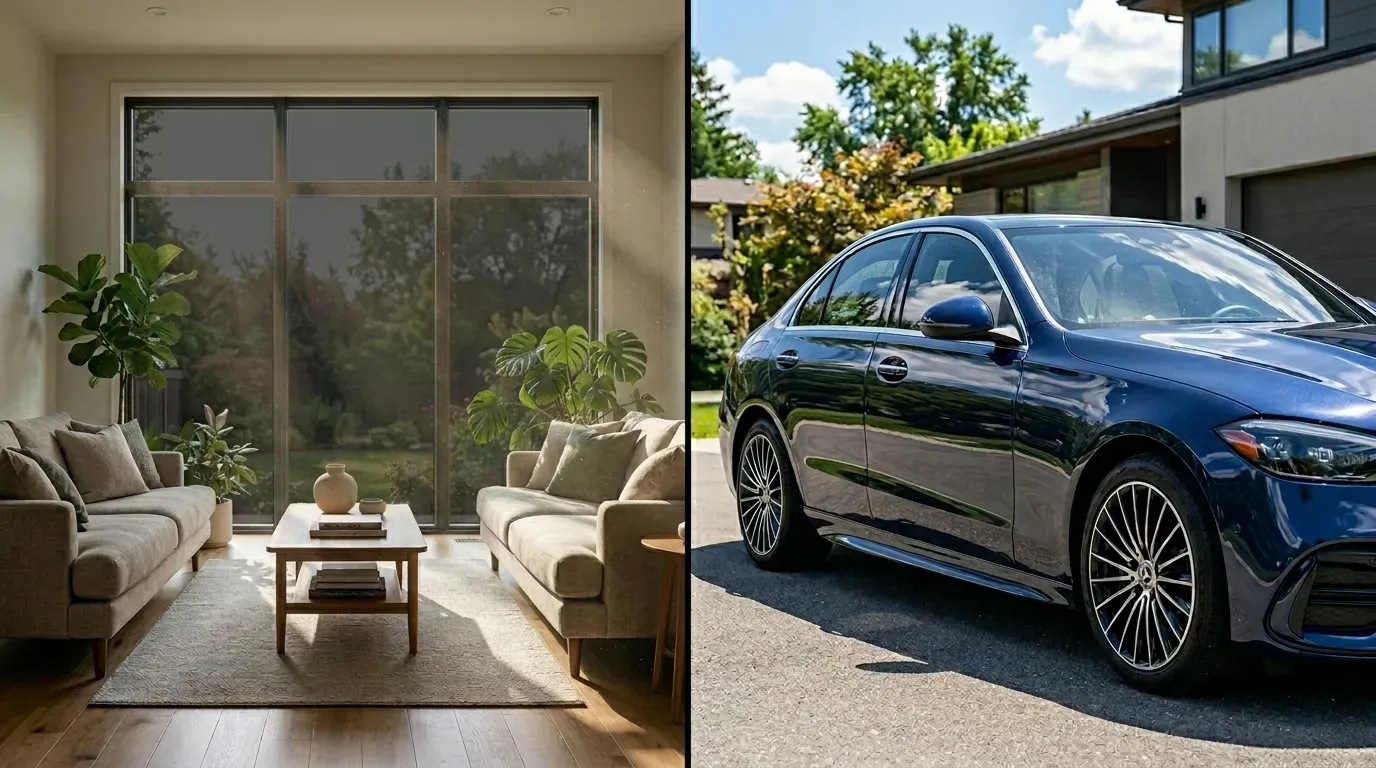
The Fundamental Differences in Glass Technology
To understand why window films differ, you must first understand the glass they cover. Vehicles feature tempered and laminated glass. Auto manufacturers design this glass to bend, flex slightly, and shatter into safe, blunt pieces upon impact. Furthermore, car windows are almost always curved.
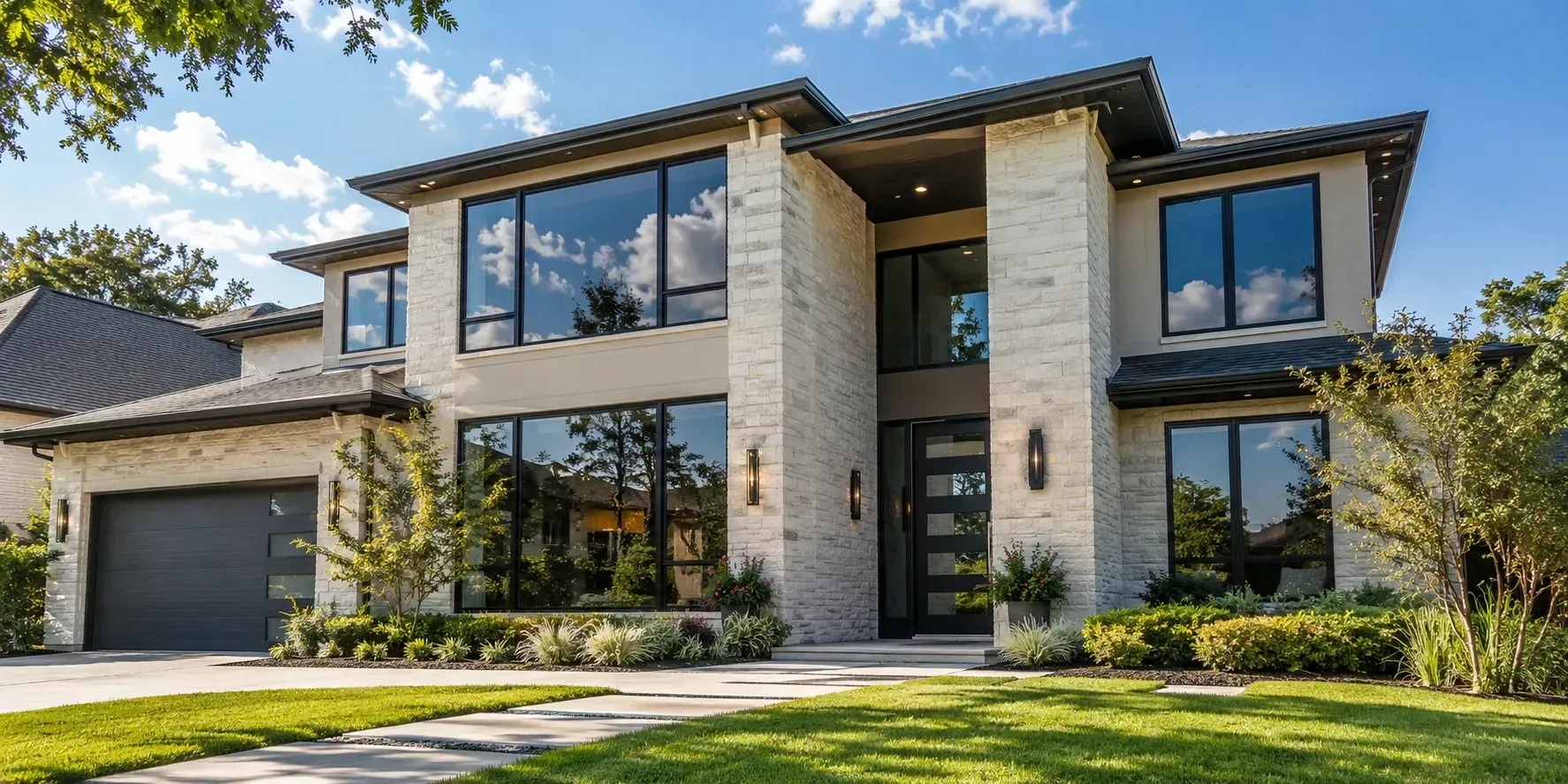
Homes and commercial buildings use flat architectural glass. Most modern houses in Inglewood feature insulated glass units, commonly known as double-pane windows. These windows consist of two panes of glass separated by a sealed space filled with air or a specialized gas. This design acts as a thermal barrier.
Because architectural glass and automotive glass handle heat differently, applying the wrong type of film causes severe structural issues. Automotive films absorb a high amount of solar heat. If you place a high-absorption automotive film on a double-pane home window, the heat becomes trapped between the two panes. This trapped heat causes the gas to expand, eventually leading to a ruptured seal or spontaneous thermal glass breakage. Residential films bypass this problem by reflecting solar energy outward rather than absorbing it into the glass.
Automotive Window Tint: Engineered for Motion and Curvature
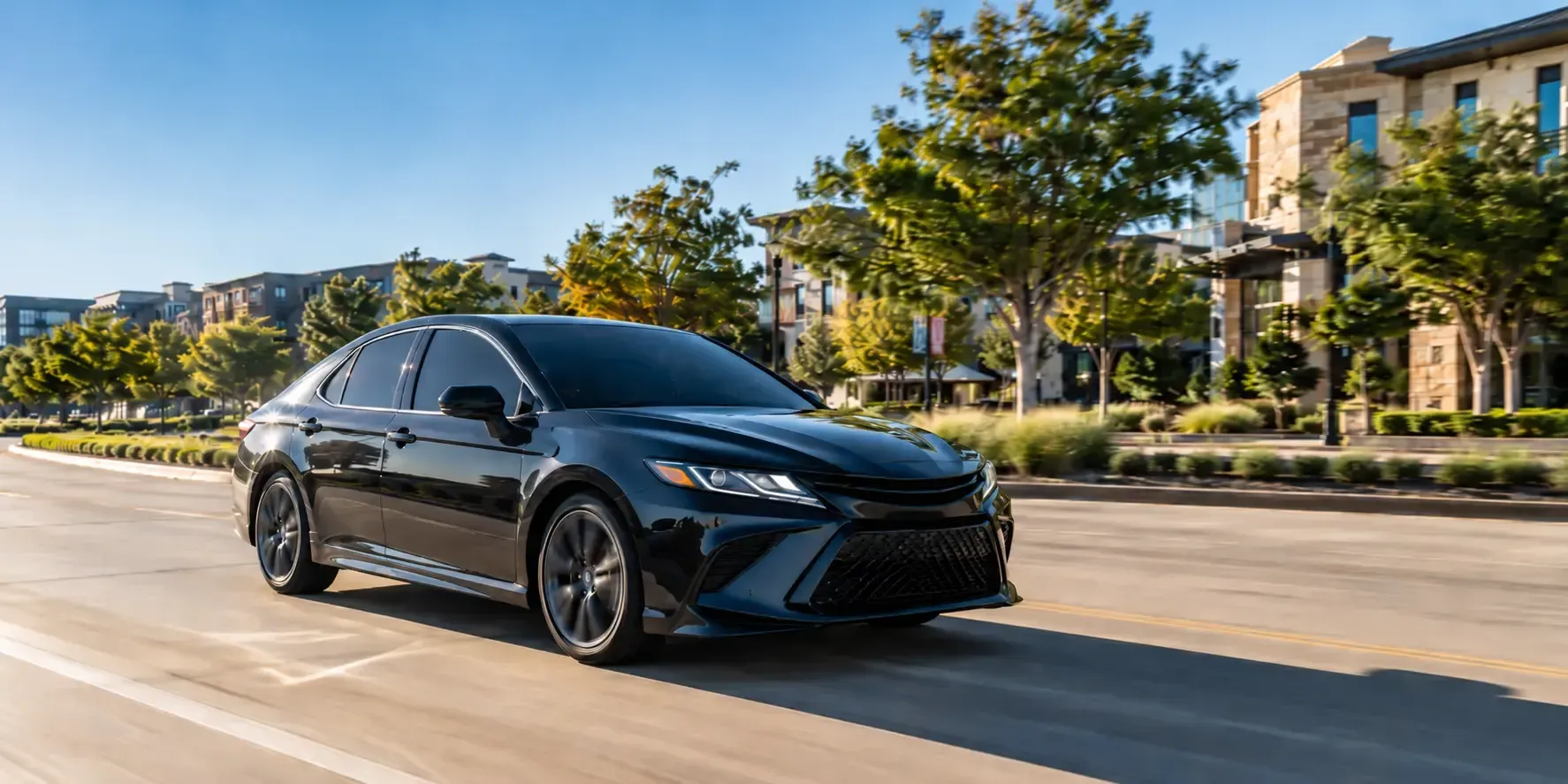
Automotive window film must perform under extreme and highly variable conditions. A parked car in Inglewood acts like a greenhouse, trapping heat and degrading interior materials like leather seats and plastic dashboards.
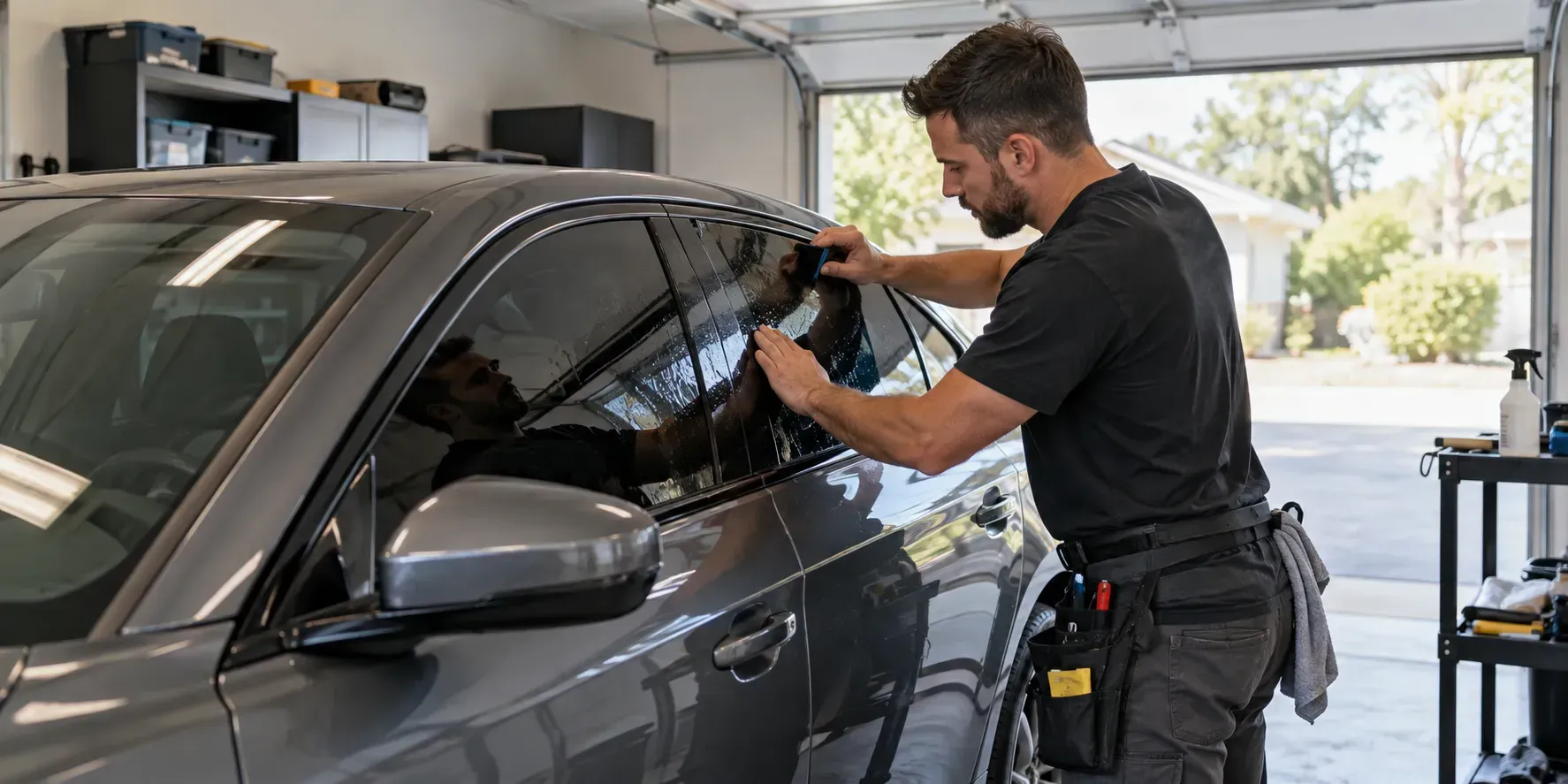
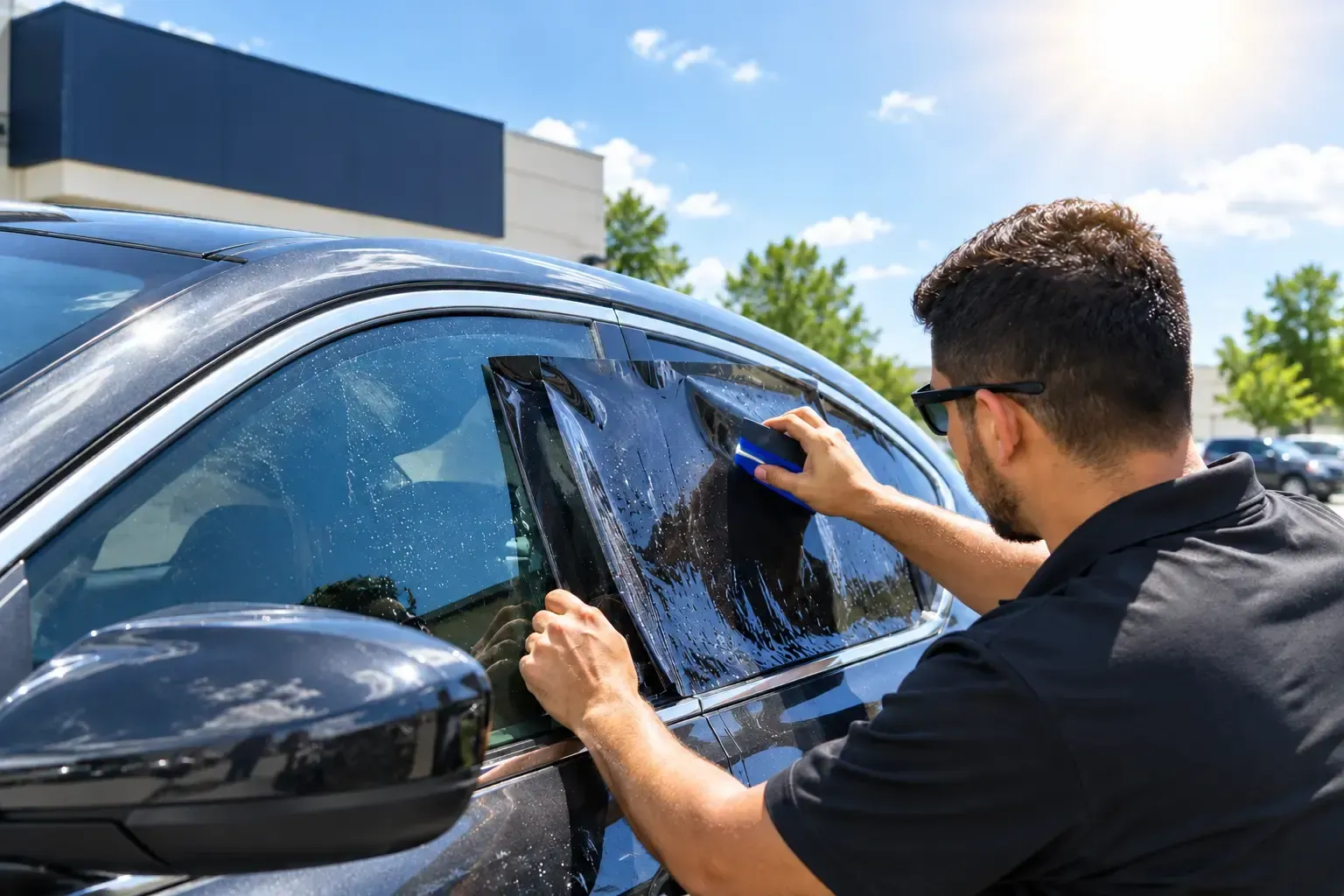
Because car windows feature compound curves, automotive tint is manufactured to be heat-shrinkable. Installers use high-temperature heat guns to manipulate the film, shrinking it to match the exact curvature of the windshield or rear glass before applying it to the interior surface. This process prevents the film from bubbling or peeling at the edges over time.
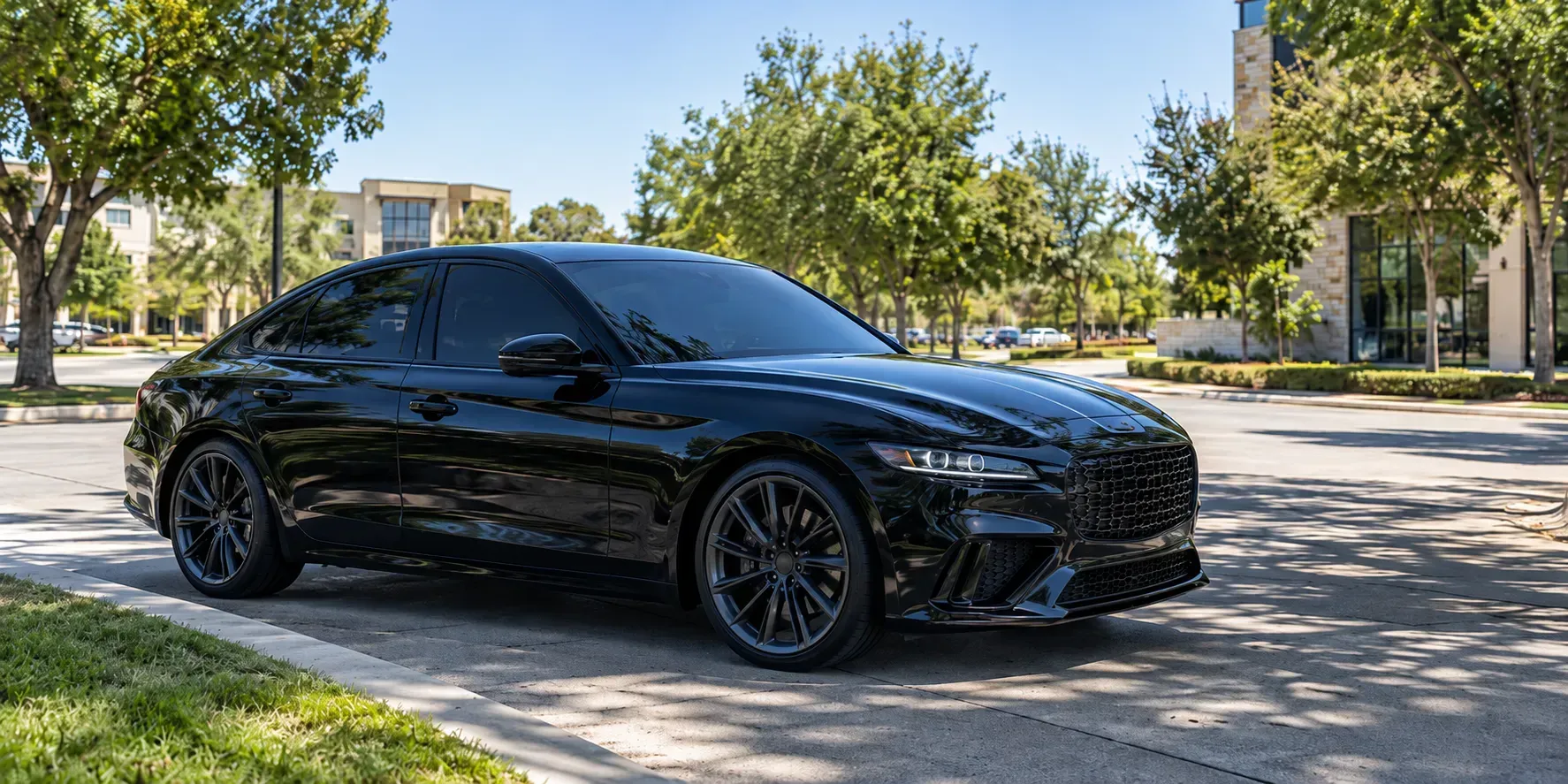
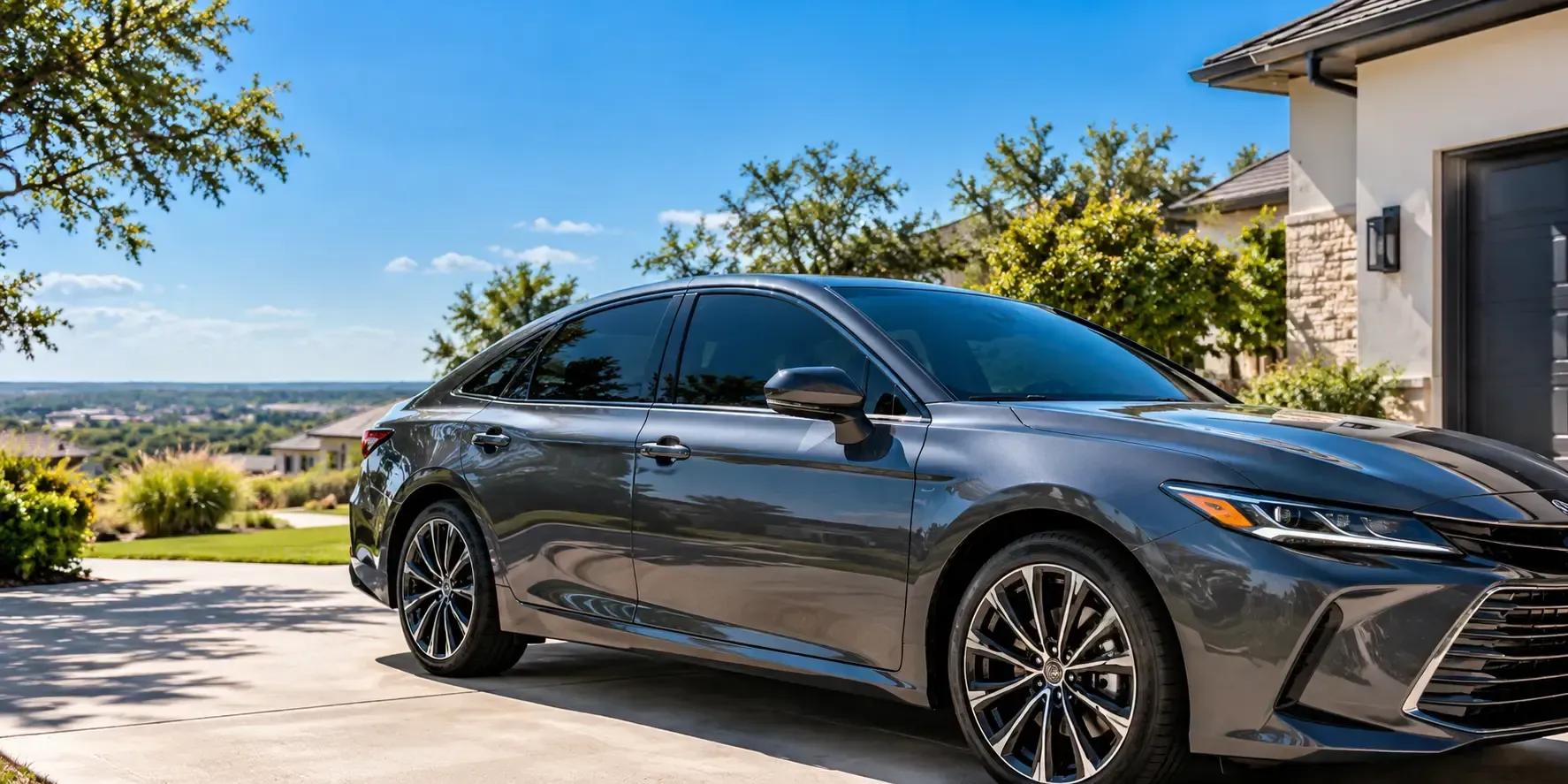
Automotive tint utilizes a pressure-sensitive adhesive. This adhesive formulation holds up against the constant vibration of driving, the friction of rolling windows up and down, and the drastic temperature fluctuations experienced inside a vehicle cabin. Premium automotive films, such as ceramic and carbon options, provide massive heat rejection without interfering with cellular signals, GPS navigation, or radio frequencies.
Hiring a Mobile Window Tinting Sevice Inglewood Residents Trust
Time is a heavily guarded resource for busy professionals and active families in the Los Angeles area. Taking a car to a traditional shop, dropping it off, and waiting hours in a lobby is highly inconvenient. This is exactly where the delivery method of the installation becomes just as important as the materials used.
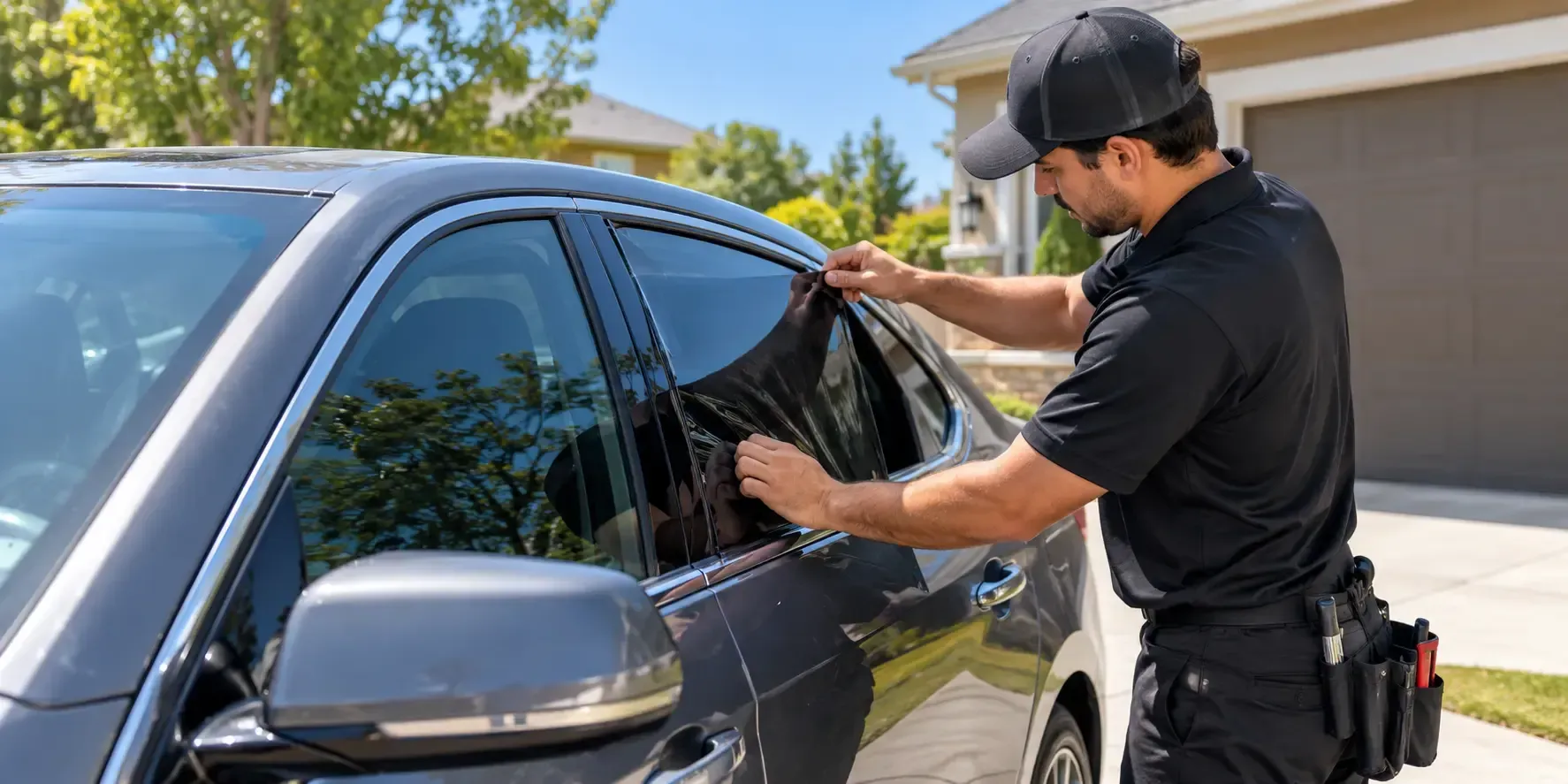
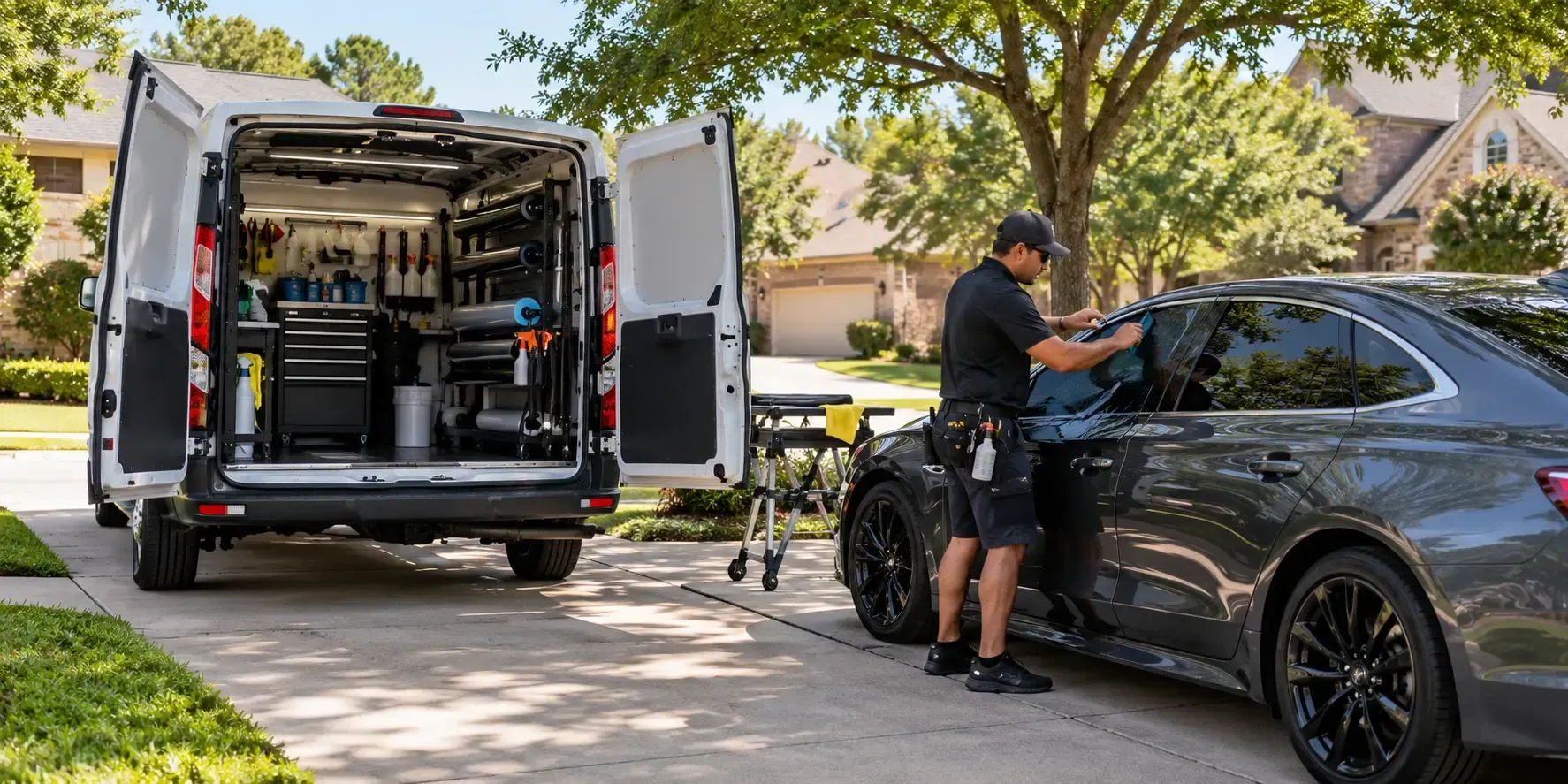
When searching for a high-quality mobile window tinting sevice inglewood drivers prioritize convenience, precision, and reliability. Tint Integrity brings the installation directly to your driveway or office parking lot. This model allows customers to continue working, managing their households, or simply relaxing while professionals upgrade their vehicle outside.
Mobile installations require technicians to carry specific tools and adaptable materials to ensure a flawless application regardless of the environment. High-grade ceramic films are particularly popular for these mobile jobs because they offer maximum heat rejection and UV protection, instantly upgrading the driving experience without requiring multiple trips to a service center.
Residential Window Tint: Built for Flat Glass and Longevity
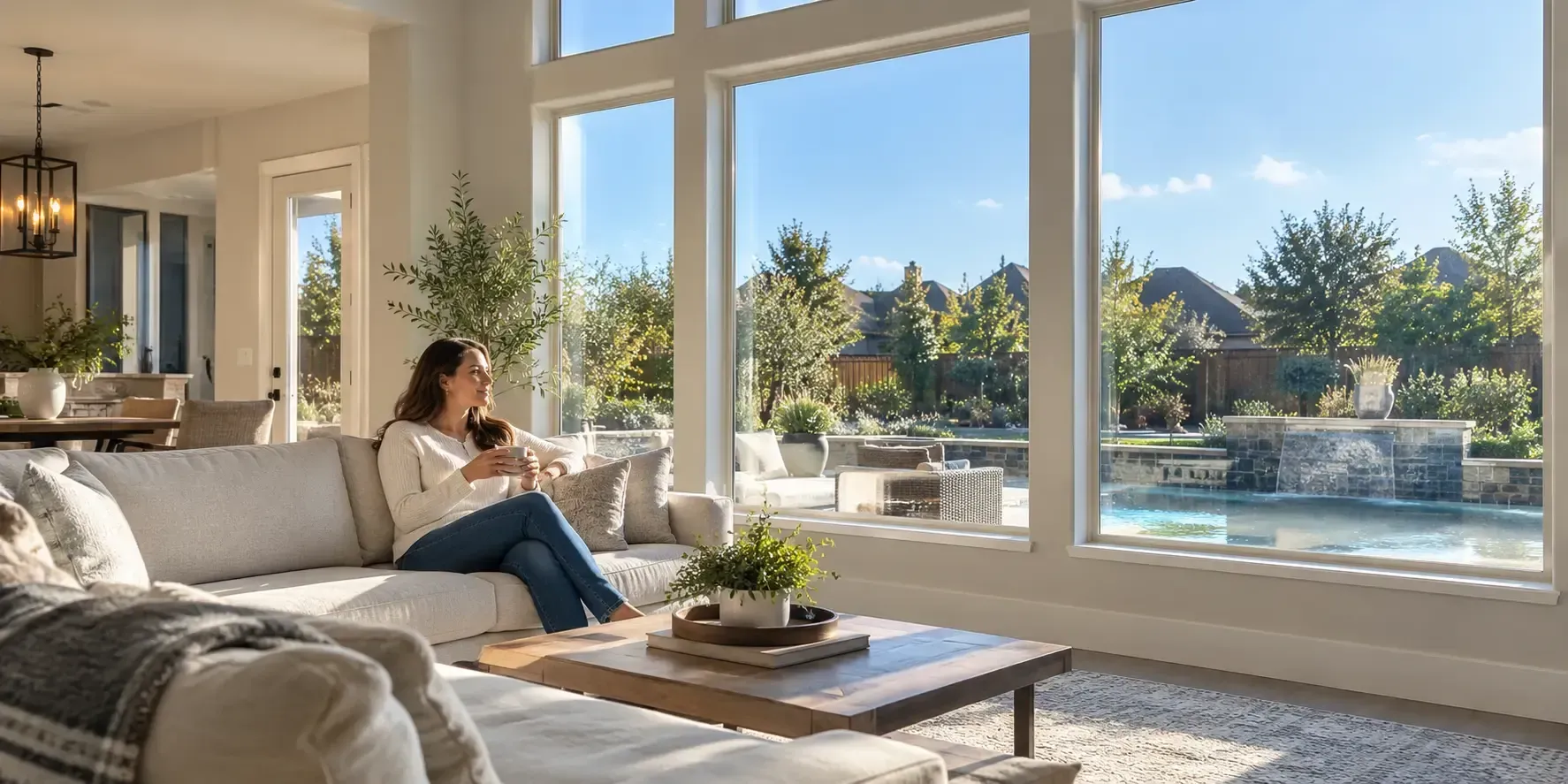
Architectural films prioritize energy efficiency, interior preservation, and long-term stability. Homeowners in Inglewood frequently seek residential tint to lower their summer air conditioning bills and stop the harsh afternoon sun from bleaching their hardwood floors, artwork, and furniture.
Unlike automotive films, residential window tint does not need to shrink. Architectural glass is perfectly flat. Therefore, residential films are thicker and often utilize a dry adhesive system or a completely different chemical bonding agent that cures smoothly against flat glass.
Residential window films focus heavily on solar reflectivity. Depending on the exact product chosen, these films can reject up to 80 percent of total solar energy. They act as a sophisticated shield, bouncing infrared heat and harmful ultraviolet rays away from the property.
In addition to standard solar control films, homeowners also have access to specialized decorative films for bathroom privacy and heavy duty security films designed to hold shattered glass intact during an attempted break in or severe storm.
Material and Performance Comparison
Selecting the right film involves comparing technical specifications. The following table outlines the distinct engineering variations between automotive and residential window tinting products.
| Feature | Residential Window Tint | Automotive Window Tint |
|---|---|---|
| Where It’s Used | Home windows (living rooms, bedrooms, offices) | Vehicle windows (side, rear, windshield) |
| Main Purpose | Reduce heat, glare, and protect home interiors | Improve driving comfort and privacy |
| Film Design | Thicker film for flat glass surfaces | Flexible film for curved car windows |
| UV Protection | Protects furniture, floors, and curtains | Protects passengers and car interiors |
| Regulations | Few restrictions for homes | Must follow California tint laws |
| Benefits | Energy savings and home comfort | Cooler car interior and stylish look |
Why Swapping Films Causes Costly Damage
The distinction between these products is not merely a marketing tactic. It is a strict matter of physics and material science. Using the wrong product results in severe financial consequences.
If a contractor attempts to install a thick residential security film on a tightly curved car window, the film will fail. The material will not shrink properly, leading to massive fingers, bubbling, and edge peeling. The adhesive will also struggle against the friction of rolling the car windows down.
Conversely, installing an automotive film on a residential double-pane window creates a massive thermal liability. Because automotive films absorb heat to stop it from reaching the driver, putting this material on flat architectural glass causes the windowpane to overheat rapidly. The intense heat buildup between the interior and exterior panes of glass creates structural stress, often resulting in a loud crack as the window shatters from the inside out. Property managers and homeowners must rely on professional installers who understand these technical differences and carry the appropriate inventory for the specific job at hand.
Both home and vehicle upgrades offer exceptional returns on investment through enhanced comfort and asset protection. By relying on knowledgeable local technicians in Inglewood, you guarantee that the correct materials are matched to your specific needs, securing lasting performance and peace of mind.
Frequently Asked Questions
What is the main difference between residential and automotive window tint?
Residential window tint is designed for home windows to improve energy efficiency and protect interiors, while automotive tint is made for vehicle windows to reduce glare, heat, and improve driving comfort.
Does residential window tint help lower energy bills?
Yes. Residential window tint can reduce heat entering the home, which helps lower air conditioning usage and energy costs.
Do both types of window tint block UV rays?
Yes. Both residential and automotive window tints can block up to 99% of harmful UV rays.
How long does window tint usually last?
Most high-quality window tint films can last 10–20 years, depending on the type, quality, and installation.