-1920w.webp)
-1920w.webp)
What Makes Ceramic Window Tint Worth the Investment for Inglewood Drivers?
Ceramic window film provides Inglewood drivers with unparalleled protection against intense Southern California heat and damaging ultraviolet radiation. By utilizing advanced nano-ceramic technology, luxury vehicle owners can maintain cooler cabins, protect sensitive electronic displays, and preserve their high-end interiors for years to come. Investing in a professional installation ensures compliance with state laws while maximizing the long-term resale value of your automobile.
* Blocks up to 99.9 percent of harmful UV rays, protecting both passengers and premium interior materials.
* Rejects massive amounts of infrared heat, improving cabin comfort and reducing strain on vehicle climate control systems.
* Features a completely non-metallic construction that guarantees zero interference with GPS, cellular, and tollway signals.
Driving through Southern California presents a specific set of environmental challenges for automotive enthusiasts and daily commuters alike. The intense, year-round sunlight in Inglewood can quickly turn the interior of a luxury vehicle into an uncomfortably hot environment. Standard factory glass offers minimal defense against the harsh spectrum of solar energy. This constant exposure not only compromises driver comfort but also accelerates the degradation of premium leather seats, custom dashboards, and advanced electronic displays.
For owners of luxury sedans, performance vehicles, and modern electric cars, finding a reliable method to mitigate these environmental effects is a top priority. Ceramic window film has emerged as the premier solution for sophisticated vehicle owners who demand maximum protection without sacrificing aesthetics. Unlike older tinting methods that merely darken the glass, modern ceramic solutions represent a significant leap in automotive protective technology.
The Science Behind Ceramic Window Tinting
To appreciate the value of this investment, it is helpful to understand the underlying science of nano-ceramic technology. Older generations of window film relied on simple dyes or metallic layers to darken the glass. Those traditional methods absorbed heat or reflected it away, but they came with significant drawbacks such as rapid fading, purple discoloration, and severe interference with electronic signals.
Ceramic film operates on an entirely different scientific principle. Manufacturers embed microscopic, non-conductive ceramic particles directly into the layers of the film. These nanoparticles are incredibly efficient at filtering out specific wavelengths of light. They target the infrared spectrum, which is the primary source of the heat you feel inside the cabin, while allowing visible light to pass through clearly. The result is a highly durable shield that maintains the structural integrity of the glass, offers crystal-clear visibility, and actively repels solar heat.
Why a Professional Window Tinting Service is Crucial for Inglewood Residents
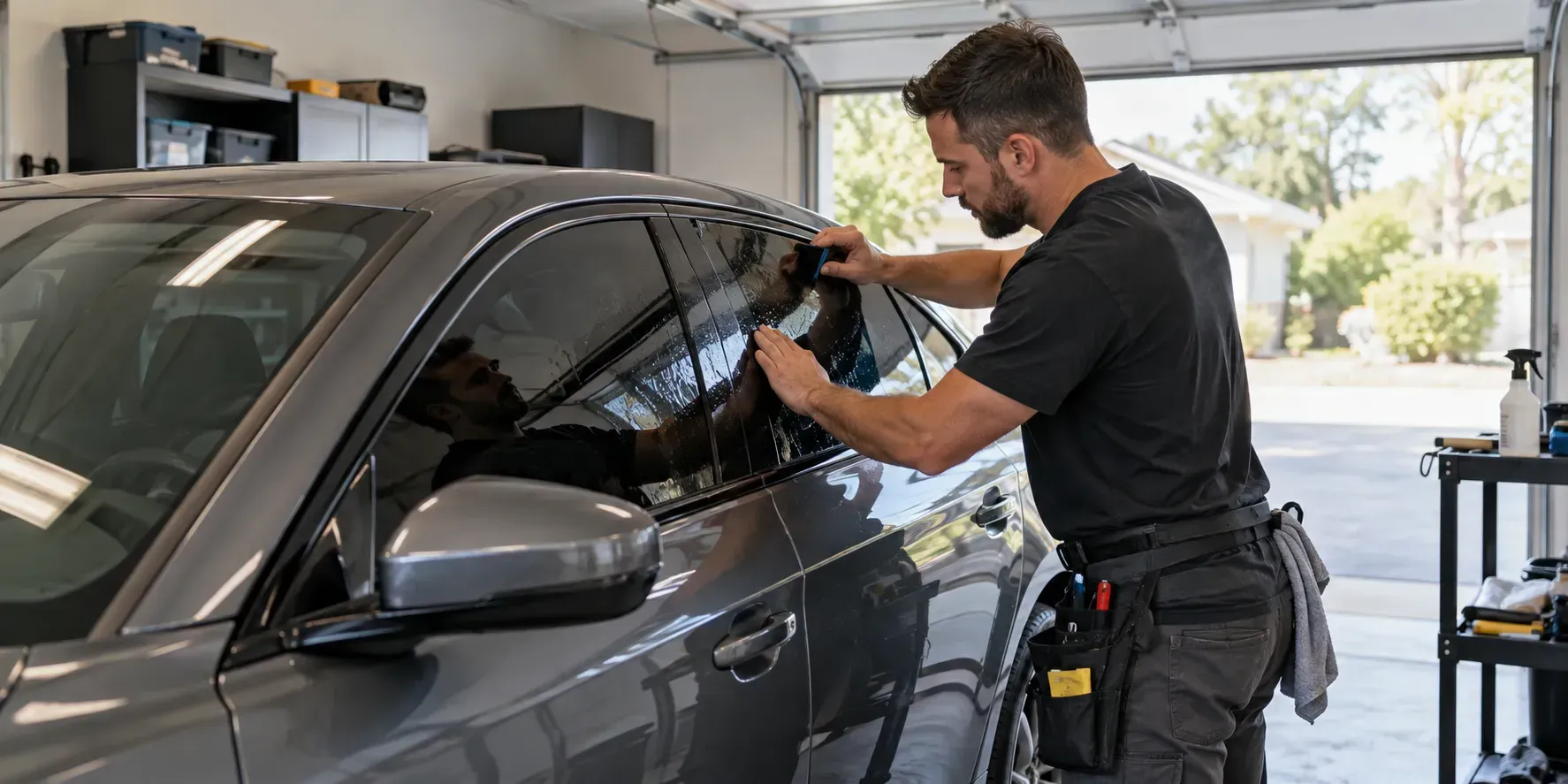
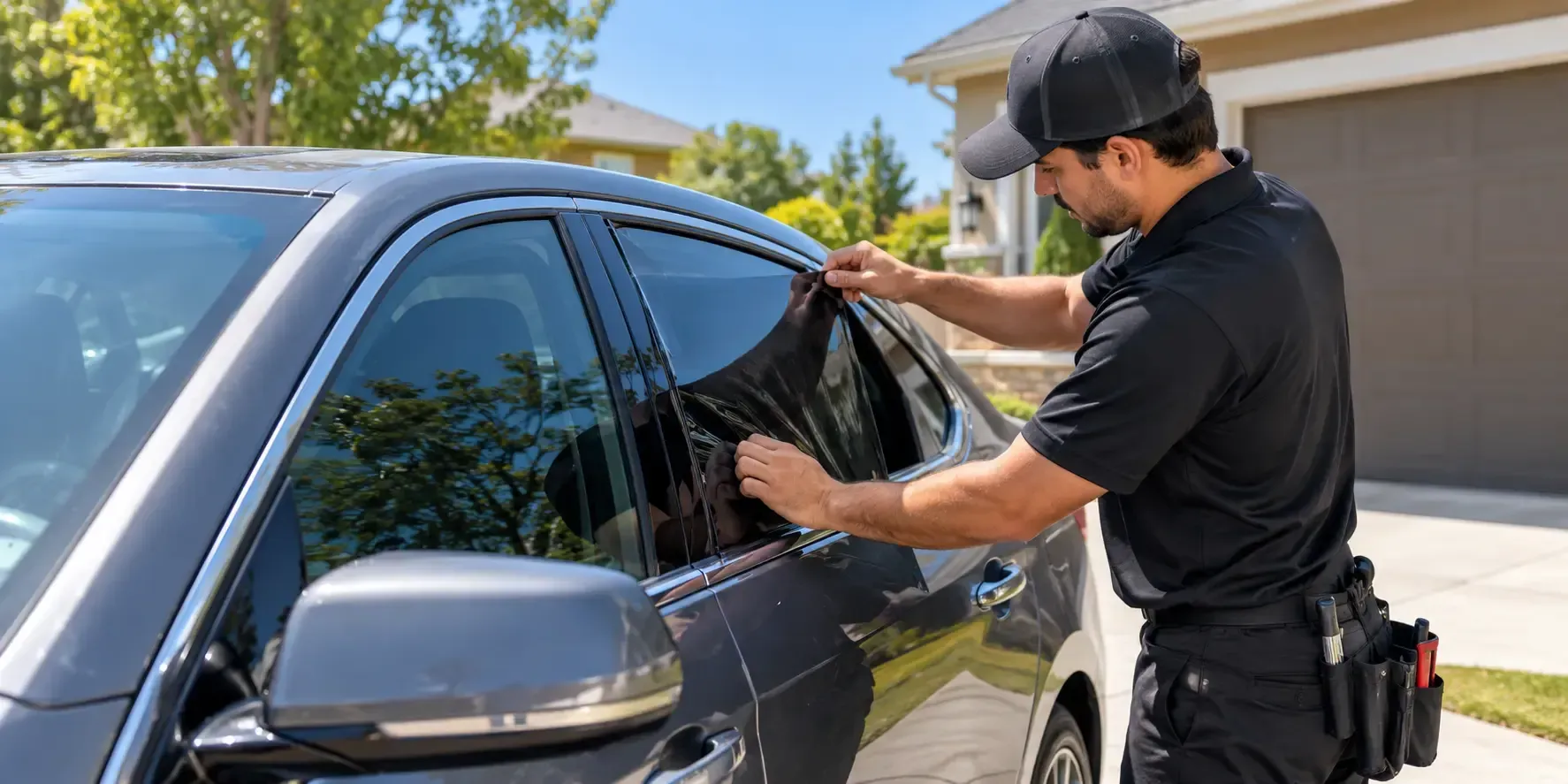
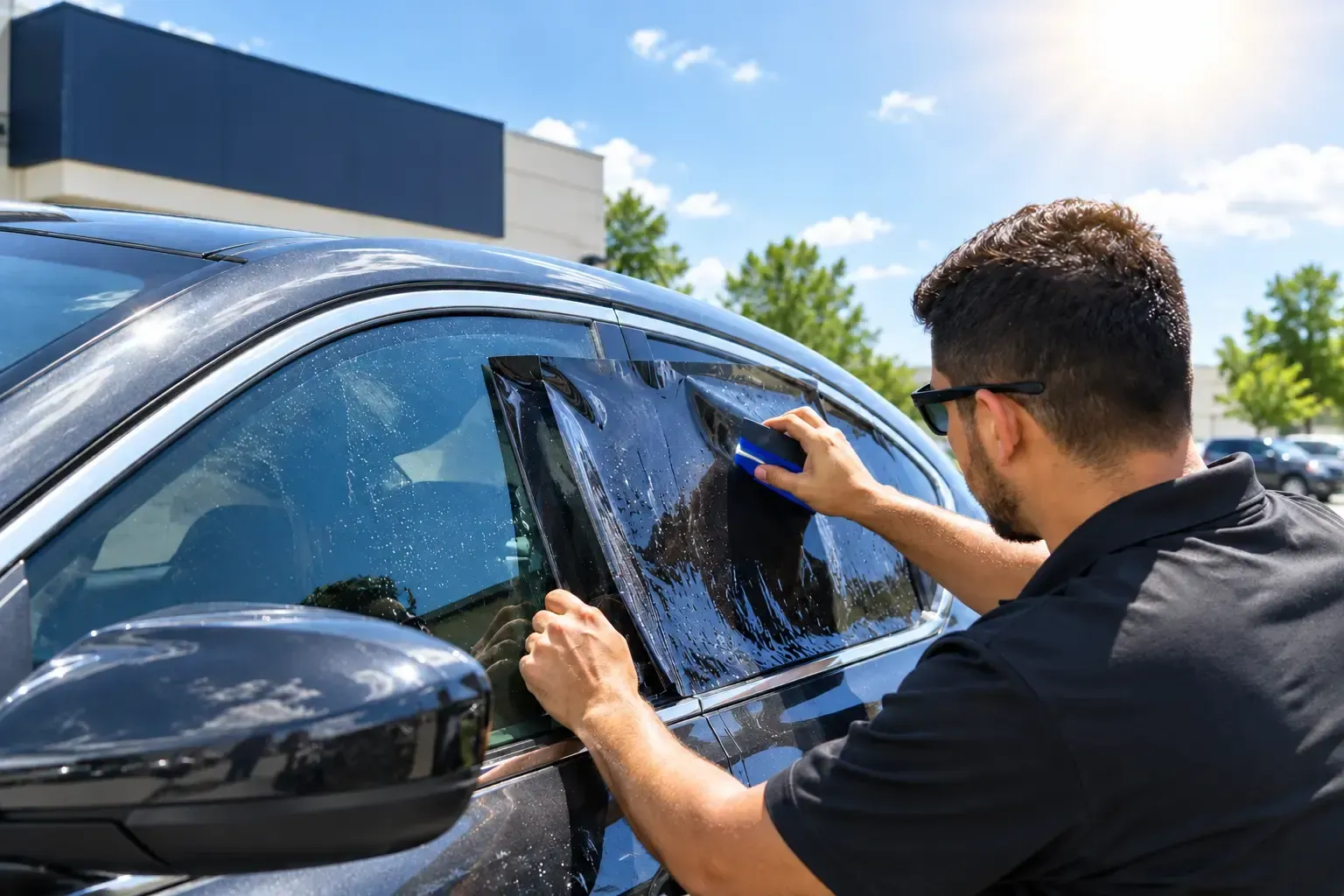
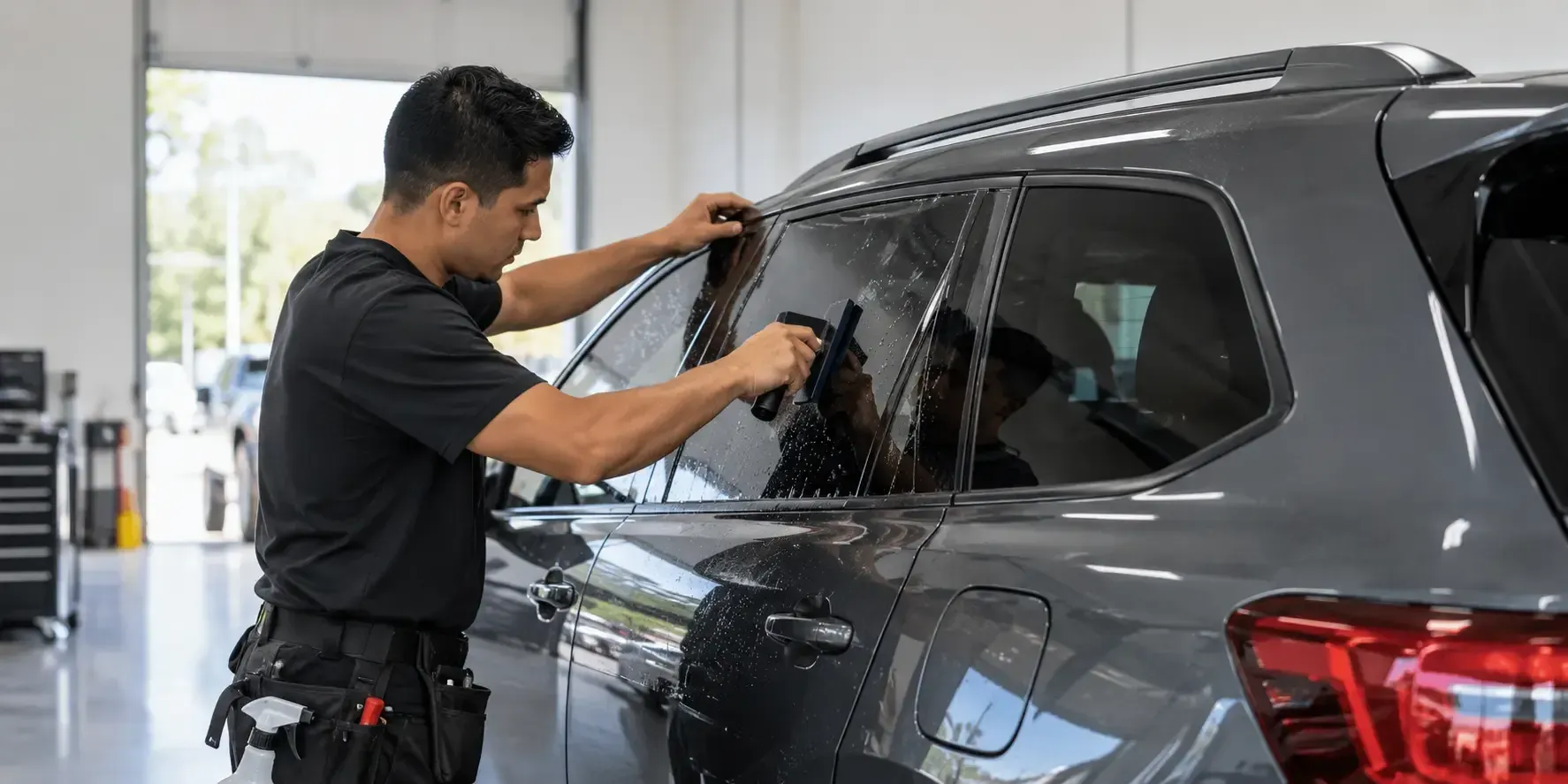
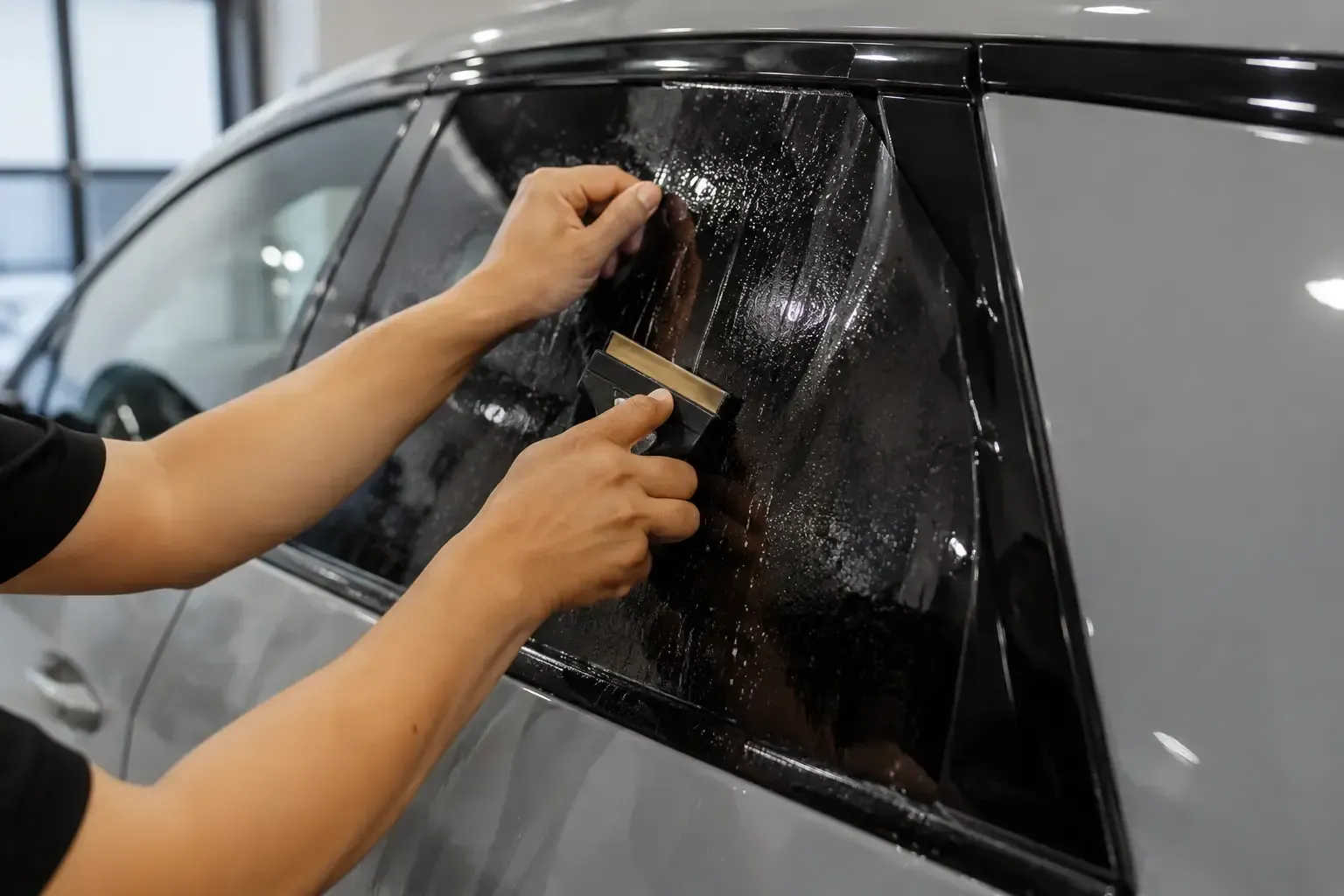
Securing the benefits of advanced nano-ceramic film requires precise application. Selecting a professional window tinting service ensures that the product performs exactly as engineered. The unique climate in Inglewood demands a flawless installation. Even microscopic dust particles or slight misalignments can compromise the visual clarity and the thermal performance of the film.
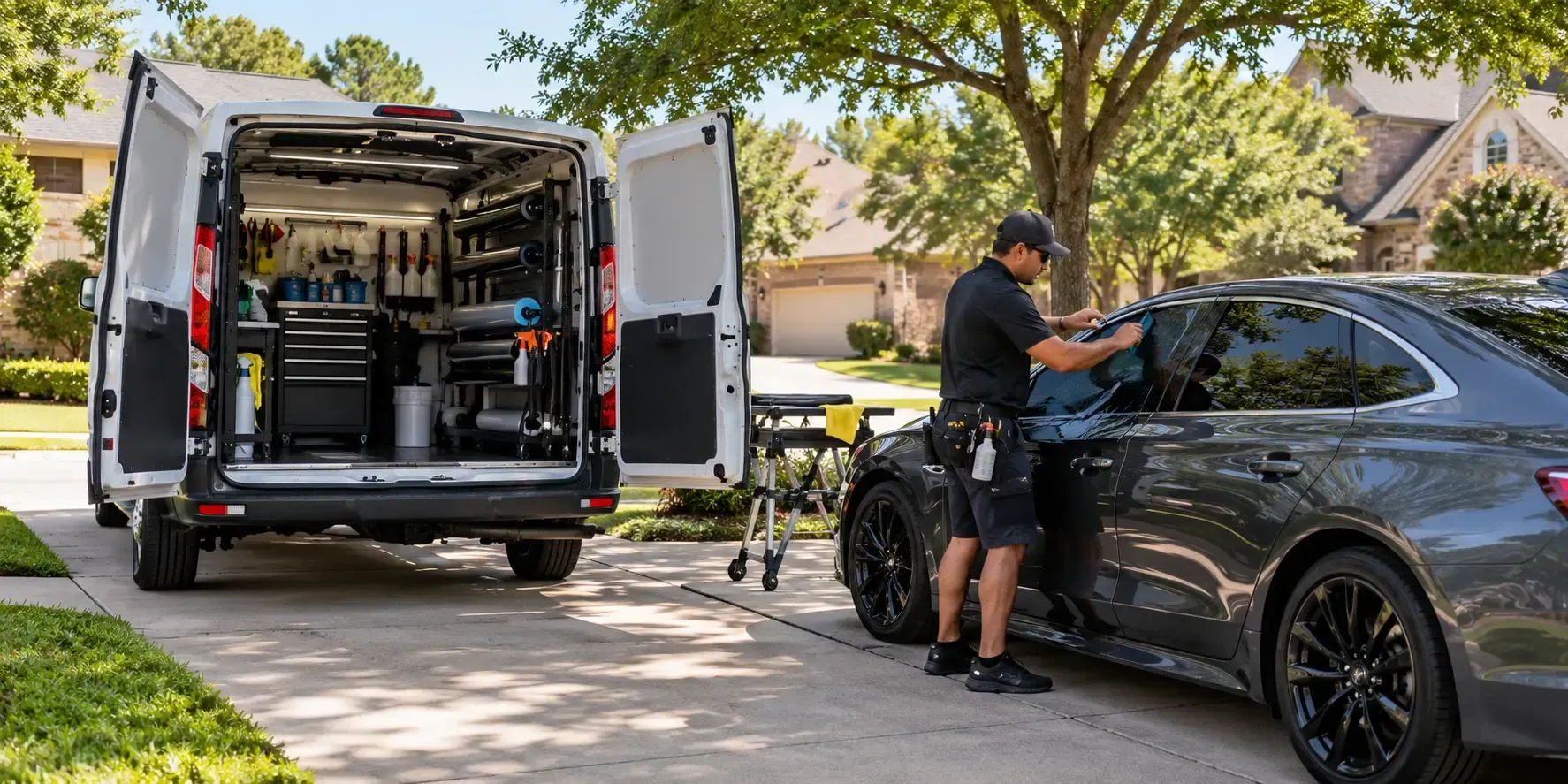
Experienced technicians utilize specialized tools, climate-controlled environments, and refined techniques to heat-shrink the film perfectly to the curvature of your specific vehicle. The complex, sweeping glass roofs of modern electric vehicles, for instance, require extreme precision to cover seamlessly. When you invest in high-end automotive protection for a new SUV or a luxury performance car, the quality of the installation is just as critical as the quality of the film itself.
Improperly installed tint can bubble, peel, or distort your view, creating safety hazards during heavy Los Angeles traffic. A dedicated professional approach guarantees a seamless finish that looks identical to factory glass while delivering unparalleled protective benefits.
Unmatched Heat Rejection for Southern California Commutes
Anyone who regularly navigates the 405 freeway or handles afternoon traffic near LAX understands the frustration of a sweltering vehicle interior. Ceramic window film excels at infrared heat rejection. High-quality ceramic options can block up to 99 percent of the sun's infrared rays. This dramatic reduction in thermal transfer keeps the cabin significantly cooler, even when the vehicle is parked in direct sunlight for extended periods.
A cooler interior reduces the burden on your vehicle's air conditioning system. For drivers of electric vehicles, running the climate control less frequently translates directly into better battery efficiency and extended driving range. The immediate comfort of stepping into a climate-managed cabin is a daily reminder of why this upgrade is highly valued by automotive enthusiasts and busy professionals.
Complete UV Protection for Vehicle Interiors and Passenger Health
Beyond temperature control, the sun emits harmful ultraviolet radiation that causes irreversible damage over time. Ceramic films block up to 99.9 percent of both UVA and UVB rays. This near-total elimination of ultraviolet light is essential for preserving the pristine condition of expensive interior materials. Without adequate protection, premium leather upholstery will dry out, crack, and lose its original color.
Dashboard plastics and carbon fiber trims are equally vulnerable to fading and warping under constant UV exposure.
Furthermore, this protective barrier provides significant health benefits for the driver and passengers. Prolonged exposure to UV rays through vehicle windows is a known contributor to premature skin aging and an increased risk of skin conditions. Ceramic tint acts as a permanent, high-performance sunscreen for your vehicle and everyone inside it.
| Tint Technology | Heat Rejection (IR Block) | UV Protection | Signal Interference | Expected Lifespan |
|---|---|---|---|---|
| Dyed Window Film | Low (10% to 20%) | Minimal | None | 1 to 3 Years |
| Metallized Film | Moderate (30% to 50%) | High | Yes (Radio, GPS) | 3 to 5 Years |
| Carbon Window Film | High (50% to 70%) | High | None | 5 to 7 Years |
| Ceramic Window Film | Maximum (85% to 99%) | 99.9% | None | 10+ Years (Lifetime) |
Preserving the Resale Value of Your Luxury Vehicle
For owners of modern electric vehicles, custom trucks, and luxury sedans, preserving the resale value is a critical financial consideration. The secondary market for high-end automobiles strictly evaluates the condition of the interior and the quality of aftermarket modifications. A faded, heat-damaged interior severely diminishes the appraisal value of any vehicle. When a prospective buyer inspects a used luxury SUV, the condition of the leather seats and the dashboard are immediate indicators of how the vehicle was treated.
Conversely, a documented history of premium automotive protection signals to prospective buyers that the car has been meticulously maintained. Ceramic film prevents the interior degradation that typically plagues older vehicles in California. Buyers are actively looking for vehicles that already feature high-quality protective upgrades. By preventing sun damage and enhancing the overall aesthetic appeal of the vehicle, this specific investment pays dividends when it is time to trade in or sell your car.
Navigating California Window Tint Regulations in Inglewood
Automotive styling must always align with local legal frameworks. California enforces specific regulations regarding the allowable darkness of window film on different sections of the vehicle. The front side windows must allow a minimum of 70 percent of visible light to pass through if combined with factory-tinted glass. However, rear side windows and the rear windshield can be tinted to any level of darkness, provided the vehicle is equipped with functioning dual side mirrors.
One of the distinct advantages of nano-ceramic technology is that it does not need to be extremely dark to be effective. A virtually clear ceramic film applied to the front windows will still reject massive amounts of heat and block harmful UV rays while keeping you entirely compliant with state laws. This allows drivers to achieve maximum thermal comfort without risking traffic citations or compromising nighttime visibility.
Secure Long Term Protection for Your Vehicle
Protecting your automotive investment requires choosing the right materials and partnering with experienced technicians. The environmental demands of Southern California make inferior protective films a costly mistake in the long run. By choosing an advanced ceramic solution, you ensure that your daily commute remains comfortable, your interior remains pristine, and your vehicle retains its maximum value over time.
Tint Integrity is committed to providing Inglewood drivers with exceptional automotive protection services. We focus on delivering precise installations that meet the highest standards of the industry. Reach out to our team to discuss the best protective solutions tailored specifically for your vehicle.
Frequently Asked Questions
How long does ceramic window tint last on a vehicle?
High-quality ceramic window film is engineered for exceptional durability and typically lasts for the entire lifespan of the vehicle. Unlike dyed films that fade or turn purple within a few years, ceramic nanoparticles are highly stable and resistant to degradation. Most premium installations come with a manufacturer-backed warranty that covers bubbling, peeling, and color shifting.
Will ceramic tint interfere with my cellular or GPS signals?
No. One of the primary benefits of ceramic technology is its completely non-metallic composition. Older metallized films were known to block or severely weaken radio frequencies, cellular service, GPS navigation, and tollway transponder signals. Ceramic film allows all electronic signals to pass through the glass without any interference, ensuring your modern vehicle systems operate perfectly.
How soon can I roll down my windows after installation?
After a professional installation, you should wait at least three to five days before rolling down your windows. The film requires this curing period to allow the mounting solution to evaporate completely and the adhesive to bond securely to the glass. Rolling the windows down prematurely can cause the edges of the film to catch on the weather stripping, leading to peeling or permanent damage.
Can window tint help reduce glare while driving?
Absolutely. Window tint reduces glare from sunlight, headlights, and reflective surfaces, improving visibility and making driving more comfortable during both daytime and nighttime conditions.