-1920w.webp)
-1920w.webp)

Enhancing Vehicle Performance and Aesthetics with Professional Window Film
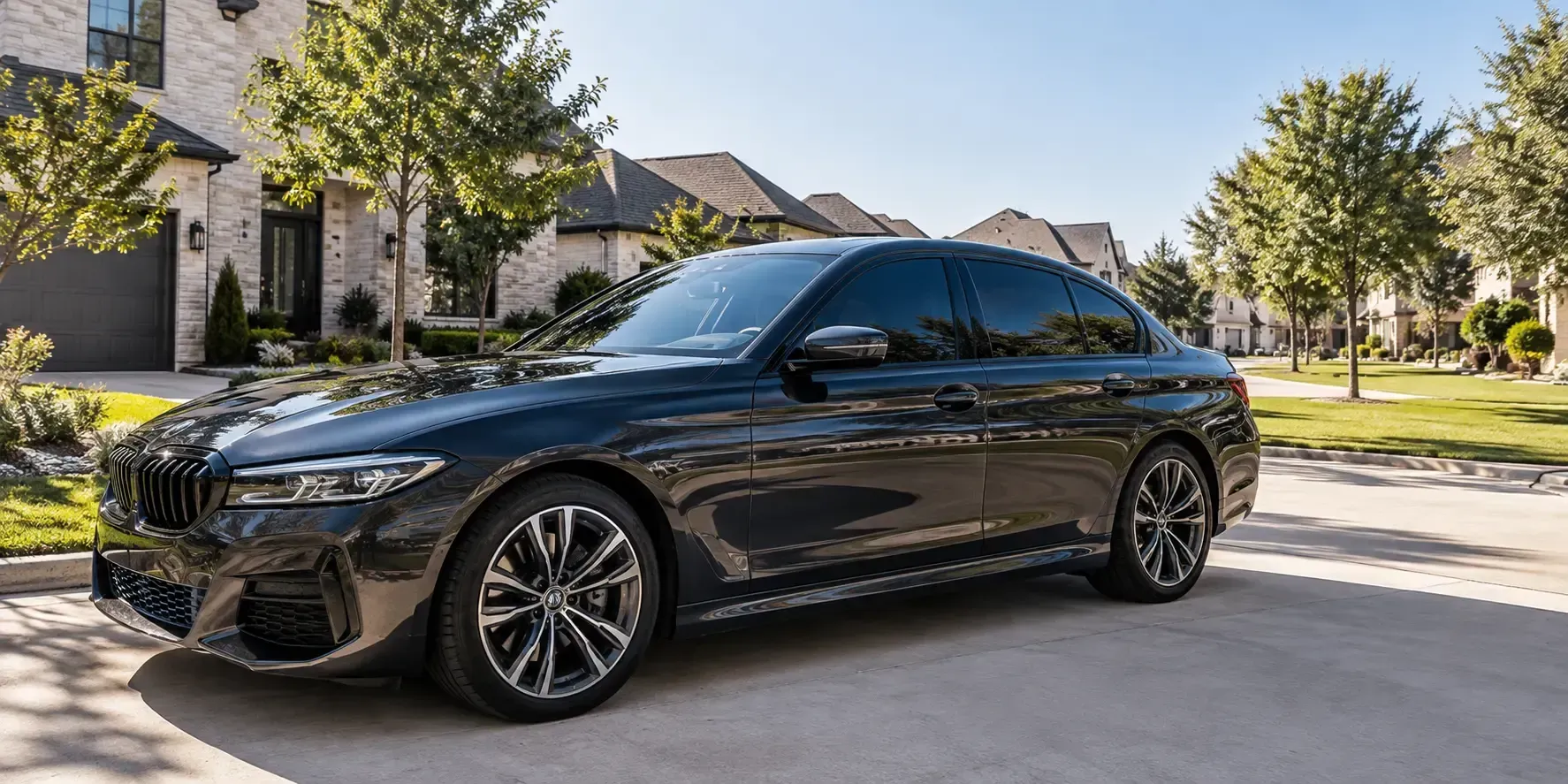
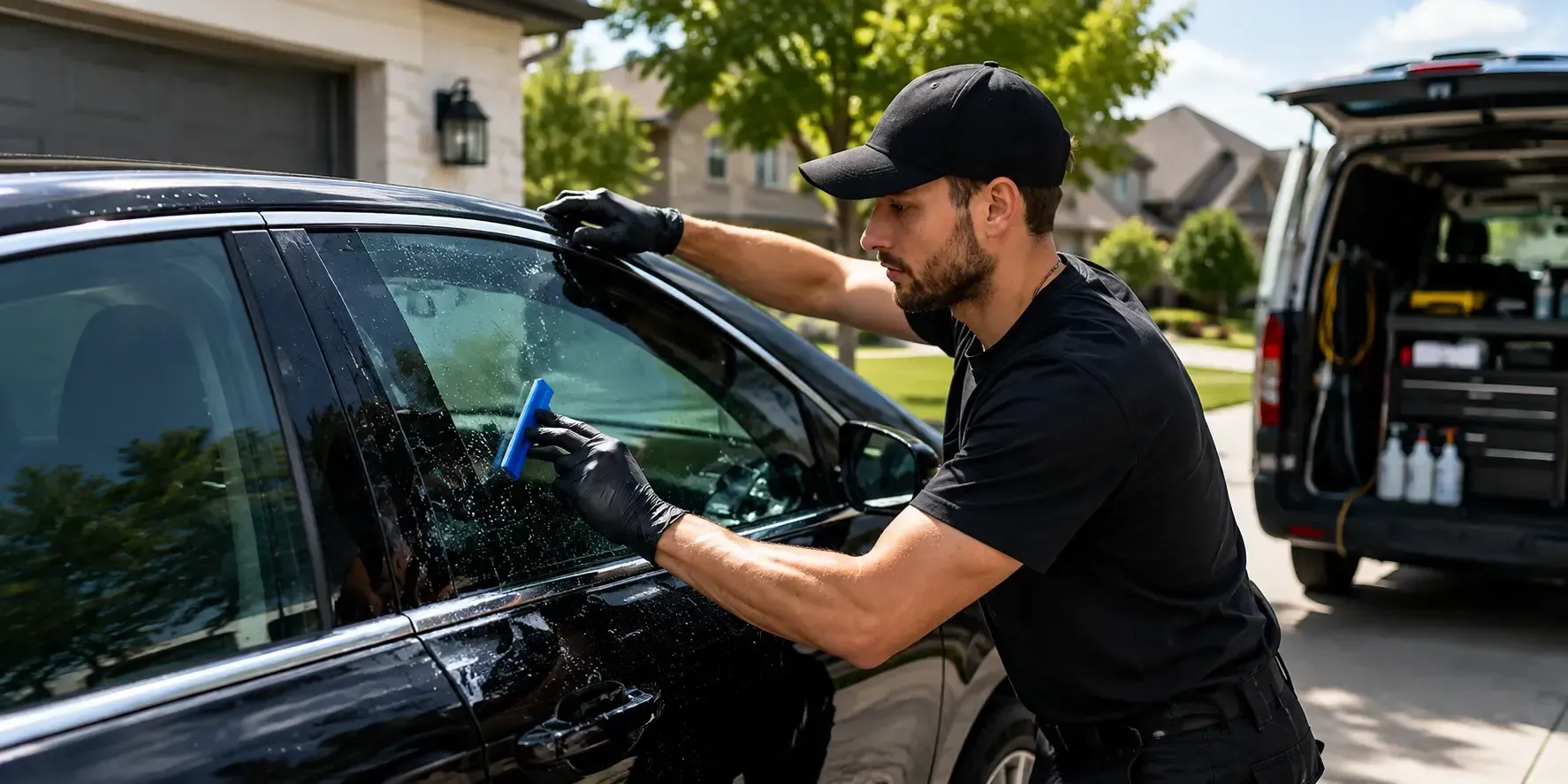
Driving exposes your vehicle interior to intense sunlight, high heat, and damaging ultraviolet radiation. Adding high-quality window film mitigates these factors while improving the exterior appearance of your car. Choosing the right automotive film requires an understanding of material science, legal constraints, and application techniques. At Tint Integrity, we focus on delivering precise installations that maximize the lifespan of your vehicle interior. Whether you commute daily or take long road trips, upgrading your auto glass provides immediate, measurable improvements to your driving experience.
The Physics Behind Automotive Window Film
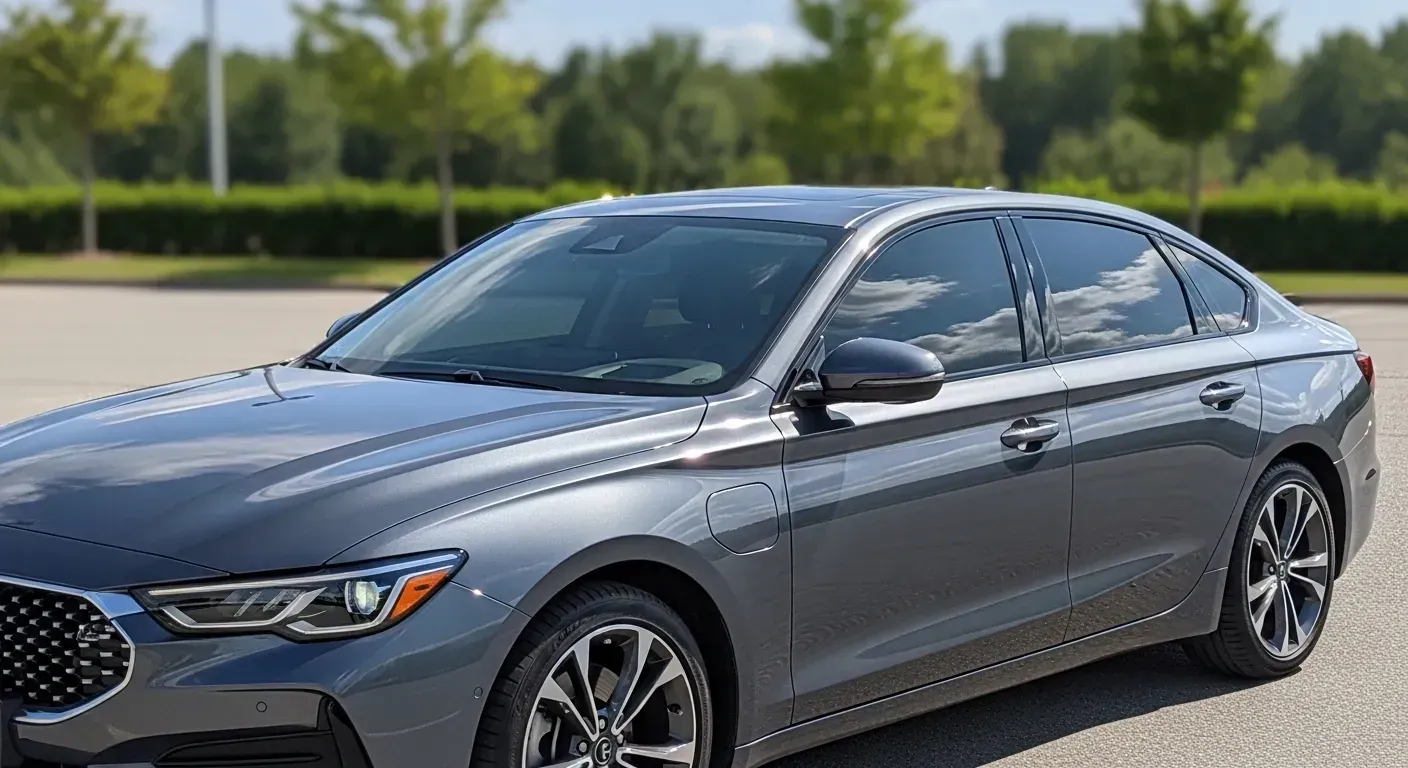
Unprotected auto glass allows radiant heat and ultraviolet rays to penetrate the cabin freely. This results in uncomfortable interior temperatures and accelerated fading of upholstery, dashboard plastics, and leather seating. Prolonged exposure also poses a direct risk to your skin during long commutes. Applying specialized automotive window tinting creates a highly effective protective barrier against these elements.
Advanced films utilize micro-thin layers of durable polyester infused with stable dyes, metallic alloys, or microscopic ceramic particles to block specific wavelengths of light. The manufacturing process demands strict quality control to ensure optimal optical clarity. The primary functions of these films include:
- Solar Energy Rejection: Reducing the total solar heat energy entering the vehicle.
- Ultraviolet Blocking: Stopping up to 99 percent of harmful UVA and UVB rays.
- Glare Reduction: Softening harsh sunlight and glaring headlights from trailing vehicles.
- Shatter Resistance: Holding broken glass panes together during an impact to protect passengers from flying shards.
Choosing Reliable Tinting Services
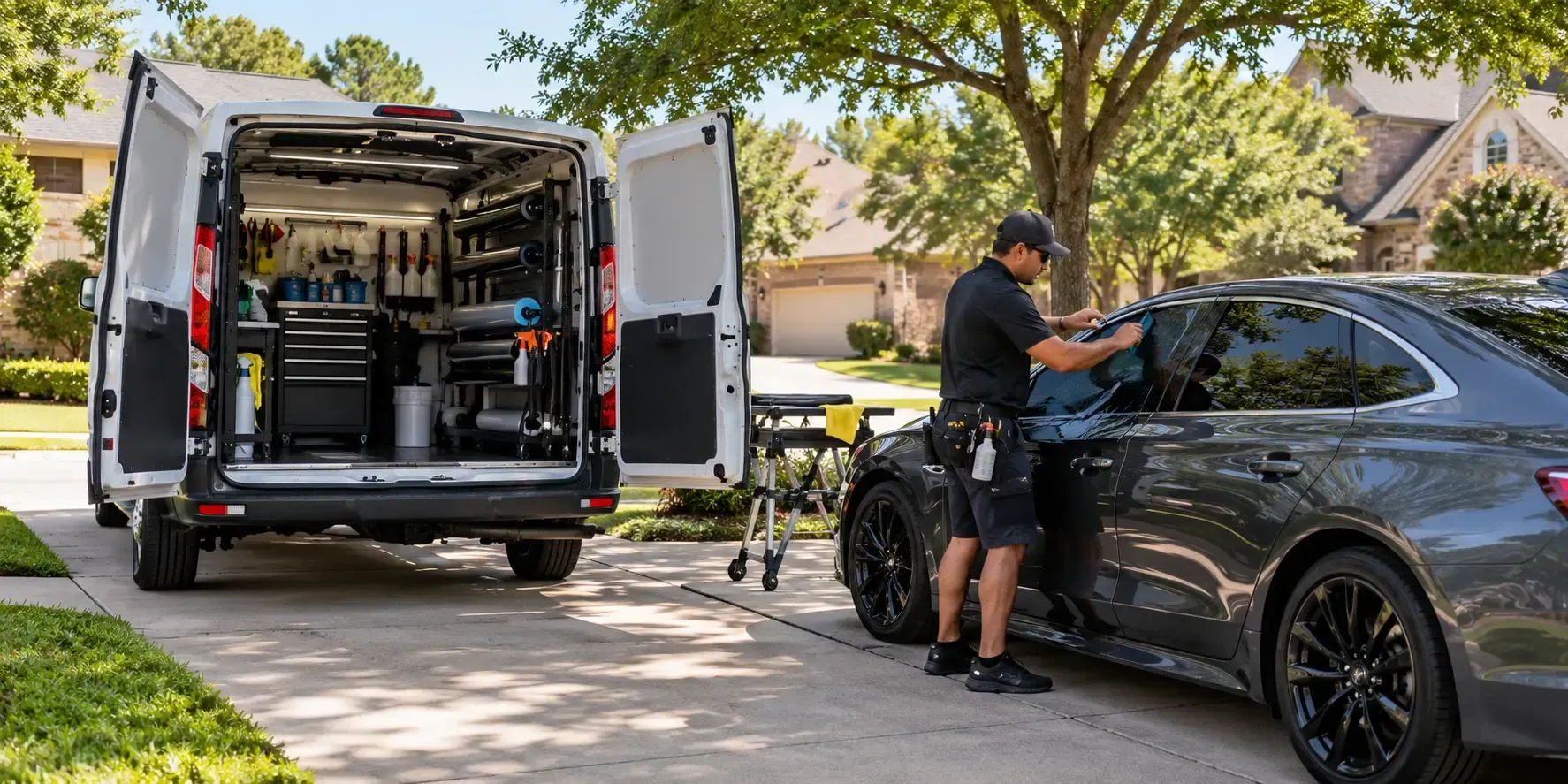
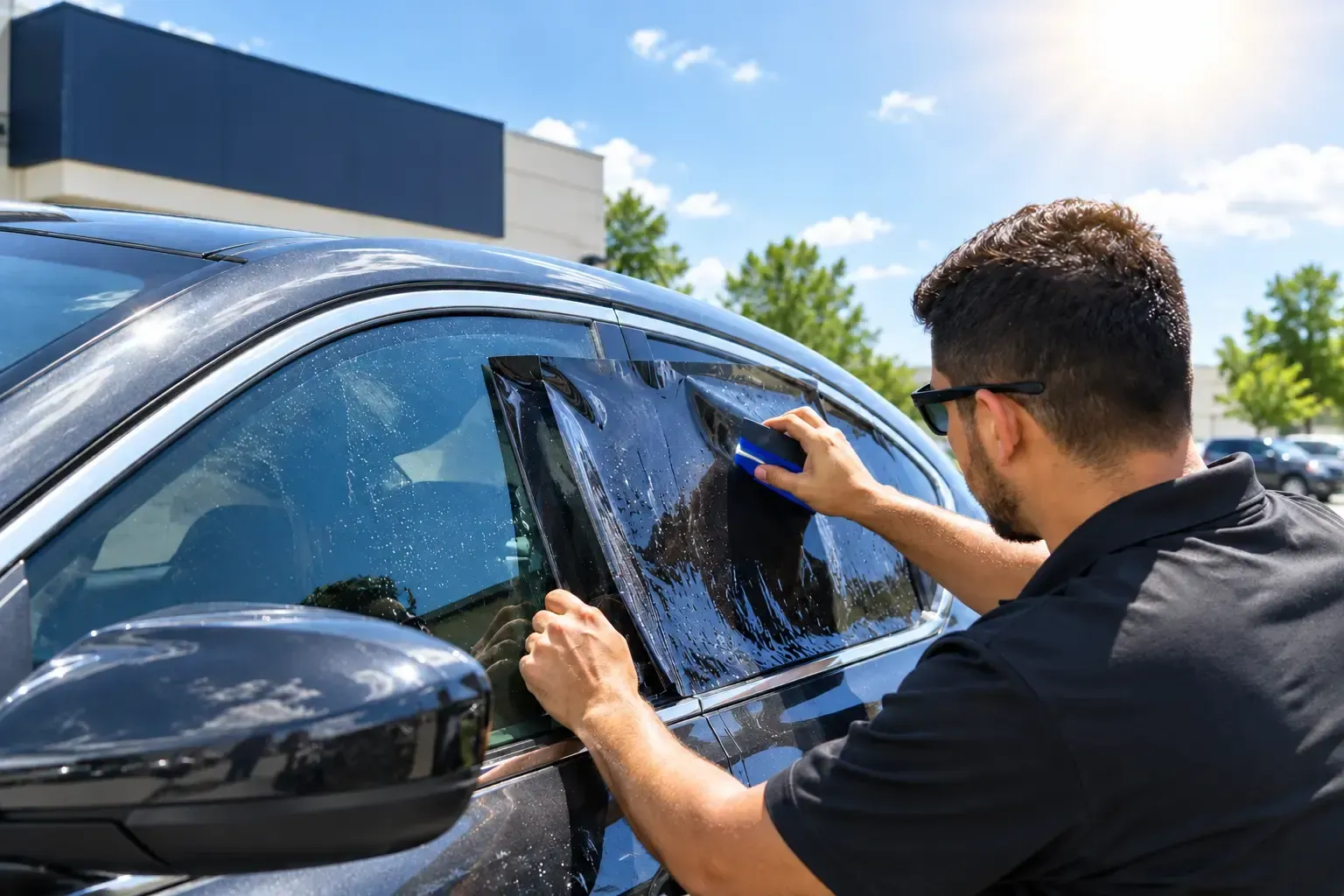
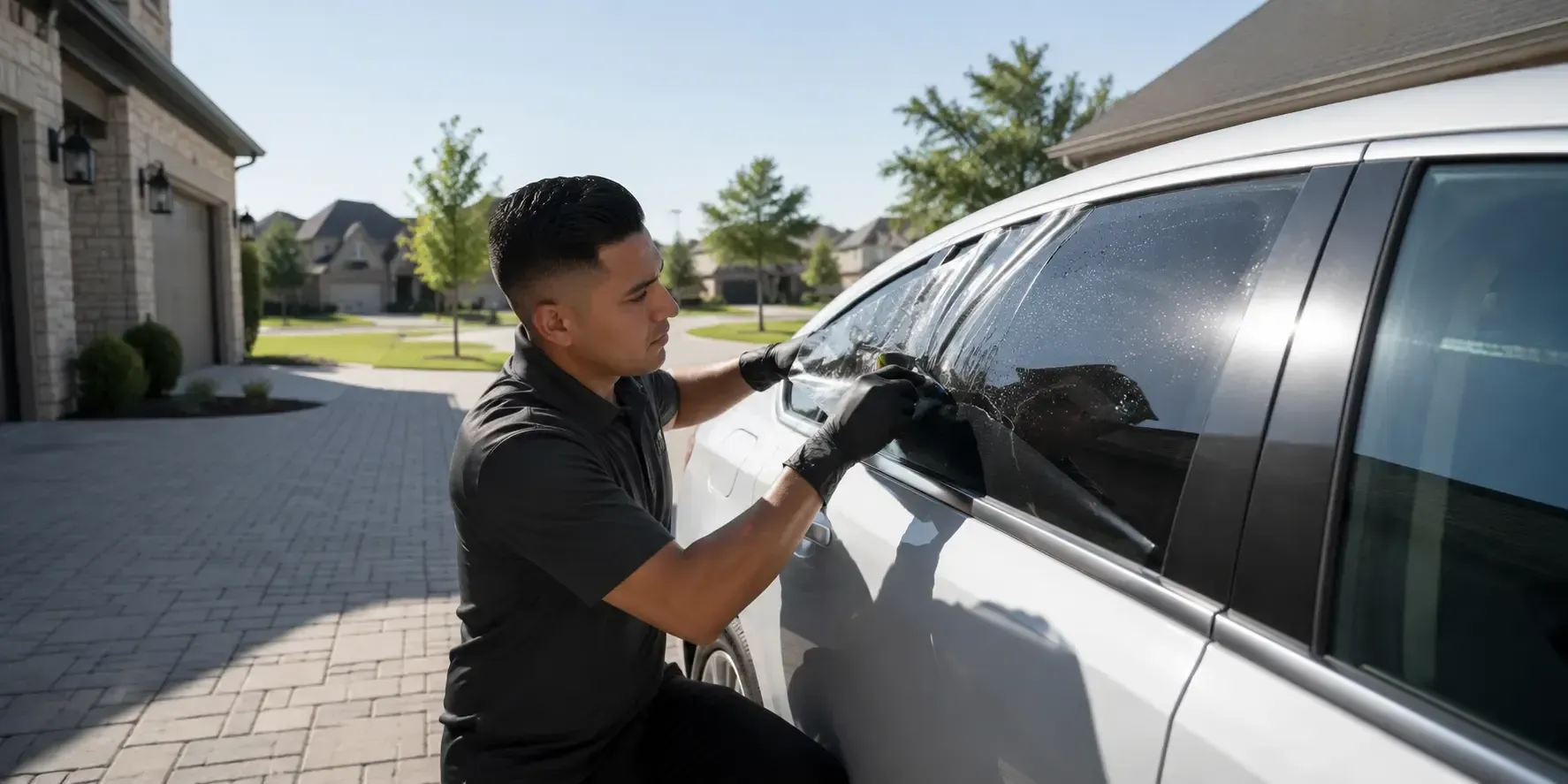
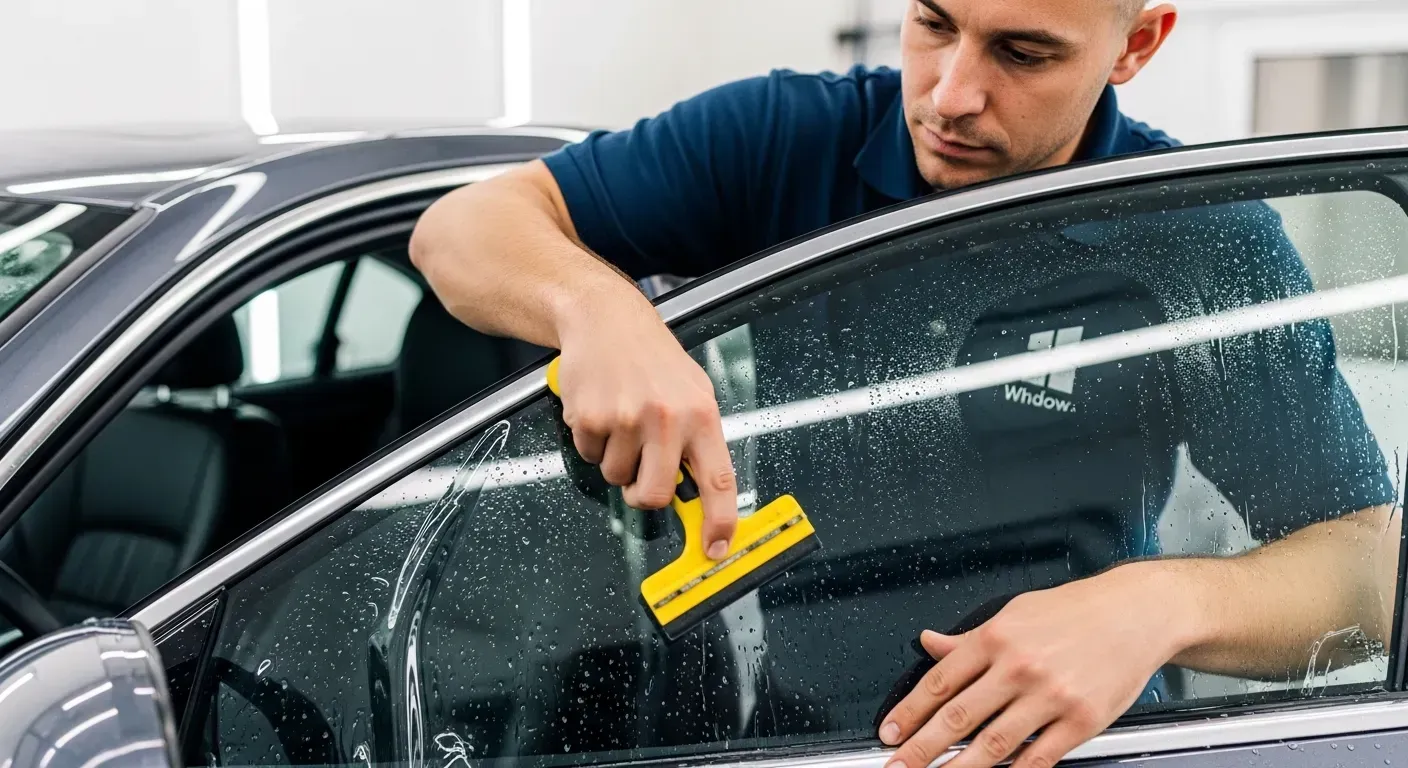
Selecting the proper film is only one part of the equation. The quality of the installation directly dictates the longevity and performance of the product. Inferior applications often lead to bubbling, peeling, or a highly noticeable purple discoloration after just a few months of intense sun exposure. This is why investing in professional Tinting Services is crucial for long-term satisfaction and true value.
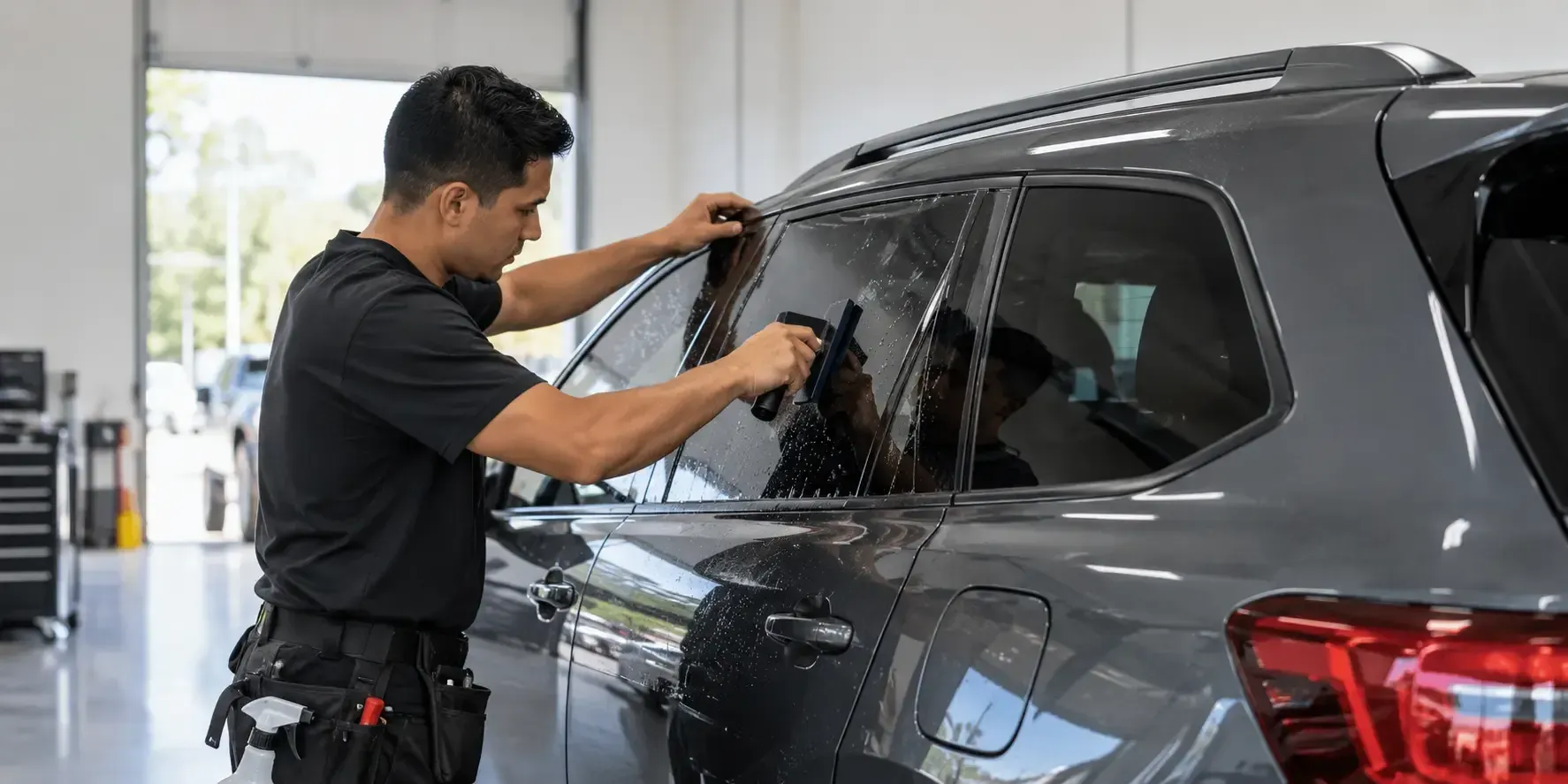
Expert installers operate in dedicated, climate-controlled, and dust-free environments. This prevents microscopic airborne debris from trapping between the glass and the adhesive layer. Professional technicians also utilize advanced heat shrinking techniques to mold the two-dimensional film precisely to the complex curvature of modern vehicle windows. This guarantees a secure bond along the very edges of the glass. You can learn more about our commitment to strict installation precision by reading about our methodology and standards.
To make an informed decision regarding your vehicle, it is helpful to understand the distinct types of materials used in the industry today.
Window Film Material Comparison
The following table outlines the technical differences between common automotive window films.
Elevating Your Ride with Pro Classic Films
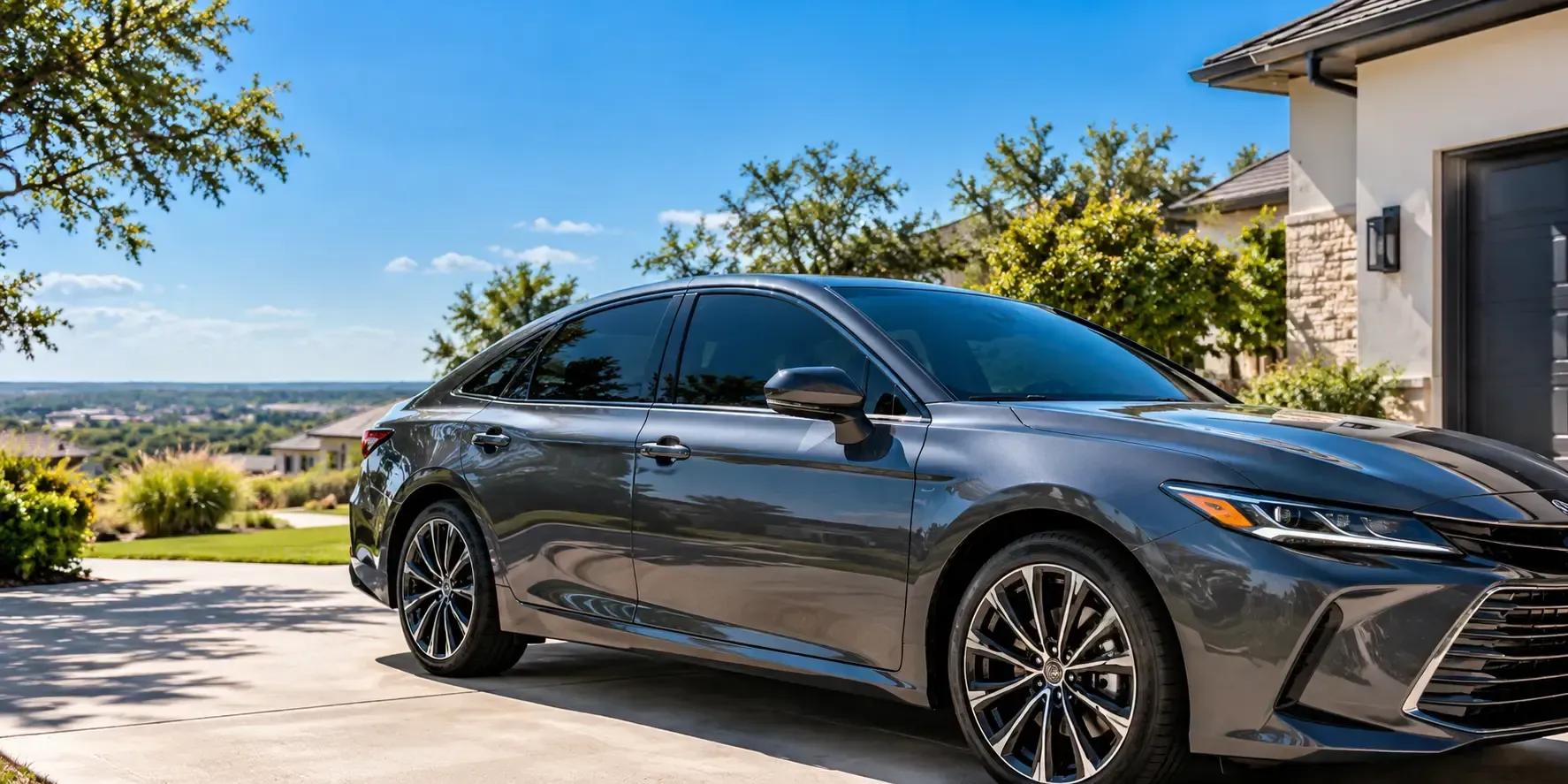
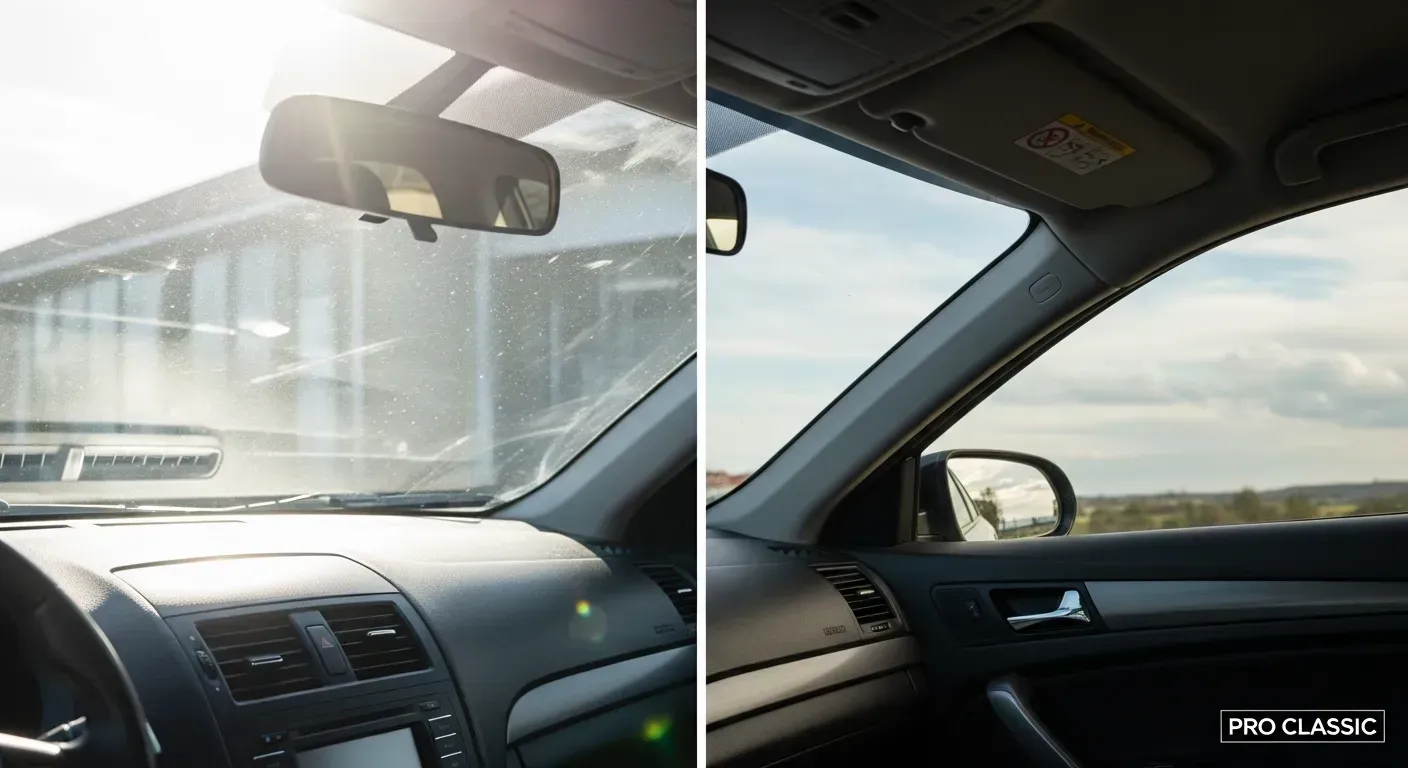
Not all dyed films are created equal. Modern manufacturing has drastically improved the stability and colorfastness of standard films. If you are looking for a reliable, cost-effective way to upgrade your vehicle, the Pro Classic line offers an excellent entry point into professional automotive tint.
These films provide the deep, charcoal appearance that drivers desire without the reflective, mirror-like finish associated with older metallized products. They are specifically engineered to resist fading and shifting colors. This ensures your vehicle maintains its sleek profile year after year. The non-metal construction also guarantees that your GPS, satellite radio, and cellular signals remain entirely uninterrupted while you navigate the roads.
Crossover Technology for Flat Glass Applications
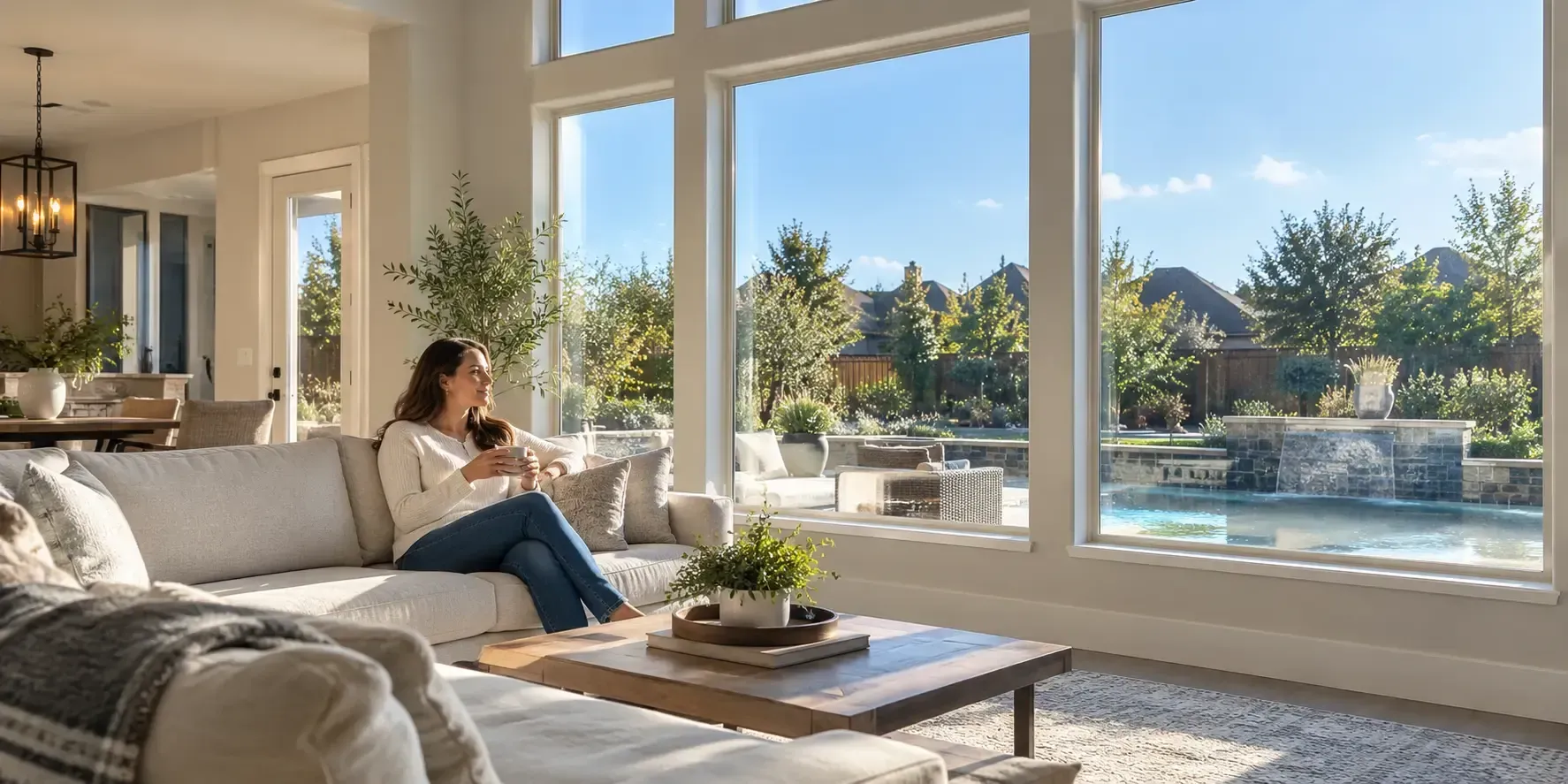
The same core principles that make automotive films so effective translate perfectly to commercial and residential structures. Buildings with large, untreated windows face identical issues with severe heat buildup, blinding glare, and UV damage to valuable interior furnishings. The technology used in cars is adapted into architectural window tinting solutions specifically designed for flat glass.
Applying film to a commercial storefront or a residential sunroom drastically reduces cooling costs and creates a more comfortable interior environment for occupants. The visual consistency and energy efficiency of these architectural films offer substantial returns on investment. For a practical example of how these commercial installations perform in real-world scenarios, review our recent analysis on maximizing comfort and efficiency with architectural window tinting in Inglewood.
Scheduling Your Installation Appointment
Upgrading your vehicle starts with a thorough consultation. During this phase, professionals evaluate your specific needs, discuss your budget, and explain the local legal limits for window darkness. Every state has distinct laws regulating visible light transmission levels for front, rear, and back windows. A reputable shop will ensure your vehicle remains compliant while achieving the aesthetic and functional goals you have in mind.
The installation process typically takes a few hours depending on the size of the vehicle and the complexity of the glass curvature. Once applied, the film requires a short curing period. Moisture naturally trapped under the surface will evaporate over a few days, leaving a completely clear, flawless finish. We highly recommend keeping the windows rolled up during this initial curing phase to prevent accidental peeling.
If you are ready to protect your interior and upgrade your daily commute, reach out to secure your spot. Contact us today to schedule a consultation and find the exact film formulation for your specific vehicle.
Frequently Asked Questions
How long does the installation process typically take?
Most standard sedan installations are completed within two to four hours. Larger vehicles, SUVs, or vehicles with complex, heavily curved rear glass may require additional time. We always suggest dropping your vehicle off for a half-day to ensure our technicians can work meticulously without rushing the sensitive curing or inspection phases.
Will window film bubble or turn purple over time?
High-quality carbon and ceramic films are manufactured without the cheap dyes that cause fading and severe discoloration. Furthermore, professional application techniques prevent the total adhesive failure that leads to bubbling. When you choose premium materials installed by certified technicians, your investment remains clear, color-stable, and firmly attached to the glass for years.
How should I clean my windows after the film is applied?
You must wait at least seven days after installation before cleaning the interior of your windows to allow the adhesive to fully cure to the glass. Once cured, always use a soft microfiber cloth and a mild, ammonia-free glass cleaner. Ammonia degrades the protective scratch-resistant coating on the film and will cause premature deterioration over time.