-1920w.webp)
-1920w.webp)
Which Window Tint Shade Is Best? A Breakdown of Tint Levels and Benefits
Choosing the right window tint for your vehicle is about more than just aesthetics; it’s a crucial decision that impacts your comfort, privacy, and even your safety on the road. With a wide array of shades and materials available, understanding the different levels and their benefits is key to making an informed choice. Whether you're looking for significant heat reduction, enhanced privacy, or simply a sleek new look for your car, this guide will break down everything you need to know about window tint percentages.
Understanding Window Tint Percentages (VLT)
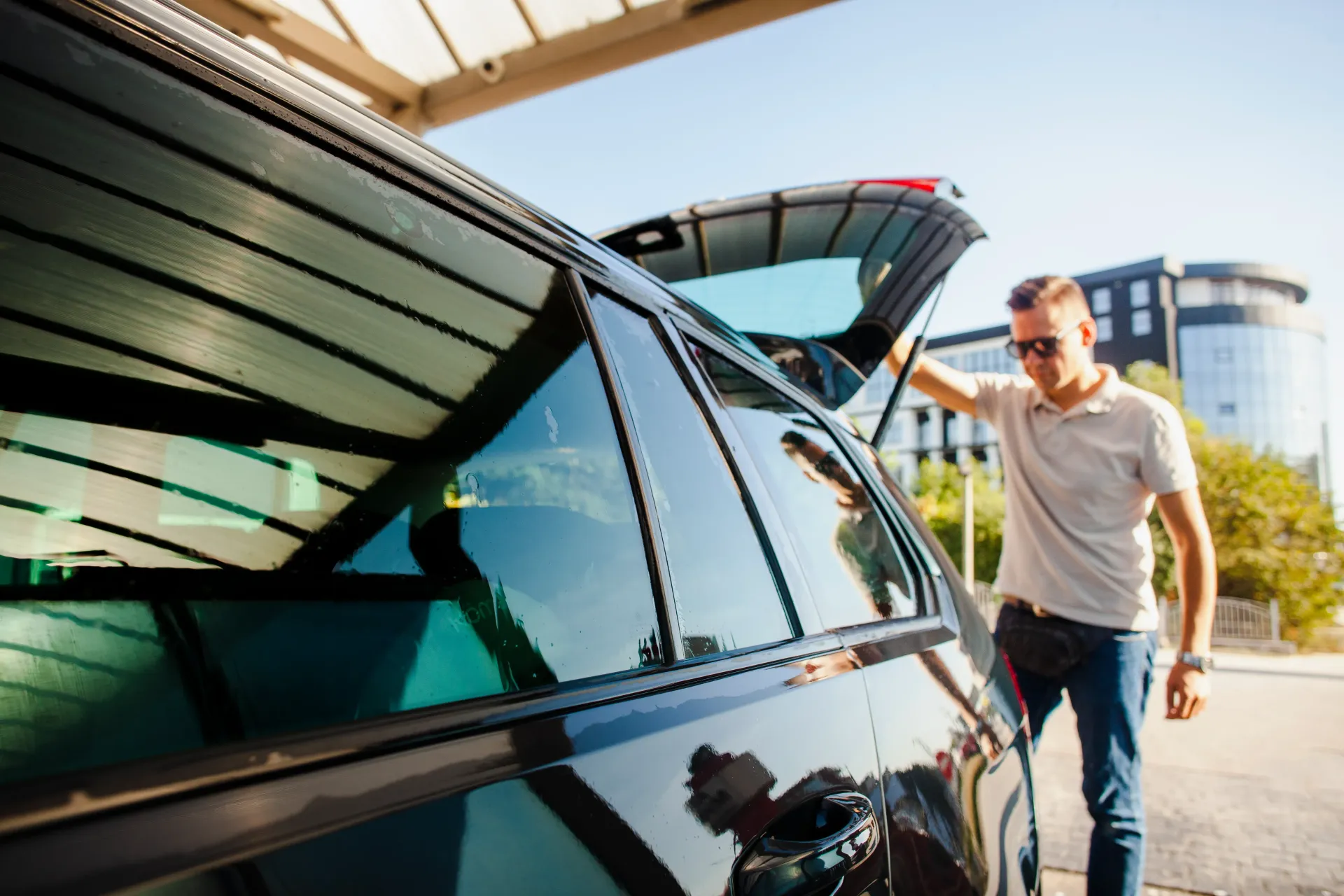
When you see a number associated with a window tint, like 5%, 20%, or 35%, that figure refers to its Visible Light Transmission (VLT). VLT is the percentage of visible light that can pass through the tinted window. The lower the VLT percentage, the darker the tint will be.
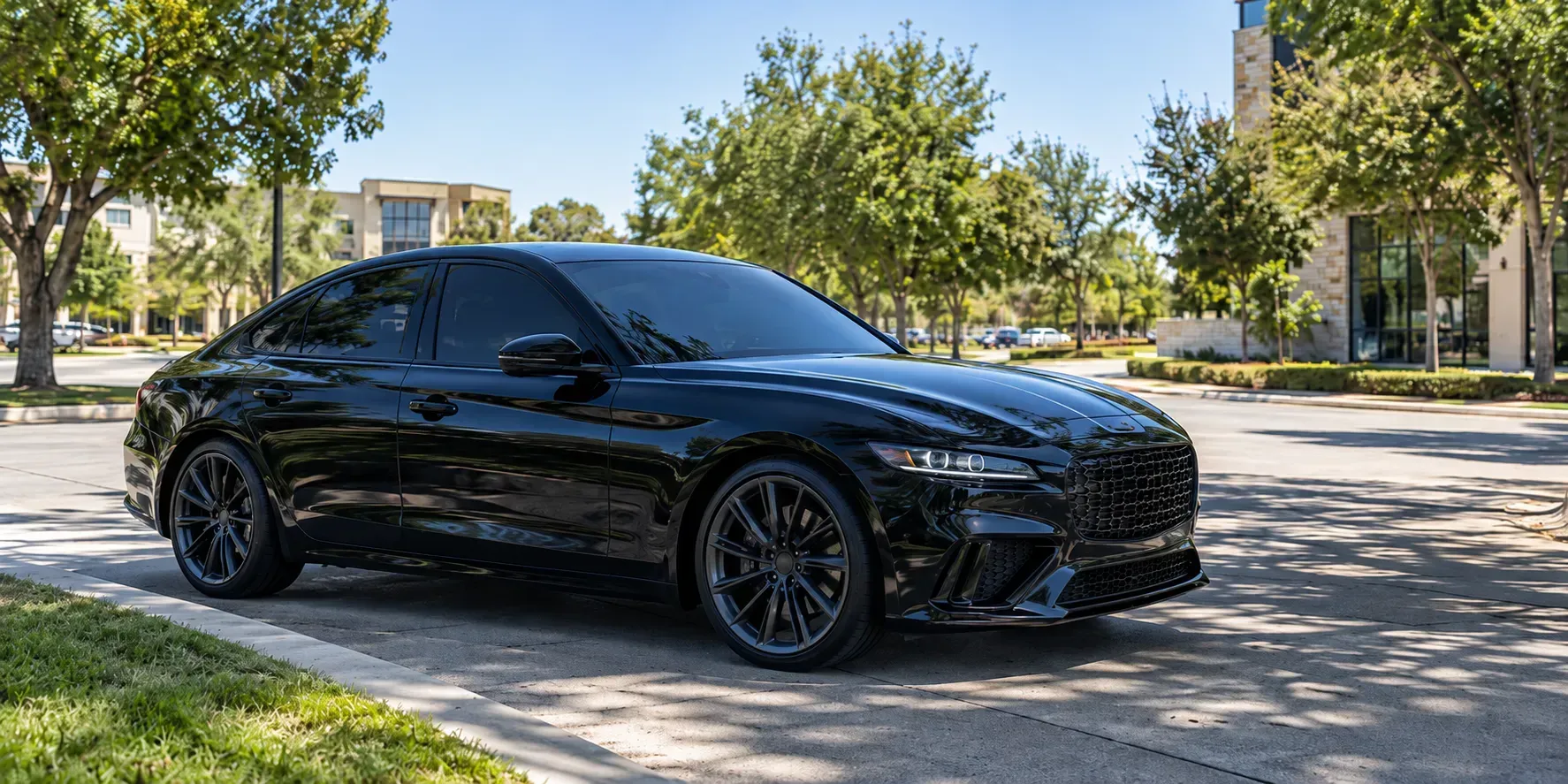
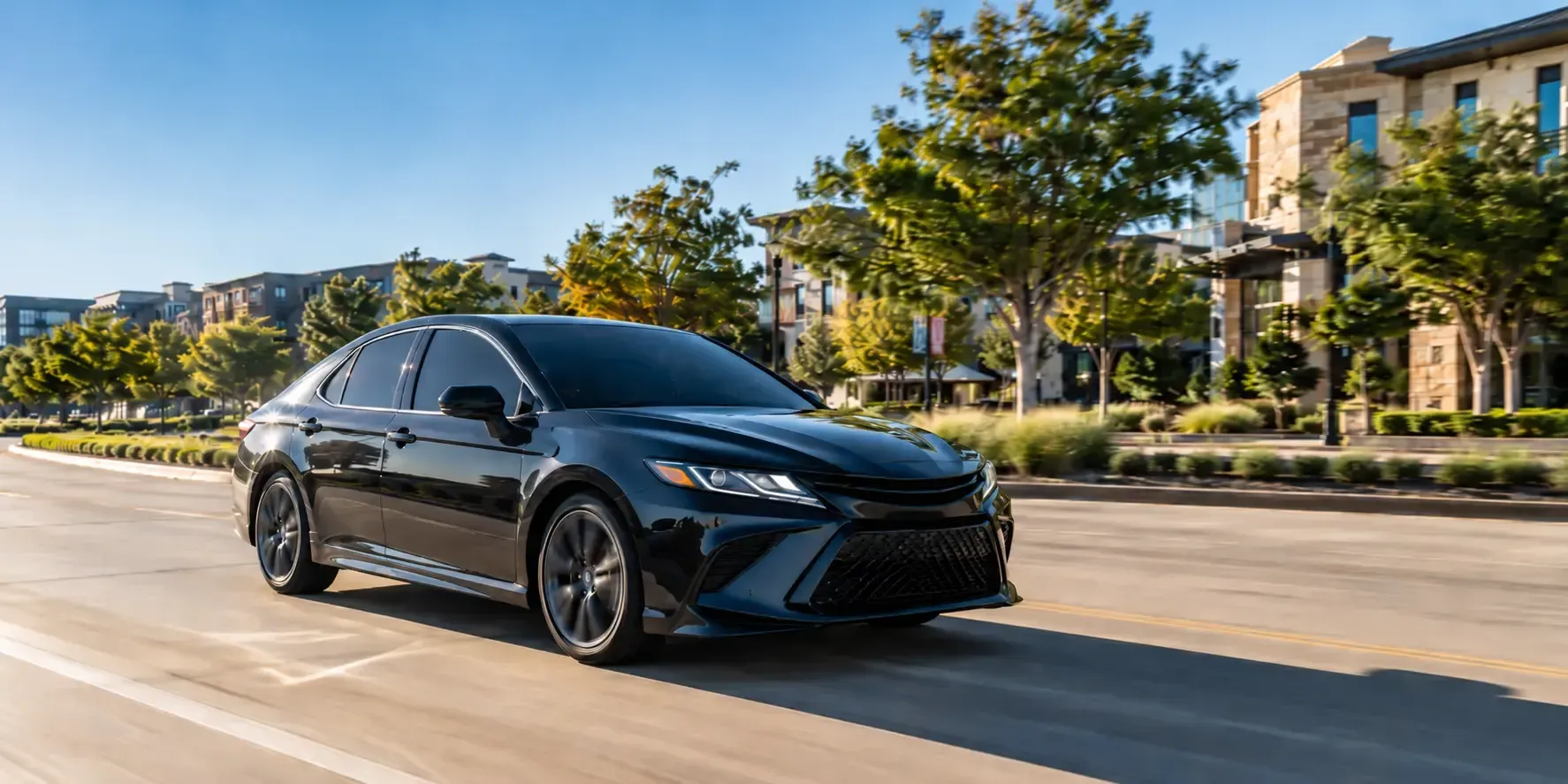
- 5% VLT: Often called "limo tint," this is one of the darkest shades available. It allows only 5% of light to pass through, offering maximum privacy and heat rejection.
- 20% VLT: A very popular choice, this tint provides a dark, stylish look with significant privacy and is still manageable for night driving for most people.
- 35% VLT: This is a happy medium for many drivers, offering a noticeable tint for enhanced privacy and heat reduction without being overly dark.
- 50% VLT: A lighter shade that still provides good heat and UV protection while maintaining excellent visibility.
- 70% VLT: This is a very light tint, often used on front windows to comply with local laws while still blocking harmful UV rays.
Key Benefits of Professional Window Tinting
A high-quality window tint, professionally installed, offers a range of advantages beyond just a darker window. Here at Tint Integrity, we see firsthand how the right tint transforms the driving experience.
- Enhanced Privacy and Security: Darker tints make it more difficult for people to see inside your vehicle, which can help deter potential thieves from targeting valuables you may have inside.
- UV Ray Protection: Quality window films can block up to 99% of harmful ultraviolet (UV) rays. This protects your skin from sun damage and prevents your car's interior—the dashboard, seats, and trim—from fading and cracking over time.
- Heat Reduction: A good tint can significantly reduce the amount of solar heat entering your car, keeping the interior cooler and more comfortable, especially during hot summer months. This can also lead to better fuel efficiency as you'll rely less on your air conditioning system.
- Reduced Glare: Tinting your windows helps to cut down on glare from the sun and headlights of other cars, reducing eye strain and making driving safer.
| Tint Level (VLT) | Appearance | Primary Benefits |
|---|---|---|
| 5% | Very Dark (Limo) | Maximum Privacy, High Heat Rejection |
| 20% | Dark & Sporty | Excellent Privacy, Good Heat Rejection |
| 35% | Moderately Dark | Balanced Privacy & Visibility, Good Heat Control |
| 50% | Lightly Tinted | Heat/UV Rejection with Great Visibility |
| 50% | Very Light | UV Protection, Legal for Front Windows in many areas |
Choosing the Right Shade: Factors to Consider
Selecting the perfect tint involves balancing your personal preferences with practical considerations.
- Your Primary Goal: First, decide what you want most from your tint. Is it privacy, heat rejection, aesthetics, or UV protection? Your answer will guide you toward the right VLT level.
- Local Laws: Window tinting regulations vary by state. In California, for example, the front side windows must allow more than 70% of light in. The back side and rear windows can be any darkness. Always check your local laws to avoid a ticket.
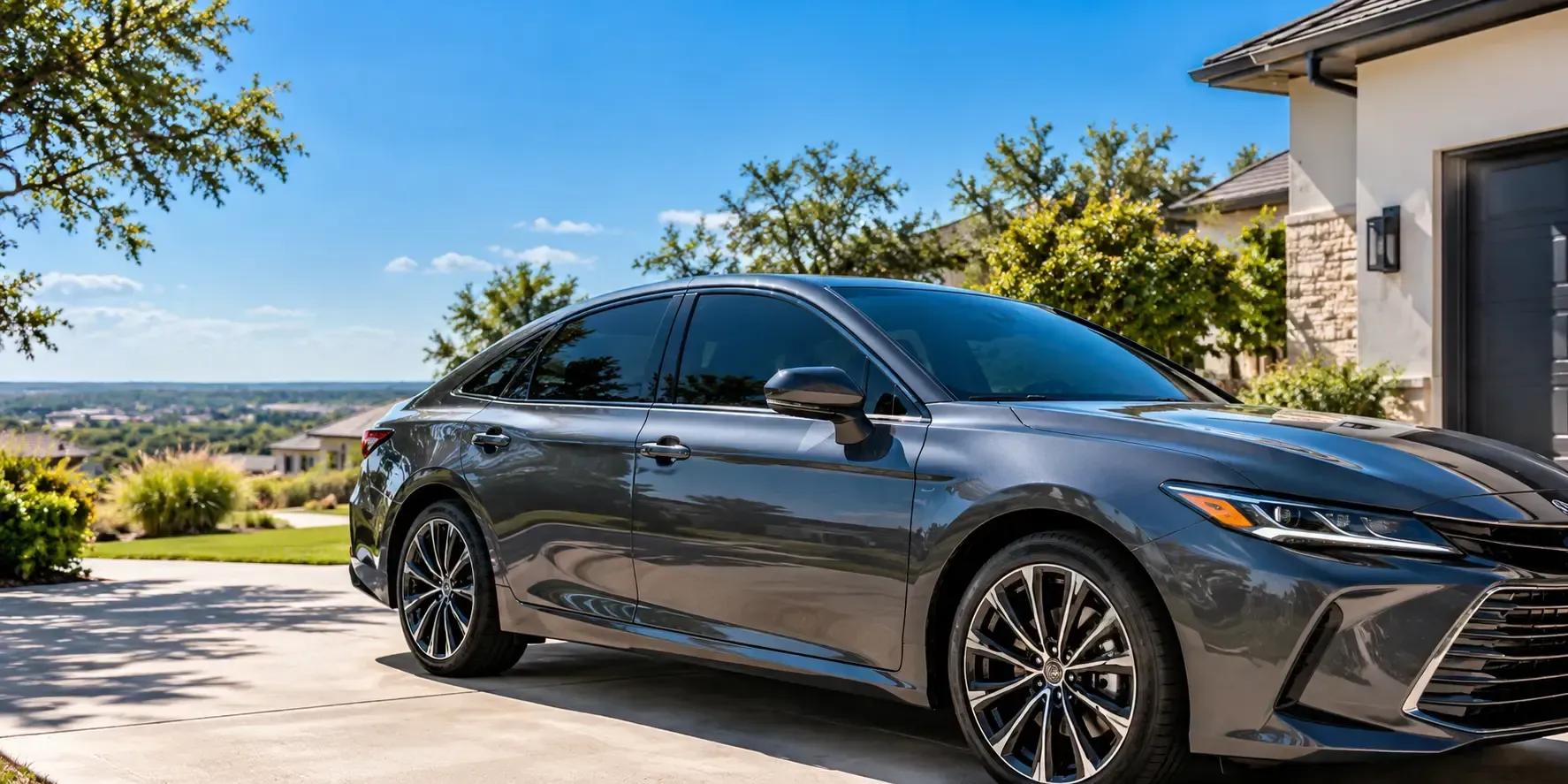
- Vehicle Type: The size and style of your vehicle can influence what tint looks best. SUVs and trucks often look great with darker tints on the rear windows, while a lighter, more uniform tint might suit a smaller sedan.
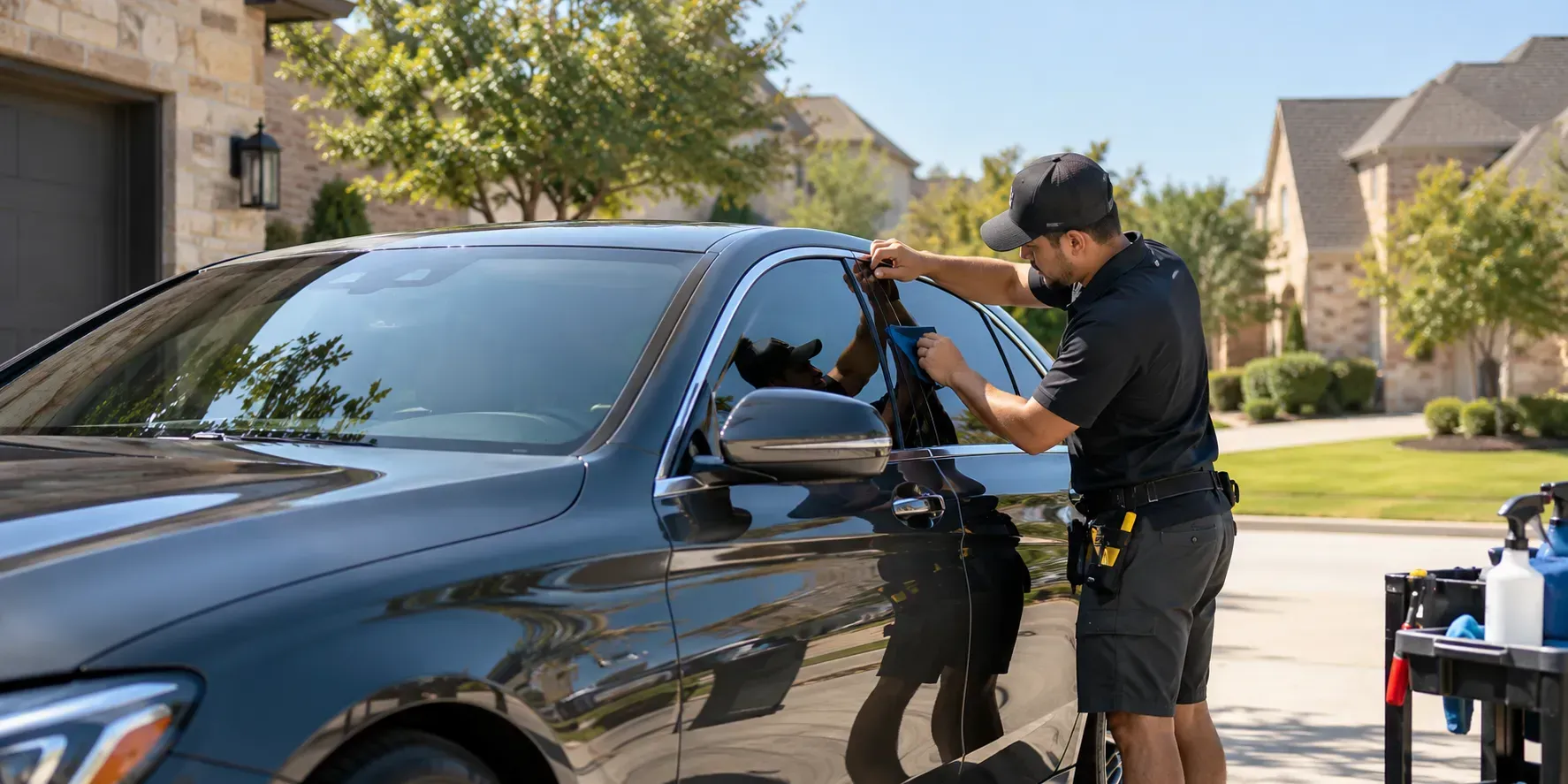
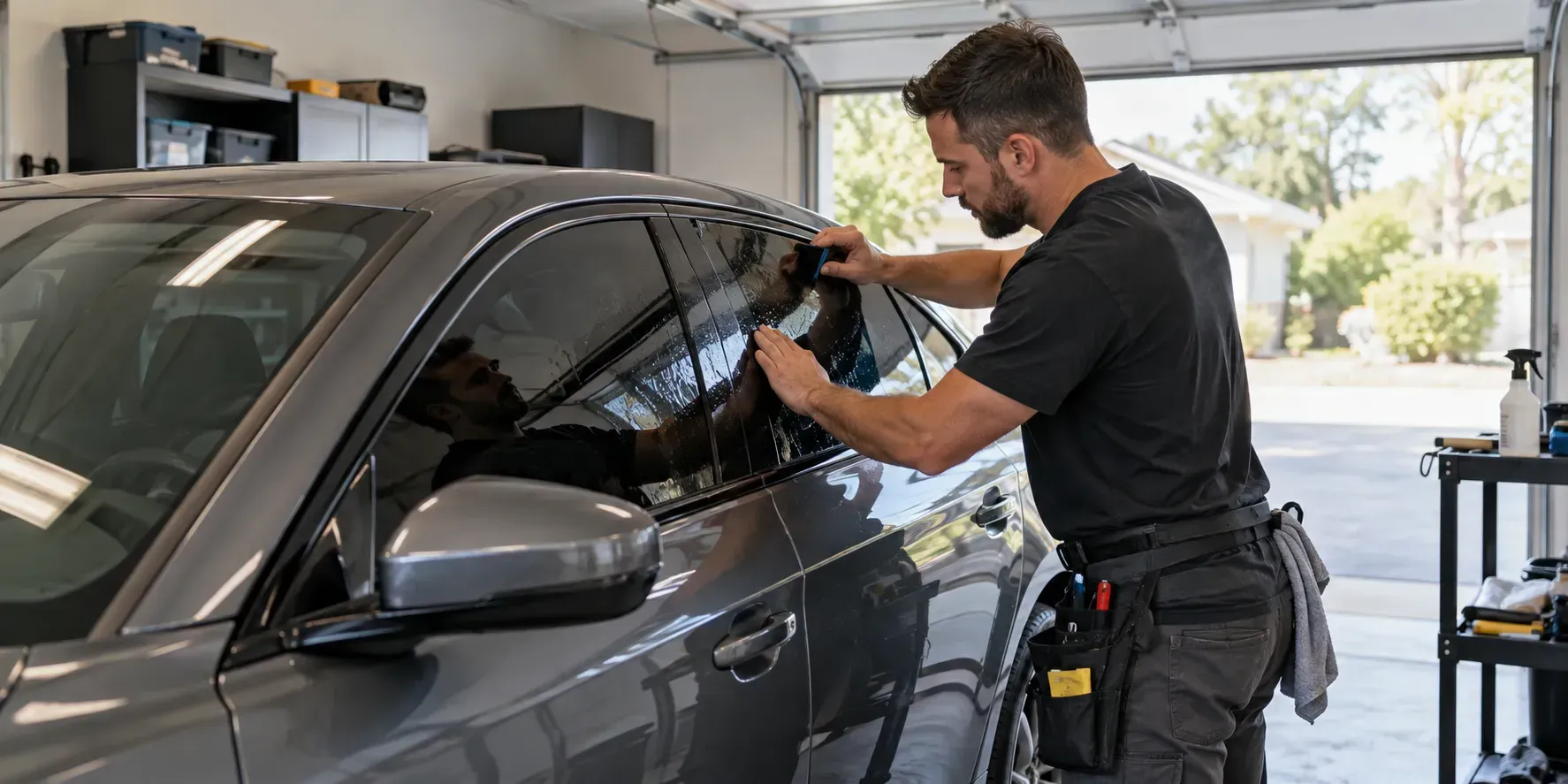
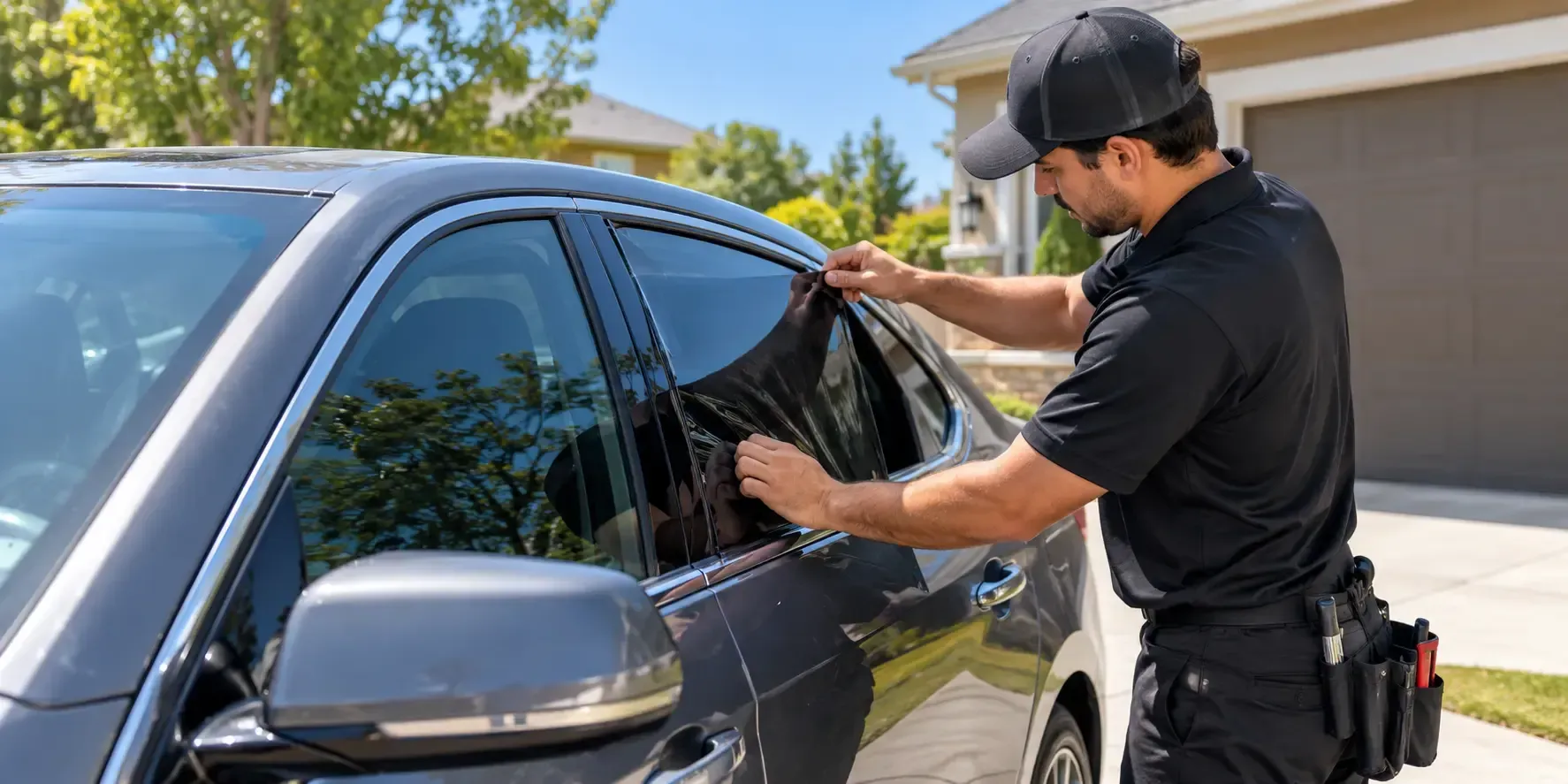
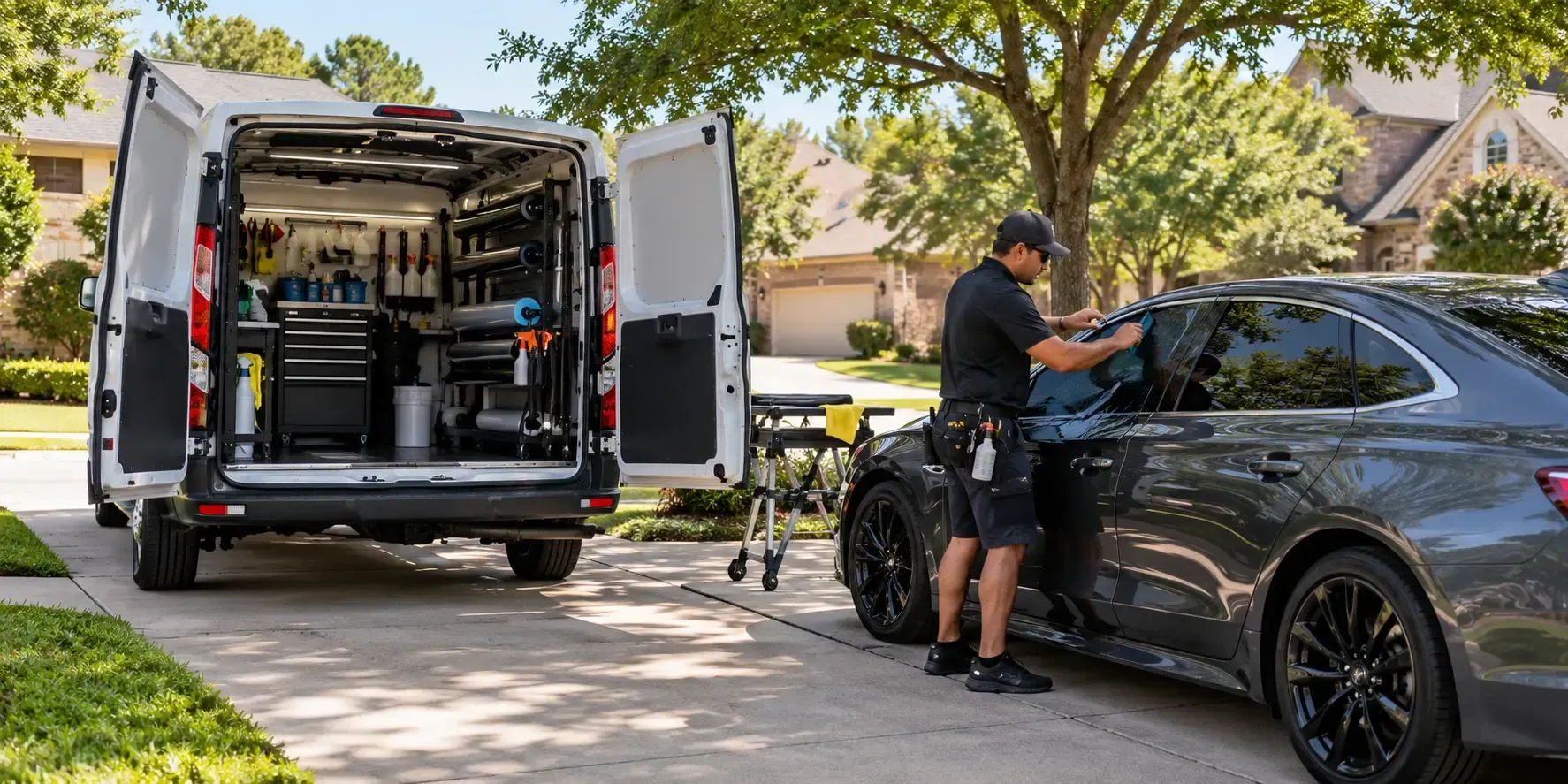
- Professional Installation: To ensure a flawless, long-lasting finish, always opt for a professional Mobile Window Tinting service. A quality installation prevents issues like bubbling and peeling.
At Tint Integrity, we understand that every driver has unique needs. We are dedicated to providing a high-quality Mobile Window Tinting service using premium films that offer superior performance and durability. We can help you navigate the options and choose the perfect shade that meets your goals and complies with California's regulations.
Ready to upgrade your ride with the perfect window tint? Contact the experts at Tint Integrity in Inglewood, CA, for a free consultation. Call us today at (310) 848-5568 to find out how we can enhance your driving experience!
FREQUENTLY ASKED QUESTIONS:
What is the difference between 20% and 35% window tint?
The main difference is the amount of light they let in. A 35% tint allows 35% of visible light through, offering a good balance of privacy and visibility. A 20% tint is significantly darker, allowing only 20% of light in, which provides much more privacy but can reduce visibility in low-light conditions.
Can I choose different tint percentages for different windows?
Yes, and it's a very common practice. Many drivers opt for a darker tint on the rear and back side windows for privacy while using a lighter, legal tint on the front side windows to ensure good visibility and compliance with local laws.
Does a darker window tint block more heat?
Generally, darker tints do block more heat. However, the material of the tint film plays a huge role. High-quality ceramic window tints can block a significant amount of heat without being extremely dark, offering a great alternative if you want heat rejection without sacrificing visibility.