Transform Your Boat: My Ultimate Guide to Choosing the Perfect Marine Window Tint

November 5, 2024

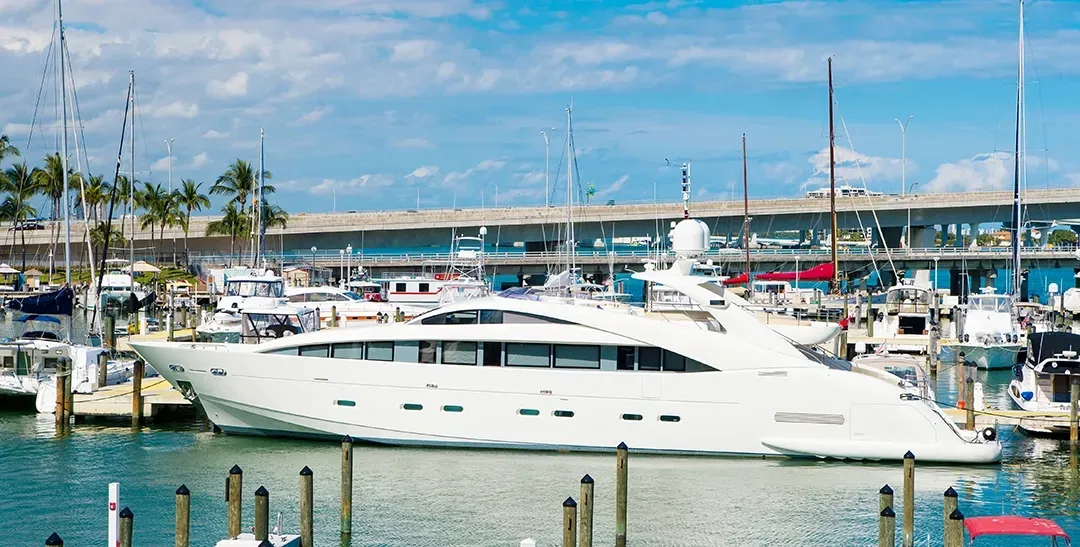
Living in Cudahy, California, where the sun shines bright most days of the year, I've learned firsthand about the importance of proper boat window tinting. Let me share my journey and everything I've discovered about finding the perfect tint for your boat.


My Boating Journey: From Sun-Scorched to Perfectly Tinted

That Hot Summer Day in Cudahy Marina

I'll never forget that scorching July afternoon when I took my family out for what was supposed to be a relaxing day on the water. The sun was relentless, beating through my boat's windows, and despite the cool breeze, we were all uncomfortably hot. My youngest daughter's iPad kept overheating, and the glare on the water was almost blinding.


Why I Finally Decided to Tint My Boat

That day pushed me to explore professional window tinting services. After researching and consulting with experts, I discovered that proper marine window tinting isn't just about comfort—it's about protection, safety, and preserving your boat's value.
Understanding Boat Window Tinting Options

Types of Marine Window Films

Let's break down the main types of window films available:


Ceramic Tint Benefits

  • Superior heat rejection
  • No signal interference
  • Longest lifespan
  • Premium clarity


Carbon Film Features

  • Matte finish option
  • Good heat rejection
  • Durable performance
  • Mid-range price point


Metallic Options

  • Budget-friendly
  • Decent heat protection
  • Potential GPS interference
  • Shorter lifespan
"I've installed thousands of boat window tints, and ceramic is hands-down the best investment for Southern California boaters. The heat rejection and clarity are unmatched." - Professional Marine Tinter, Cudahy

UV Protection Levels

Tint Type UV Protection Heat Rejection Glare Reduction
Ceramic 99% 85-95% 90-95%
Carbon 99% 75-85% 85-90%
Metallic 95% 65-75% 80-85%

Important Factors in Choosing Boat Tint

Climate Considerations in Southern California

Our local weather demands specific features:

  1. High heat rejection capability
  2. UV protection for year-round sun
  3. Anti-glare properties for water reflection
  4. Durability in salt air conditions
  5. Resistance to humidity


Visibility Requirements

Day vs. Night Performance

When choosing your tint, consider:

  • Day visibility (70-80% recommended)
  • Night visibility (avoid too dark)
  • Water glare management
  • Emergency visibility needs


Water Glare Reduction

The best tints for glare control:

  • Ceramic with neutral tone
  • Polarized options
  • Color-stable films

Professional Installation vs. DIY

My Experience with Both Approaches

After attempting a DIY installation on one window (big mistake!), I quickly learned why professional installation is worth every penny. Here's what I discovered:


Cost Comparisons

Approach Initial Cost Long-term Cost Warranty
Professional $500-1500 Minimal 5-10 years
DIY $200-400 High None

Long-term Value Analysis

Professional installation benefits:

  • Proper preparation
  • Expert application
  • Warranty coverage
  • Perfect trimming
  • No bubbles or peeling


Maintaining Your Boat's Tinted Windows

Cleaning Best Practices

My maintenance routine includes:

  1. Regular gentle cleaning
  2. Soft microfiber cloths only
  3. Marine-safe cleaning solutions
  4. Immediate attention to spots
  5. Professional inspection annually


Longevity Tips

To maximize your tint's lifespan:

  • Wait 30 days post-installation for first cleaning
  • Avoid abrasive materials
  • Use approved cleaning products
  • Report any issues promptly
  • Schedule regular maintenance


Legal Considerations and Regulations

California Maritime Laws

Important legal requirements:

  • Visible Light Transmission (VLT) minimums
  • Navigation window regulations
  • Safety equipment visibility
  • Commercial vessel requirements


Key Takeaways

✅ Ceramic tint offers the best performance for Cudahy's climate

✅ Professional installation is crucial for longevity

✅ Regular maintenance extends tint life

✅ Legal compliance matters

✅ Quality tint is an investment in your boat's value


Frequently Asked Questions

Q: How long does boat window tint last in Southern California?

A: With proper care and professional installation, quality ceramic tint can last 8-10 years in our climate.


Q: What's the best tint percentage for boats?

A: For most recreational boats in Cudahy, I recommend 70-80% VLT for optimal visibility and protection.


Q: How much does professional boat tinting cost?

A: For a typical 20-25 foot boat, expect to pay $500-1500 for professional marine window tinting.


Q: How soon can I clean my newly tinted windows?

A: Wait at least 30 days after installation before cleaning to allow proper curing.


Conclusion

After my journey from sun-scorched to perfectly tinted, I can confidently say that investing in quality boat window tint from a reputable installer is one of the best decisions I've made for my boating experience. In Cudahy's sunny climate, the right tint not only enhances comfort but also protects your investment and improves safety on the water.

Remember, your boat is more than just a vessel—it's where you make memories with family and friends. The right window tint helps make those memories more comfortable and enjoyable while preserving your boat for years to come.
By Elayna Smith March 24, 2026
Inglewood residents and business owners know that Southern California sun can be intense. From UV rays damaging your car’s interior to excessive heat in your home or office, window tinting is more than just a cosmetic upgrade , it’s a practical investment. Whether you’re a busy professional, a car enthusiast, a homeowner, or a business manager, mobile and commercial window tinting offers protection, privacy, and energy efficiency tailored to your needs.
By Elayna Smith March 19, 2026
Walk through any grocery store parking lot in Cudahy and you’ll see the epidemic. It’s unavoidable. You’ll spot a late-model sedan with windows that look like they’re breaking out in a purple, bubbly rash. It’s an eyesore. More than that, it’s a total failure of a product that was supposed to provide protection. Cheap film, rushed labor, and the unforgiving California sun create a recipe for disaster that most car owners don't realize they're buying into until it's too late. Window tinting isn't just about looking cool or hiding from the world behind dark glass. In a city where the asphalt radiates heat and the UV index regularly hits "extreme," quality film is a necessity for your health and your upholstery. That’s where Tint Integrity comes in. While other shops focus on high volume and quick turnarounds, this local staple has carved out a reputation for doing things the hard way—which happens to be the right way. They’ve become the gold standard for Expert Window Tint Installation in the region, and the reasons go far deeper than just a smooth finish.
By Elayna Smith March 11, 2026
Drivers in Inglewood experience plenty of sunshine throughout the year. While sunny weather is great for outdoor activities, it can make driving uncomfortable when heat and glare build up inside a vehicle. This is one of the main reasons why many local residents are turning to mobile window tinting services for their cars, homes, and even commercial buildings. Mobile tinting allows professionals to come directly to your location, whether it is your driveway, workplace, or business parking lot. For busy drivers across Los Angeles County, this convenient service provides professional results without the need to spend hours waiting at a shop.  From improved comfort and UV protection to better privacy and enhanced vehicle aesthetics, mobile window tinting has quickly become one of the most requested vehicle upgrades among Inglewood drivers.
By Elayna Smith March 5, 2026
What Drives Window Tinting Costs in Inglewood Understanding variables helps evaluate quotes: Film Type and Quality Dyed Film (Budget): Cost: $150-250 for sedan Lifespan: 2-4 years in California sun Heat rejection: 30-40% UV protection: 90-95% Pros: Cheapest upfront Cons: Fades to purple, bubbles, poor heat rejection Carbon Film (Mid-Range): Cost: $250-450 for sedan Lifespan: 5-7 years Heat rejection: 40-50% UV protection: 99% Pros: Won't fade, decent heat rejection, affordable Cons: Not maximum heat rejection Ceramic Film (Premium): Cost: $400-700 for sedan Lifespan: 10+ years Heat rejection: 50-70% UV protection: 99%+ Pros: Superior heat rejection, no signal interference, long-lasting Cons: Higher upfront cost Nano-Ceramic (Ultimate): Cost: $600-900 for sedan Lifespan: Lifetime with warranty Heat rejection: 70-85% UV protection: 99.9% Pros: Maximum performance, clearest visibility, best warranty Cons: Premium price Inglewood Reality : California sun destroys cheap tint fast. Budget film is false economy. Vehicle Size Sedan (Honda Accord, Toyota Camry): 4 side windows + rear window Cost: Base price SUV/Crossover (Honda CR-V, Toyota RAV4): 4 side windows + larger rear + cargo area Cost: +$50-150 over sedan Large SUV (Tahoe, Suburban, Expedition): More windows, larger surface area Cost: +$100-250 over sedan Truck (F-150, Silverado, Ram): Extended cab or crew cab affects price Rear sliding window complexity Cost: +$50-200 over sedan Inglewood Service Area : Many trucks and SUVs. Size matters for pricing. Number of Windows Full Vehicle : All side windows Rear window Standard pricing Partial Tint : Front two only: 40-50% of full price Rear three only: 50-60% of full price Just rear: 30-40% of full price Windshield Strip : Top 5-6 inches only Cost: $50-100 additional Legal in California Sunroof/Moonroof : Cost: $75-150 additional Often overlooked but important Brand Name Budget Brands (Generic, unbranded): Lowest cost Minimal warranty Unknown performance Mid-Tier Brands (SunTek, Madico, Solar Gard): Good quality Decent warranties (5-10 years) Proven performance Premium Brands (3M, LLumar, Huper Optik, XPEL): Best quality Lifetime warranties Industry-leading performance Transferable warranties Inglewood Recommendation : Stick with known brands. Warranty means nothing if company disappears. Warranty Length No Warranty or 1-2 Years : Usually budget film Minimal protection Red flag 5-Year Warranty : Standard for mid-range film Reasonable protection 10-Year to Lifetime : Premium films only Covers fading, bubbling, peeling Labor and material replacement What Warranty Should Cover : Film fading or discoloration Bubbling or peeling Manufacturing defects Labor for removal and reinstallation What's Usually NOT Covered : Scratches from user Damage from accidents Improper care Mobile vs. Shop Service Shop Service : Lower overhead costs You drive to them Wait at shop or arrange transportation Standard pricing Mobile Service : Convenience premium: $50-100 They come to your home/office You save 3-4 hours of logistics Work/relax during installation Inglewood Traffic : Driving to shop, waiting, driving back = half your day. Mobile worth the premium. Installation Complexity Standard Vehicles : Flat or slightly curved glass Normal pricing Complex Installations : Heavily curved rear windows (sports cars, some sedans) Defrosters requiring careful work Unique window shapes May add $50-150 Vintage or Classic Cars : Special care required May cost 25-50% more Installer Experience and Reputation Cheap Installers : Learning on your vehicle Shortcuts taken Often using inferior film Price seems great until it fails Experienced Professionals : Proper technique Clean installation Quality materials Costs more but worth it Premium Installers : Specialize in high-end vehicles Flawless installation Top-tier materials Highest prices but best results
By Elayna Smith February 20, 2026
The Los Angeles sun doesn't just shine. It punishes. If you have ever stepped into a car parked near Inglewood CA in the middle of July, you know that physical wince as the heat hits your face. Your leather seats feel like a frying pan. The steering wheel is too hot to touch. You’re essentially sitting inside a mobile greenhouse, and the air conditioner is fighting a losing battle against the glass. This is the reality for thousands of drivers across the South Bay and the wider Los Angeles County area every single day. But it doesn't have to be your reality.  Mobile window tinting is no longer just about looking "cool" or hiding from the paparazzi. It has become a vital piece of vehicle maintenance and personal protection. When you choose a professional window tinting service , you aren't just darkening your glass; you are installing a high-tech barrier between yourself and the harsh California environment. At Tint Integrity, we see the difference a quality installation makes. It’s the difference between a miserable commute on the 105 and a comfortable, private ride through the city. Visit Our Homepage to see how we transform the driving experience for residents throughout the region.
By Elayna Smith February 14, 2026
Glass is a vulnerability. Whether it’s the windshield of your daily driver, the floor-to-ceiling windows of your living room, or the expansive glass facade of a corporate office, glass is the weakest point in any structure’s thermal and security envelope. It lets in heat. It leaks cooled air. It exposes your privacy to every passerby. Most people view window film as a cosmetic luxury—a way to make a car look "cool" or a building look "modern." They’re wrong. High-performance window film is a functional necessity that pays for itself in energy savings, health protection, and asset preservation.  Choosing a professional Window Tinting Service isn't just about darkening a pane of glass. It is about controlling the environment you inhabit. At Tint Integrity, we don't just "stick plastic on windows." We apply advanced solar control technology designed to mitigate the harsh realities of the sun. If you want to understand the true value of this investment, you have to look past the surface. You have to look at the science of the spectrum.
By Elayna Smith February 6, 2026
The sun is lying to you. It might feel weaker in December than it does in July, but look at your office floor. Look at the glare bouncing off your computer screens at 3:00 PM. The winter sun sits lower in the sky, acting like a laser beam that cuts deeper into your building’s interior than the high summer sun ever could. If you manage a property on Atlantic Avenue or run a warehouse near the 710, you know the drill. Blinds get pulled down. The view disappears. The workspace feels like a cave. It doesn’t have to be this way. Most business owners in Cudahy wait until the first heatwave of June to think about tinting. That is a strategic error. Winter is actually the most tactical time to upgrade your commercial glass. The glare is worse, the installation schedules are friendlier, and the energy savings start immediately. At Tint Integrity, we see the smartest property managers booking jobs in January, not July.
By Elayna Smith January 27, 2026
Your car is an oven. You feel it the moment you open the door in July. That blast of stagnant, suffocating heat isn't just an inconvenience; it is a direct assault on your comfort and your vehicle’s interior. Most drivers think any dark film will solve the problem. They are wrong. Cheap, dyed window film is a cosmetic band-aid that fades to a nasty shade of purple within two years. If you want a real solution, you have to look at the molecular level. You need APEX Super Ceramic Film. 
By Elayna Smith January 24, 2026
Forget the Heat Wave; The Winter Glare on the 710 is Worse. Most people in Los Angeles County get this completely backward. They rush to get their car windows darkened in July when the asphalt on Atlantic Avenue is melting. But if you are a daily driver in Cudahy, the most dangerous season isn't summer. It’s right now. Winter. That low-hanging sun. The blinding drive home. Here in the 90201, we don't deal with blizzards. We deal with something arguably more annoying for a commuter: the "visor gap." You know exactly what I mean. It’s that slice of windshield your sun visor doesn't cover when the sun sits at a 30-degree angle during the evening rush. Window tinting isn't just an aesthetic upgrade for your ride; it is a piece of safety equipment. And frankly, if you’re driving around Cudahy without it this season, you’re making your life harder than it needs to be. Let's strip away the marketing fluff. Here is why you need to call Tint Integrity before the solstice hits.
By Elayna Smith January 15, 2026
Inglewood is a city of movement. From the thunderous roar of fans at SoFi Stadium to the steady hum of commerce along Manchester Boulevard, the pace never slows down. But for the administrators of schools, hospitals, and municipal offices, the real action happens within the walls. These buildings are the backbone of our community. Yet, they face a silent, persistent enemy: the Southern California sun. It beats down on glass facades, turning classrooms into ovens and offices into high-cost energy drains. It’s not just a comfort issue. It’s a fiscal and safety crisis. That is where high-grade architectural window tinting comes into play.  Most people think of window film as something for cars or maybe a trendy boutique. They’re wrong. For large-scale institutional buildings, it is a strategic necessity. We aren't talking about the bubbly purple film you saw on a beat-up sedan in the 90s. We are talking about advanced, multi-layered ceramic and security films that fundamentally change how a building breathes and protects its occupants. At Our Homepage , we see the transformation every day. A single installation can drop interior temperatures by double digits, slash utility bills, and provide a literal shield against intruders. If you are managing a facility in Inglewood, you need to understand that your windows are your greatest liability—or your greatest asset.
More Posts