Signs Your Window Tint Is Fading or Deteriorating

December 30, 2024

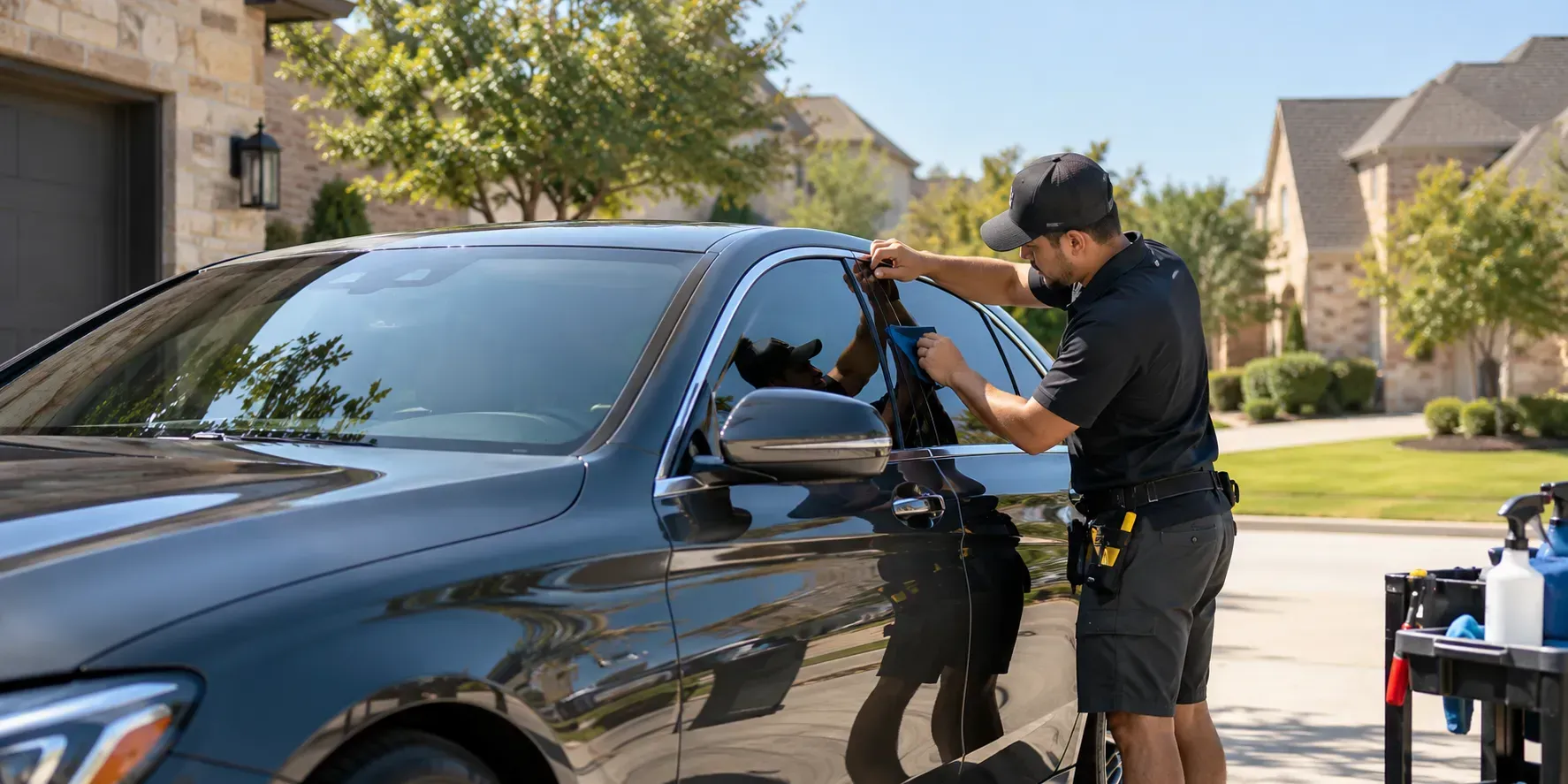
Is your car's window tint looking a bit off lately? Maybe you've noticed some bubbles or strange colors? Don't worry - you're not alone. Window tint problems are pretty common, but catching them early can save you time and money. Let's dive into everything you need to know about spotting and fixing window tint issues.
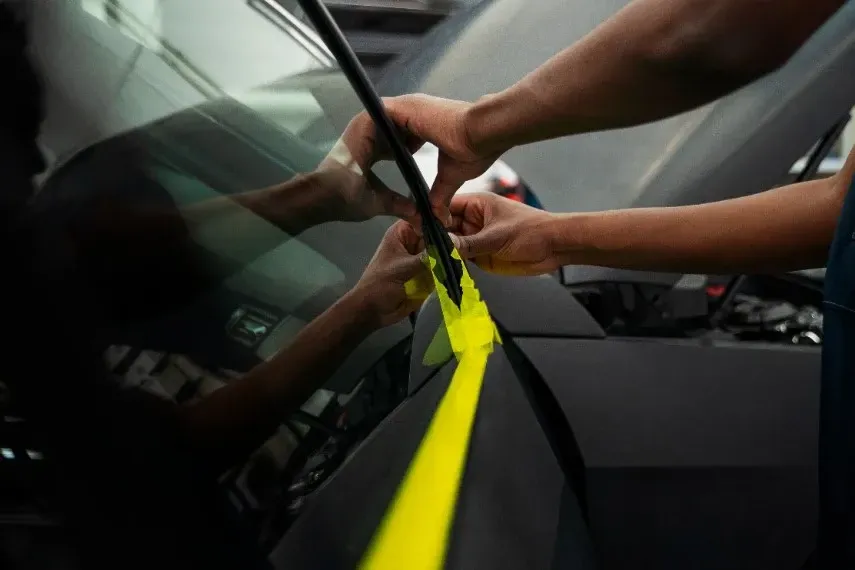
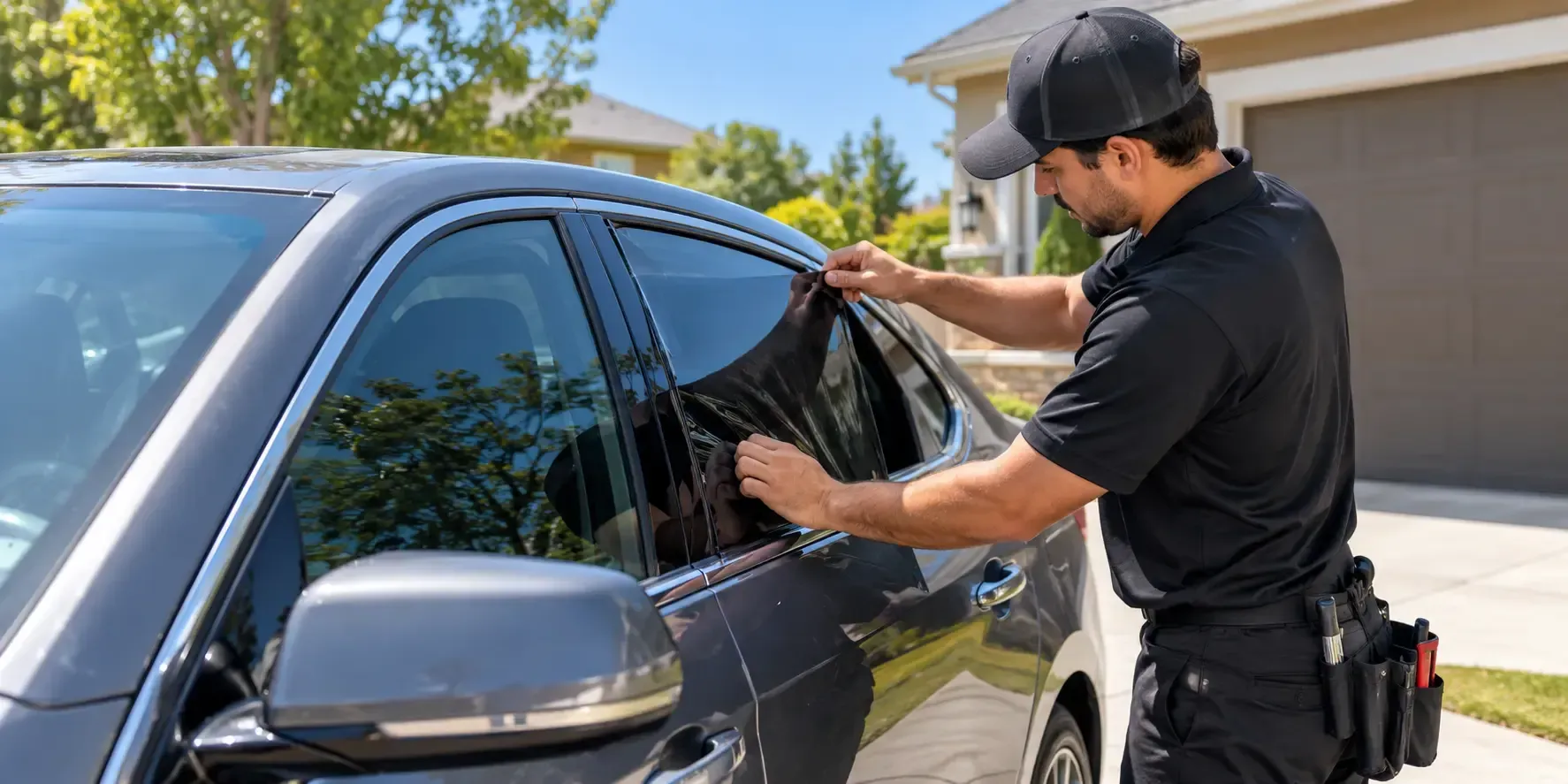
A person is wrapping a car with yellow tape.

Notice something different about your car's window tint lately? Maybe it's not looking as sharp as it used to, or you've spotted some strange bubbles? You're in the right place. Let's break down everything you need to know about window tint problems and how to fix them.


Understanding Window Tint Deterioration


What Causes Deterioration


Your car's window tint faces daily challenges that can wear it down over time. Think of it like sunscreen - it protects your car's interior, but it needs proper care to work effectively. Poor installation, low-quality materials, and harsh environmental conditions are the main culprits behind tint deterioration. When these factors combine, they can significantly shorten your tint's lifespan.


Signs of Normal Wear and Tear


Not all changes in your window tint mean trouble. Some wear is normal, especially as your tint ages. However, knowing what's normal versus what needs attention can save you time and money. Regular wear might include slight dulling over several years, while rapid changes often signal bigger problems.


Visual Indicators of Failing Window Tint


Color Changes and Discoloration


Purple Tinting Issues


Have you noticed your once-sleek black tint turning purple? This is a classic sign of degrading window film. The purple hue happens when the dye in lower-quality tints breaks down from UV exposure. Think of it like an old newspaper left in the sun - it doesn't stay the same color forever.


Uneven Fading Patterns

When your tint starts showing patches of different shades, it's telling you something's wrong. Good tint should maintain an even color across the entire window. Spotty or blotchy appearances usually mean the tint is breaking down unevenly, often due to inconsistent sun exposure or quality issues.


Physical Damage Signs


Bubbling and Air Pockets


Bubbles in your window tint are like blisters on your skin - they're a sign something's not right. These air pockets form when the adhesive fails, often due to heat or moisture getting trapped between the film and glass. Small bubbles might start appearing around edges or corners before spreading.


Peeling and Separation


When tint starts peeling away from your windows, it's like wallpaper coming loose. This usually starts at the edges and can quickly spread if not addressed. Peeling happens when the adhesive loses its grip, often due to age, heat, or improper installation.


Surface Scratches and Abrasions

Just like any protective surface, window tint can get scratched. While minor scratches might not affect performance, deep ones can compromise the tint's integrity. Look for:

  • Visible lines or marks
  • Areas where the tint appears thinner
  • Spots where the film has worn away


Environmental Impact on Window Tint


UV Ray Exposure

The sun is both a friend and foe to your car. While window tint helps block harmful UV rays, constant exposure can:

  • Accelerate color fading
  • Weaken the adhesive bond
  • Cause premature aging of the film


Weather Damage

Mother Nature can be tough on your tint. Rain, snow, and extreme temperatures all play a role in how well your tint holds up. Areas with harsh winters or intense summers often see faster deterioration rates.


Temperature Effects

Think about how often your car goes from freezing cold to blazing hot. These temperature swings make your tint expand and contract, which can lead to:

  • Cracking in extreme cases
  • Weakened adhesive bonds
  • Increased risk of bubbling


Professional Inspection Services


Mobile Inspection Benefits


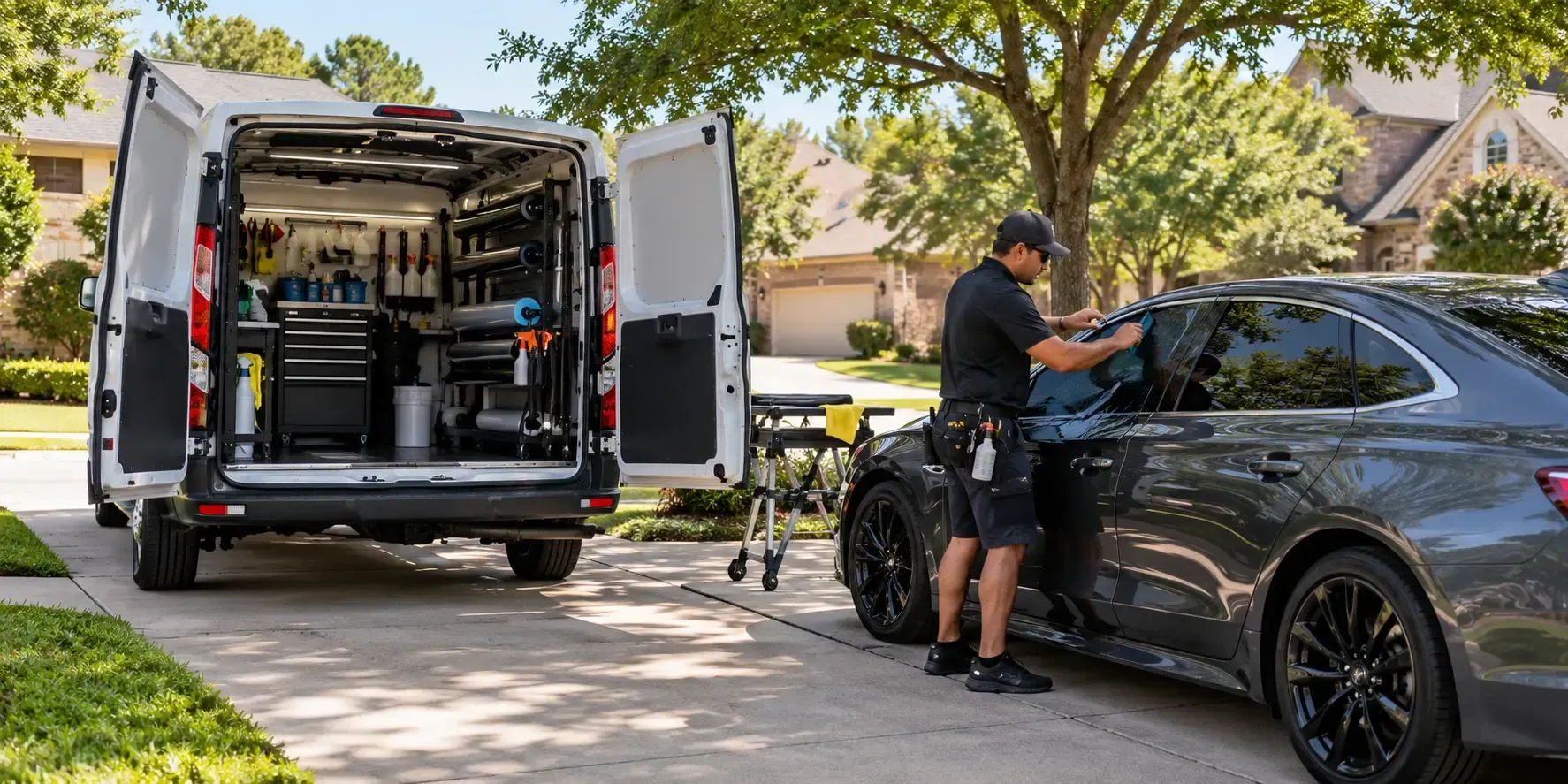
Gone are the days of scheduling shop visits for tint checks. Mobile inspection services bring expertise to your doorstep, offering:

  • Convenient scheduling
  • Professional assessment tools
  • Expert recommendations
  • Time-saving solutions


Professional Assessment Process


What Experts Look For

Professional inspectors check multiple factors during an assessment:

  • Adhesive strength and coverage
  • Film thickness consistency
  • Edge sealing quality
  • UV protection levels
  • Overall installation integrity


Common Problem Areas

Certain spots tend to show problems first:

  • Around defroster lines
  • Near window edges
  • Around curved areas
  • Where windows roll up and down


Window Tint Solutions and Services


Maintenance Tips


DIY Care Instructions

Keep your tint looking great with these simple steps:

  • Use ammonia-free cleaners
  • Avoid scraping ice directly
  • Wait after washing before rolling windows down
  • Park in shade when possible


Professional Care Options

Sometimes you need expert help to:

  • Deep clean your tint
  • Fix minor issues
  • Restore clarity
  • Extend tint life


Repair vs. Replace


When to Consider Repairs

Minor issues might be fixable if:

  • Damage is small and localized
  • Tint is relatively new
  • Problem is caught early
  • Base film is still good


Signs You Need Replacement

Time for new tint when you see:

  • Widespread purple coloring
  • Multiple bubbles or peeling
  • Significant scratching
  • Major discoloration


Mobile Tinting Services


Benefits of Mobile Service

Mobile window tinting offers several advantages:

  • Service at your location
  • Professional equipment on-site
  • Competitive pricing
  • Time-saving convenience


Service Process Overview

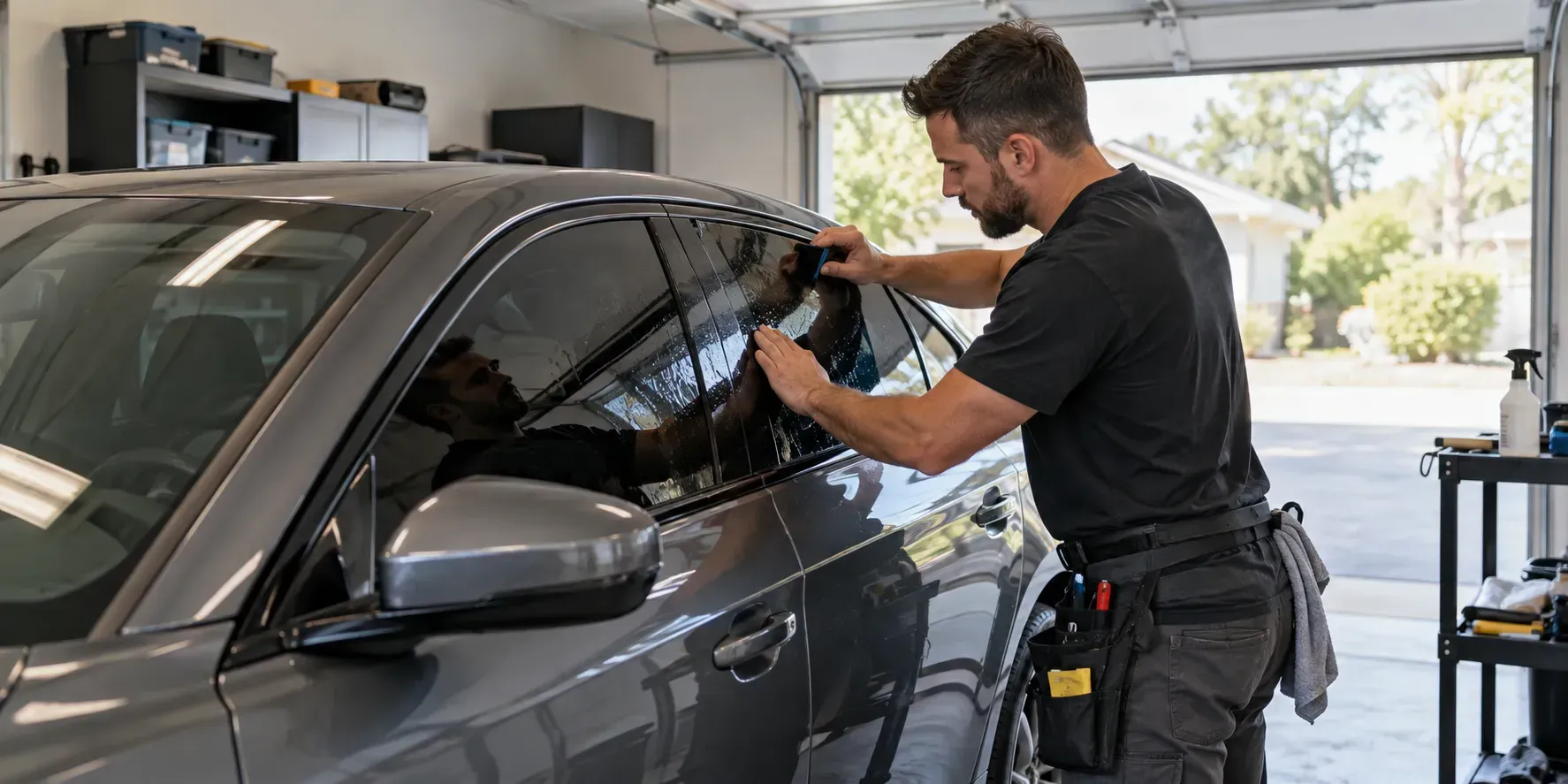
A typical mobile service includes:

  1. Initial inspection
  2. Window preparation
  3. Old tint removal
  4. New tint application
  5. Quality check
  6. Care instructions


Cost Factors

Pricing typically depends on:

  • Vehicle size and type
  • Number of windows
  • Tint quality selected
  • Location
  • Additional services needed


Remember, maintaining your window tint is like taking care of any other part of your car - regular attention prevents bigger problems later. Watch for these signs of deterioration and act quickly when you spot them. Whether you choose mobile service or visit a shop, addressing tint issues promptly helps maintain your car's appearance and protection. Contact us Now to Learn More


By understanding these signs and knowing when to seek help, you can keep your window tint looking great and performing well for years to come. Don't wait until minor issues become major problems - reach out to a professional when you notice any concerning changes in your tint's appearance or performance.
By Elayna Smith March 11, 2026
Drivers in Inglewood experience plenty of sunshine throughout the year. While sunny weather is great for outdoor activities, it can make driving uncomfortable when heat and glare build up inside a vehicle. This is one of the main reasons why many local residents are turning to mobile window tinting services for their cars, homes, and even commercial buildings. Mobile tinting allows professionals to come directly to your location, whether it is your driveway, workplace, or business parking lot. For busy drivers across Los Angeles County, this convenient service provides professional results without the need to spend hours waiting at a shop.  From improved comfort and UV protection to better privacy and enhanced vehicle aesthetics, mobile window tinting has quickly become one of the most requested vehicle upgrades among Inglewood drivers.
By Elayna Smith March 5, 2026
What Drives Window Tinting Costs in Inglewood Understanding variables helps evaluate quotes: Film Type and Quality Dyed Film (Budget): Cost: $150-250 for sedan Lifespan: 2-4 years in California sun Heat rejection: 30-40% UV protection: 90-95% Pros: Cheapest upfront Cons: Fades to purple, bubbles, poor heat rejection Carbon Film (Mid-Range): Cost: $250-450 for sedan Lifespan: 5-7 years Heat rejection: 40-50% UV protection: 99% Pros: Won't fade, decent heat rejection, affordable Cons: Not maximum heat rejection Ceramic Film (Premium): Cost: $400-700 for sedan Lifespan: 10+ years Heat rejection: 50-70% UV protection: 99%+ Pros: Superior heat rejection, no signal interference, long-lasting Cons: Higher upfront cost Nano-Ceramic (Ultimate): Cost: $600-900 for sedan Lifespan: Lifetime with warranty Heat rejection: 70-85% UV protection: 99.9% Pros: Maximum performance, clearest visibility, best warranty Cons: Premium price Inglewood Reality : California sun destroys cheap tint fast. Budget film is false economy. Vehicle Size Sedan (Honda Accord, Toyota Camry): 4 side windows + rear window Cost: Base price SUV/Crossover (Honda CR-V, Toyota RAV4): 4 side windows + larger rear + cargo area Cost: +$50-150 over sedan Large SUV (Tahoe, Suburban, Expedition): More windows, larger surface area Cost: +$100-250 over sedan Truck (F-150, Silverado, Ram): Extended cab or crew cab affects price Rear sliding window complexity Cost: +$50-200 over sedan Inglewood Service Area : Many trucks and SUVs. Size matters for pricing. Number of Windows Full Vehicle : All side windows Rear window Standard pricing Partial Tint : Front two only: 40-50% of full price Rear three only: 50-60% of full price Just rear: 30-40% of full price Windshield Strip : Top 5-6 inches only Cost: $50-100 additional Legal in California Sunroof/Moonroof : Cost: $75-150 additional Often overlooked but important Brand Name Budget Brands (Generic, unbranded): Lowest cost Minimal warranty Unknown performance Mid-Tier Brands (SunTek, Madico, Solar Gard): Good quality Decent warranties (5-10 years) Proven performance Premium Brands (3M, LLumar, Huper Optik, XPEL): Best quality Lifetime warranties Industry-leading performance Transferable warranties Inglewood Recommendation : Stick with known brands. Warranty means nothing if company disappears. Warranty Length No Warranty or 1-2 Years : Usually budget film Minimal protection Red flag 5-Year Warranty : Standard for mid-range film Reasonable protection 10-Year to Lifetime : Premium films only Covers fading, bubbling, peeling Labor and material replacement What Warranty Should Cover : Film fading or discoloration Bubbling or peeling Manufacturing defects Labor for removal and reinstallation What's Usually NOT Covered : Scratches from user Damage from accidents Improper care Mobile vs. Shop Service Shop Service : Lower overhead costs You drive to them Wait at shop or arrange transportation Standard pricing Mobile Service : Convenience premium: $50-100 They come to your home/office You save 3-4 hours of logistics Work/relax during installation Inglewood Traffic : Driving to shop, waiting, driving back = half your day. Mobile worth the premium. Installation Complexity Standard Vehicles : Flat or slightly curved glass Normal pricing Complex Installations : Heavily curved rear windows (sports cars, some sedans) Defrosters requiring careful work Unique window shapes May add $50-150 Vintage or Classic Cars : Special care required May cost 25-50% more Installer Experience and Reputation Cheap Installers : Learning on your vehicle Shortcuts taken Often using inferior film Price seems great until it fails Experienced Professionals : Proper technique Clean installation Quality materials Costs more but worth it Premium Installers : Specialize in high-end vehicles Flawless installation Top-tier materials Highest prices but best results
By Elayna Smith February 20, 2026
The Los Angeles sun doesn't just shine. It punishes. If you have ever stepped into a car parked near Inglewood CA in the middle of July, you know that physical wince as the heat hits your face. Your leather seats feel like a frying pan. The steering wheel is too hot to touch. You’re essentially sitting inside a mobile greenhouse, and the air conditioner is fighting a losing battle against the glass. This is the reality for thousands of drivers across the South Bay and the wider Los Angeles County area every single day. But it doesn't have to be your reality.  Mobile window tinting is no longer just about looking "cool" or hiding from the paparazzi. It has become a vital piece of vehicle maintenance and personal protection. When you choose a professional window tinting service , you aren't just darkening your glass; you are installing a high-tech barrier between yourself and the harsh California environment. At Tint Integrity, we see the difference a quality installation makes. It’s the difference between a miserable commute on the 105 and a comfortable, private ride through the city. Visit Our Homepage to see how we transform the driving experience for residents throughout the region.
By Elayna Smith February 14, 2026
Glass is a vulnerability. Whether it’s the windshield of your daily driver, the floor-to-ceiling windows of your living room, or the expansive glass facade of a corporate office, glass is the weakest point in any structure’s thermal and security envelope. It lets in heat. It leaks cooled air. It exposes your privacy to every passerby. Most people view window film as a cosmetic luxury—a way to make a car look "cool" or a building look "modern." They’re wrong. High-performance window film is a functional necessity that pays for itself in energy savings, health protection, and asset preservation.  Choosing a professional Window Tinting Service isn't just about darkening a pane of glass. It is about controlling the environment you inhabit. At Tint Integrity, we don't just "stick plastic on windows." We apply advanced solar control technology designed to mitigate the harsh realities of the sun. If you want to understand the true value of this investment, you have to look past the surface. You have to look at the science of the spectrum.
By Elayna Smith February 6, 2026
The sun is lying to you. It might feel weaker in December than it does in July, but look at your office floor. Look at the glare bouncing off your computer screens at 3:00 PM. The winter sun sits lower in the sky, acting like a laser beam that cuts deeper into your building’s interior than the high summer sun ever could. If you manage a property on Atlantic Avenue or run a warehouse near the 710, you know the drill. Blinds get pulled down. The view disappears. The workspace feels like a cave. It doesn’t have to be this way. Most business owners in Cudahy wait until the first heatwave of June to think about tinting. That is a strategic error. Winter is actually the most tactical time to upgrade your commercial glass. The glare is worse, the installation schedules are friendlier, and the energy savings start immediately. At Tint Integrity, we see the smartest property managers booking jobs in January, not July.
By Elayna Smith January 27, 2026
Your car is an oven. You feel it the moment you open the door in July. That blast of stagnant, suffocating heat isn't just an inconvenience; it is a direct assault on your comfort and your vehicle’s interior. Most drivers think any dark film will solve the problem. They are wrong. Cheap, dyed window film is a cosmetic band-aid that fades to a nasty shade of purple within two years. If you want a real solution, you have to look at the molecular level. You need APEX Super Ceramic Film. 
By Elayna Smith January 24, 2026
Forget the Heat Wave; The Winter Glare on the 710 is Worse. Most people in Los Angeles County get this completely backward. They rush to get their car windows darkened in July when the asphalt on Atlantic Avenue is melting. But if you are a daily driver in Cudahy, the most dangerous season isn't summer. It’s right now. Winter. That low-hanging sun. The blinding drive home. Here in the 90201, we don't deal with blizzards. We deal with something arguably more annoying for a commuter: the "visor gap." You know exactly what I mean. It’s that slice of windshield your sun visor doesn't cover when the sun sits at a 30-degree angle during the evening rush. Window tinting isn't just an aesthetic upgrade for your ride; it is a piece of safety equipment. And frankly, if you’re driving around Cudahy without it this season, you’re making your life harder than it needs to be. Let's strip away the marketing fluff. Here is why you need to call Tint Integrity before the solstice hits.
By Elayna Smith January 15, 2026
Inglewood is a city of movement. From the thunderous roar of fans at SoFi Stadium to the steady hum of commerce along Manchester Boulevard, the pace never slows down. But for the administrators of schools, hospitals, and municipal offices, the real action happens within the walls. These buildings are the backbone of our community. Yet, they face a silent, persistent enemy: the Southern California sun. It beats down on glass facades, turning classrooms into ovens and offices into high-cost energy drains. It’s not just a comfort issue. It’s a fiscal and safety crisis. That is where high-grade architectural window tinting comes into play.  Most people think of window film as something for cars or maybe a trendy boutique. They’re wrong. For large-scale institutional buildings, it is a strategic necessity. We aren't talking about the bubbly purple film you saw on a beat-up sedan in the 90s. We are talking about advanced, multi-layered ceramic and security films that fundamentally change how a building breathes and protects its occupants. At Our Homepage , we see the transformation every day. A single installation can drop interior temperatures by double digits, slash utility bills, and provide a literal shield against intruders. If you are managing a facility in Inglewood, you need to understand that your windows are your greatest liability—or your greatest asset.
By Elayna Smith January 6, 2026
Discover why window tint peels, the common mistakes car owners make, and how to ensure your vehicle stays protected with professional-grade solutions from Tint Integrity. 
By Elayna Smith December 30, 2025
When you buy a new SUV, truck, or minivan, you often notice the rear windows are darker than the front ones. This is commonly referred to as "factory tint." It looks sleek, provides privacy, and seems like a premium feature. Many new car owners assume this darkened glass offers the same level of protection as the window tint they see advertised by specialty shops. Unfortunately, this is a dangerous and costly misconception. The truth is, that factory-dyed glass is not providing the comprehensive protection you and your family need from the sun's harmful rays.  Here at Tint Integrity , we believe in educating our clients so they can make the best decisions for their vehicles and their well-being. The difference between factory privacy glass and high-performance aftermarket window film is not just cosmetic—it's a crucial distinction that impacts your health, safety, and the longevity of your vehicle's interior. In this guide, we'll break down the science, compare the technologies head-to-head, and reveal why dyed glass is no substitute for real, professionally installed window tint.
More Posts