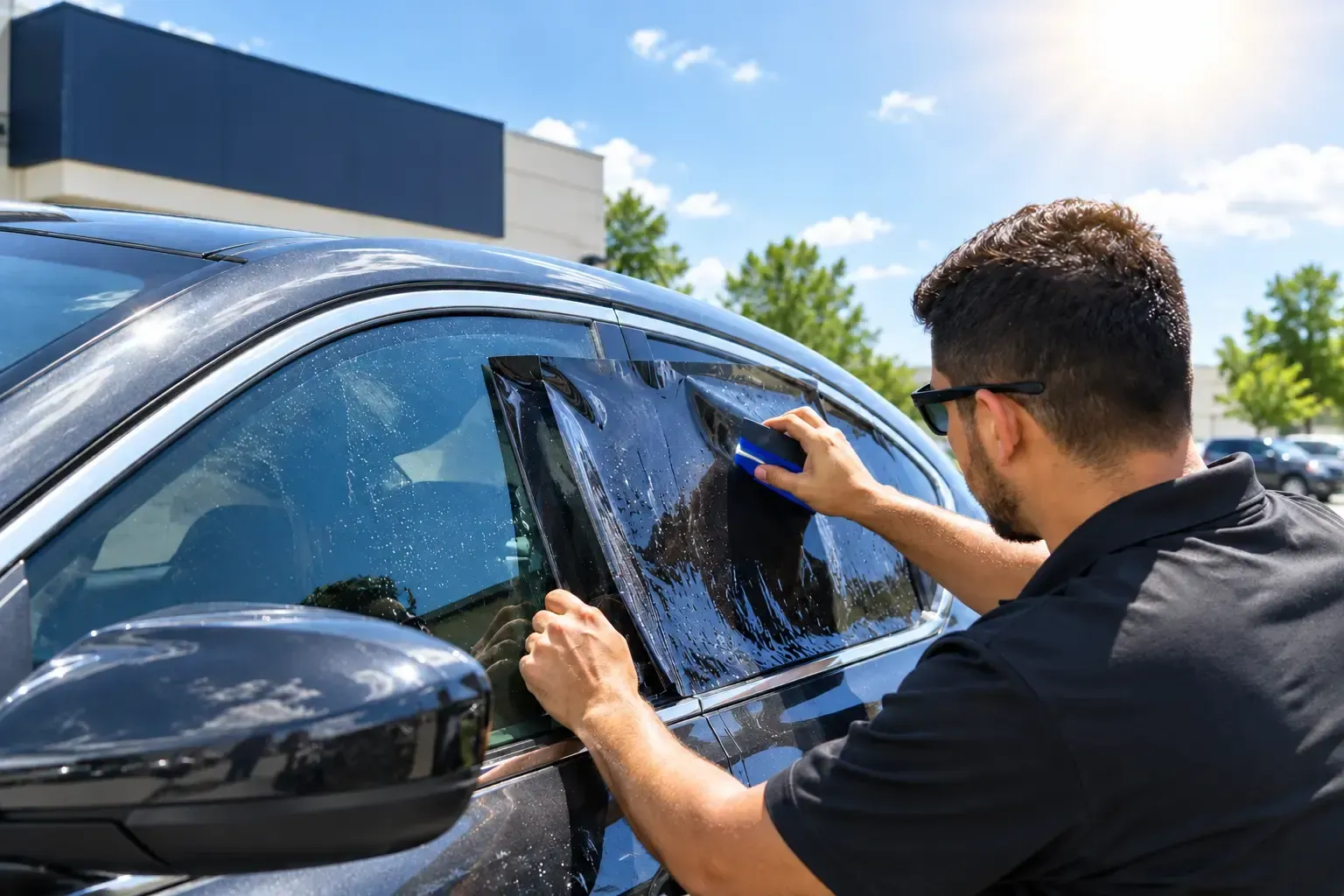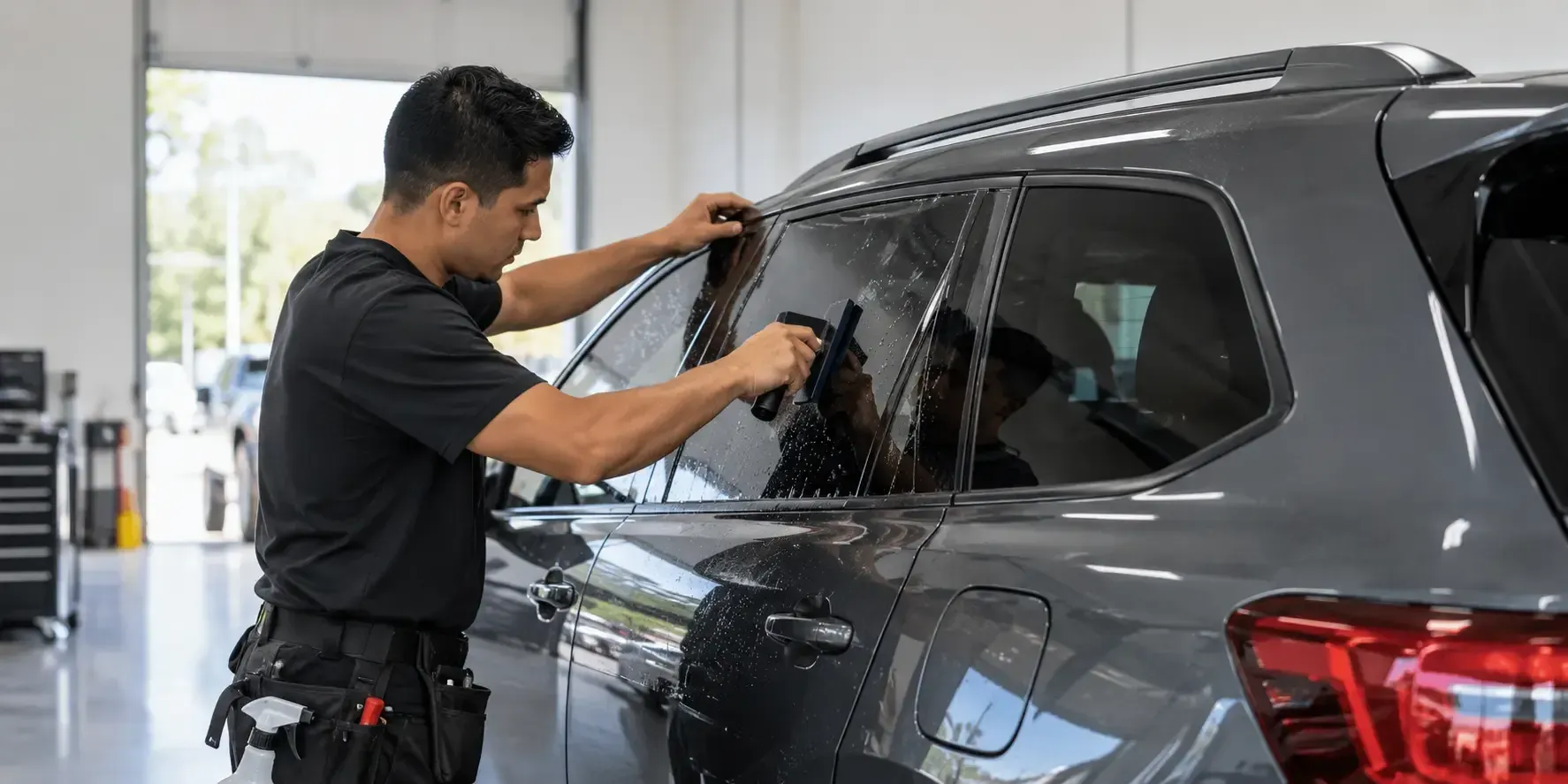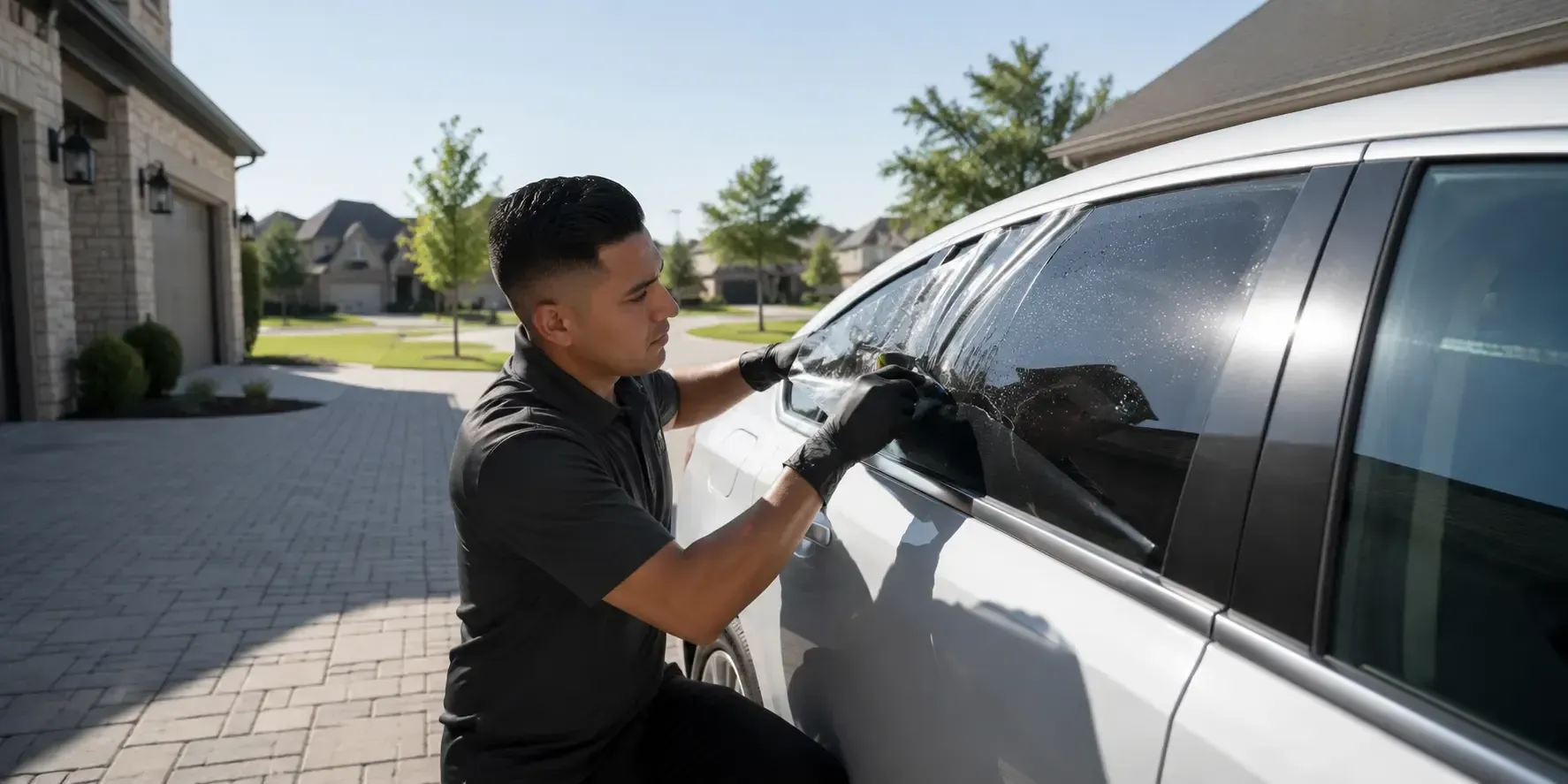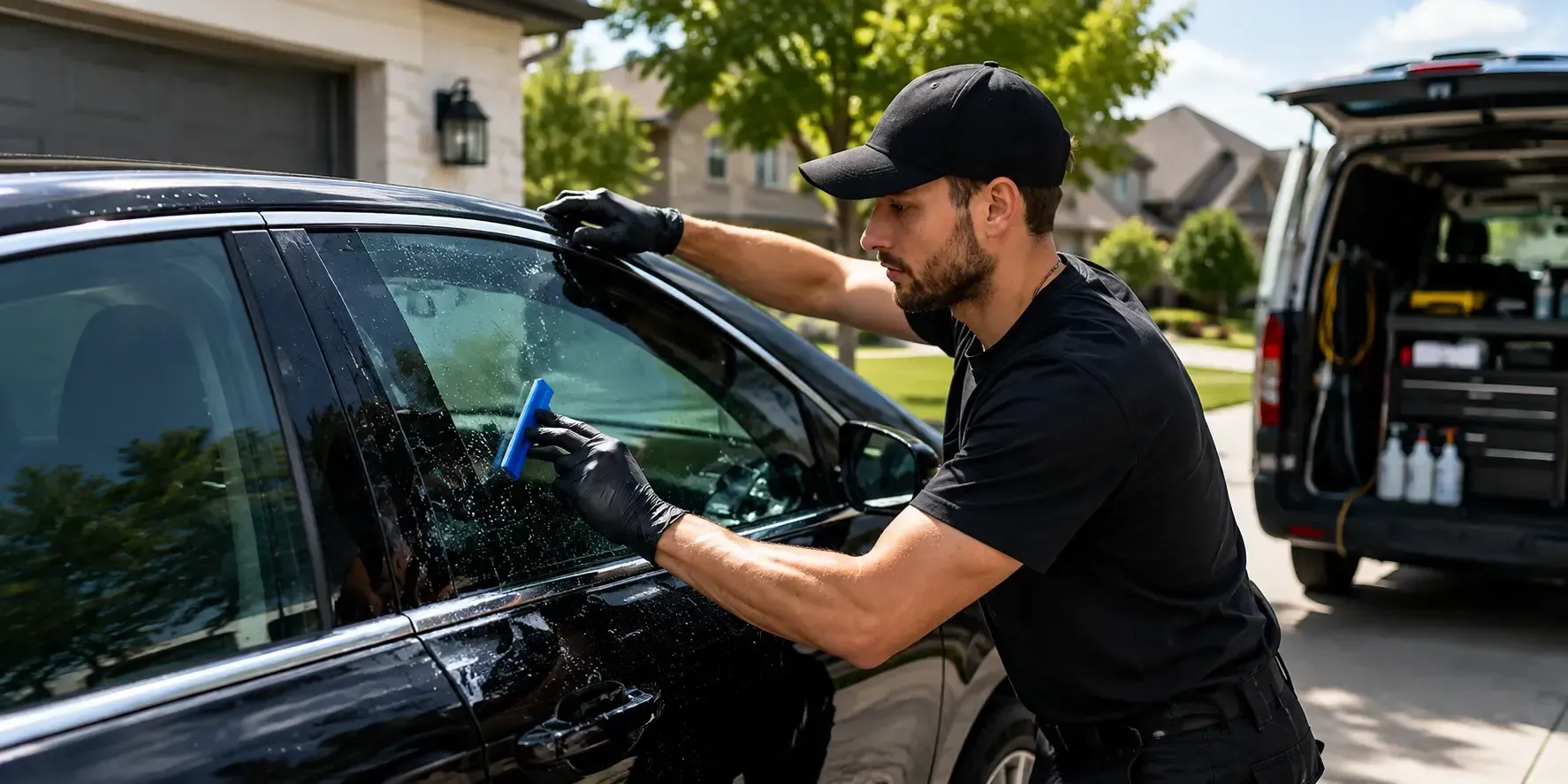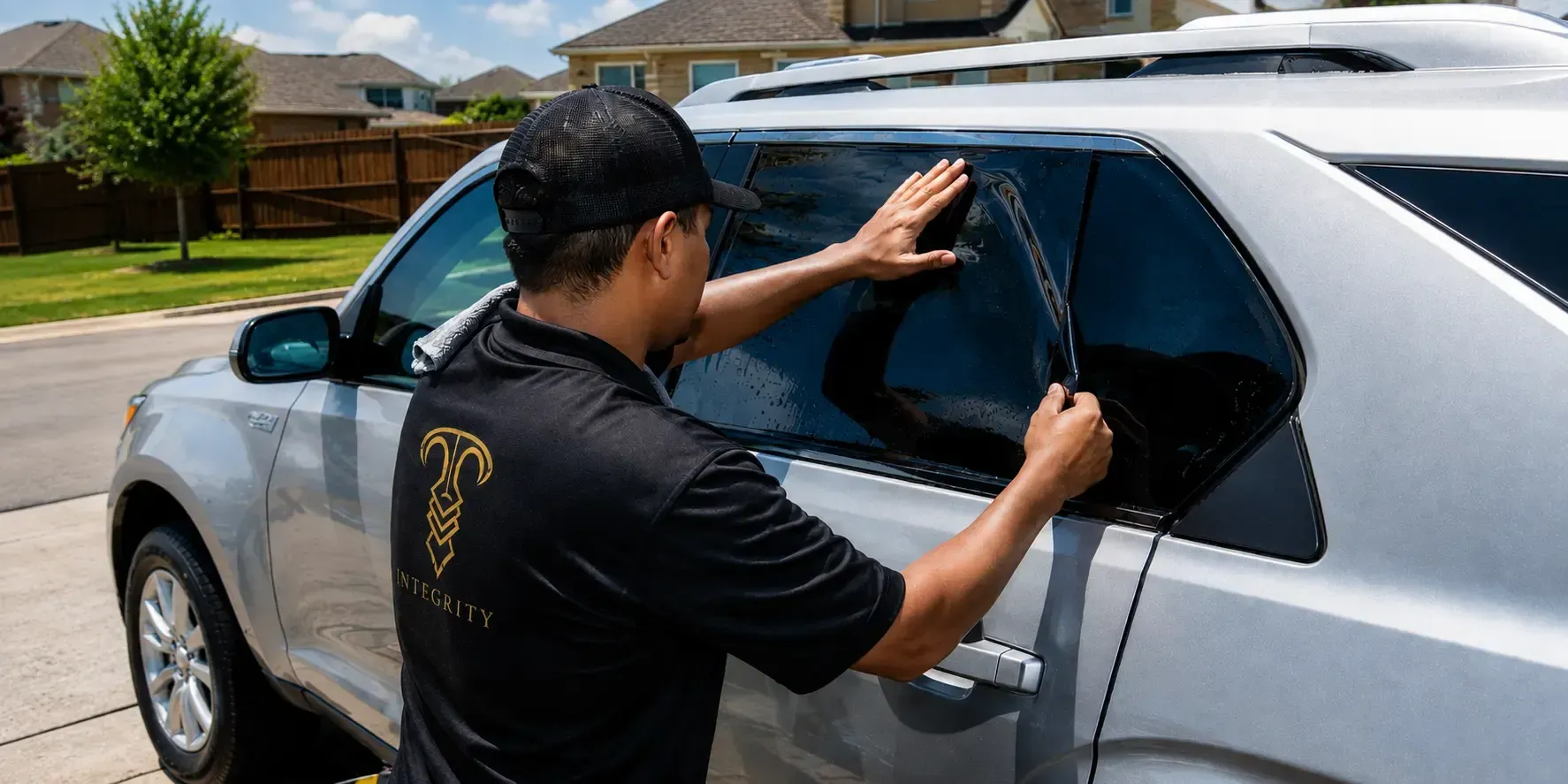
Is Your Truck's Tinted Windows Legal? A Driver's Guide to Window Tint Laws

October 10, 2024

Have you ever wondered if those sleek, tinted windows on your truck could land you in hot water with the law? You're not alone. As a truck driver myself, I've navigated the confusing world of window tint regulations, and I'm here to share what I've learned. In this guide, we'll explore the ins and outs of truck window tinting laws, helping you stay both stylish and legal on the road.

My Personal Encounter with Window Tint Laws

A Costly Lesson Learned


Picture this: It's a scorching summer day in Cudahy, CA, and I'm cruising down the highway in my newly tinted truck, feeling cool and confident. Little did I know, my dark windows were about to cast a shadow on my day. As I pulled up to a routine traffic stop, the officer's first words weren't "License and registration, please," but "Sir, your windows are too dark."


That day, I learned the hard way that window tint laws are no joke. The fine I received was a wake-up call, prompting me to dive deep into the world of legal window tinting for trucks. Now, I'm here to share my knowledge and help you avoid the same mistake.


Understanding Window Tint Basics

What is Window Tint?


Before we dive into the legalities, let's clarify what we're talking about. Window tint is a thin film applied to glass surfaces to reduce the amount of light that passes through. It's not just about looks; tinting serves several purposes, from UV protection to temperature control.


Why Do People Tint Their Truck Windows?


There are many reasons why truck owners, like myself, choose to tint their windows:


  1. Sun protection
  2. Heat reduction
  3. Privacy
  4. Glare reduction
  5. Aesthetic appeal


While these benefits are appealing, it's crucial to balance them with legal compliance.

The Legal Landscape of Truck Window Tinting

Federal vs. State Regulations


Here's where things get a bit tricky. While there are federal guidelines for window tinting, most of the nitty-gritty regulations are set at the state level. This means that what's legal in one state might get you pulled over in another.


Key Factors in Window Tint Laws


Visible Light Transmission (VLT)

VLT is the amount of light that passes through your windows. It's expressed as a percentage, and it's a key factor in tint laws. For example, a 70% VLT means 70% of light passes through the window.


Which Windows Can Be Tinted

Laws often differ for front side windows, back side windows, and rear windows. In many states, there are stricter regulations for front windows compared to rear ones.


Reflectivity Restrictions

Some states also regulate how reflective your window tint can be. Highly reflective tints can be distracting to other drivers.


Truck Window Tint Laws: State by State Breakdown

California's Window Tint Regulations


Since I'm based in Cudahy, CA, let's start with California's laws. In the Golden State:


  • Front side windows: Must allow more than 70% of light in
  • Back side windows: Any darkness can be used
  • Rear window: Any darkness can be used if the vehicle has outside mirrors on both sides
  • Windshield: Non-reflective tint is allowed on the top 4 inches


Variations Across States


It's important to note that these regulations can vary significantly from state to state. For instance, in Nevada:


  • Front side windows: Must allow more than 35% of light in
  • Back side windows: Any darkness can be used
  • Rear window: Any darkness can be used


Always check the specific laws for any state you plan to drive through.


Consequences of Non-Compliance

Fines and Penalties


The consequences of illegal window tint can range from a simple fix-it ticket to hefty fines. In California, for example, the fine for a window tinting violation can be up to $250 for a first offense.


Safety Concerns


Beyond legal issues, excessively dark window tint can pose safety risks. It can reduce visibility, especially at night or in low-light conditions, potentially leading to accidents.


How to Ensure Your Truck's Window Tint is Legal

Researching Local Laws


The first step in staying compliant is knowing the law. You can find this information on your state's Department of Motor Vehicles website or by consulting with a local law enforcement agency.


Professional Installation vs. DIY


While DIY kits are available, I highly recommend professional installation. Experienced installers are often well-versed in local laws and can ensure your tint meets legal requirements.


Benefits of Legal Window Tinting for Trucks

UV Protection


Legal window tint can block up to 99% of harmful UV rays, protecting your skin and your truck's interior from sun damage.


Temperature Control


Even with legal tint levels, you can significantly reduce the heat inside your truck. This can lead to better fuel efficiency as you'll rely less on air conditioning.


Privacy and Security


Legal tint can still provide a level of privacy and deter potential thieves from seeing valuables inside your vehicle.


Common Myths About Truck Window Tinting Debunked


Let's clear up some misconceptions:


  1. "Darker tint is always better" - Not true. Darker isn't always legal or safer.
  2. "All tints are the same" - There are various types of tint with different properties.
  3. "I can't be pulled over just for tinted windows" - In many states, you can.


Tips for Maintaining Legal Window Tint


  1. Clean your windows regularly with non-abrasive cleaners
  2. Avoid using sharp objects near the tint
  3. Give newly installed tint time to dry before rolling down windows


When to Consider Removing or Adjusting Your Window Tint


If you're moving to a new state with stricter laws, or if your tint has become bubbled or discolored, it might be time for a change. Remember, compliance isn't a one-time thing; it's an ongoing responsibility.


The Future of Window Tint Technology and Regulations

As technology advances, we're seeing new types of tint emerge, like smart tint that can change opacity at the push of a button. Laws will likely evolve to address these innovations, so stay informed about changes in regulations.


Conclusion: Staying Informed and Compliant


Navigating truck window tint laws can feel like driving through fog, but with the right information, you can see clearly. Remember, the goal is to balance style, comfort, and legality. By understanding and following your local laws, you can enjoy the benefits of window tinting without the risk of legal troubles.


If you're in the Cudahy, CA area and need help ensuring your truck's window tint is legal, don't hesitate to contact us. At Tint Integrity, we're committed to providing top-notch, legally compliant window tinting services. We're not just a business; we're part of your community, dedicated to keeping you safe and stylish on the road.


Remember, knowledge is power, especially when it comes to window tint laws. Stay informed, stay compliant, and enjoy the ride!


FAQs About Truck Window Tinting Laws

  1. Q: Can I get pulled over just for having tinted windows? A: Yes, in many states, law enforcement can pull you over if they suspect your window tint is too dark.
  2. Q: Do window tint laws apply to all types of trucks? A: Generally, yes. However, some states have different regulations for commercial vehicles.
  3. Q: What happens if I get caught with illegal window tint? A: Consequences can range from warnings to fines, and you may be required to remove the tint.
  4. Q: Can I get a medical exemption for darker window tint? A: Some states offer medical exemptions for conditions that require protection from sunlight. Check with your local DMV for specifics.
  5. Q: How can I measure my window tint's VLT? A: You can use a tint meter, which is a device specifically designed to measure VLT. Many professional installers have these tools.


Key Takeaways:

  • Window tint laws vary by state and even by window position on your truck
  • Visible Light Transmission (VLT) is a crucial factor in determining legal tint
  • Professional installation can help ensure compliance with local laws
  • Legal window tint offers benefits like UV protection and temperature control
  • Staying informed about local regulations is key to avoiding fines and penalties


State Front Side Windows Back Side Windows Rear Window
California 70% VLT or more Any darkness Any darkness
Nevada 35% VLT or more Any darkness Any darkness
Arizona 33% VLT or more Any darkness Any darkness
"The law is reason, free from passion." - Aristotle

This quote reminds us that while we may feel passionate about our truck's appearance, it's important to approach window tinting with a cool, rational understanding of the law.
By Elayna Smith May 9, 2026
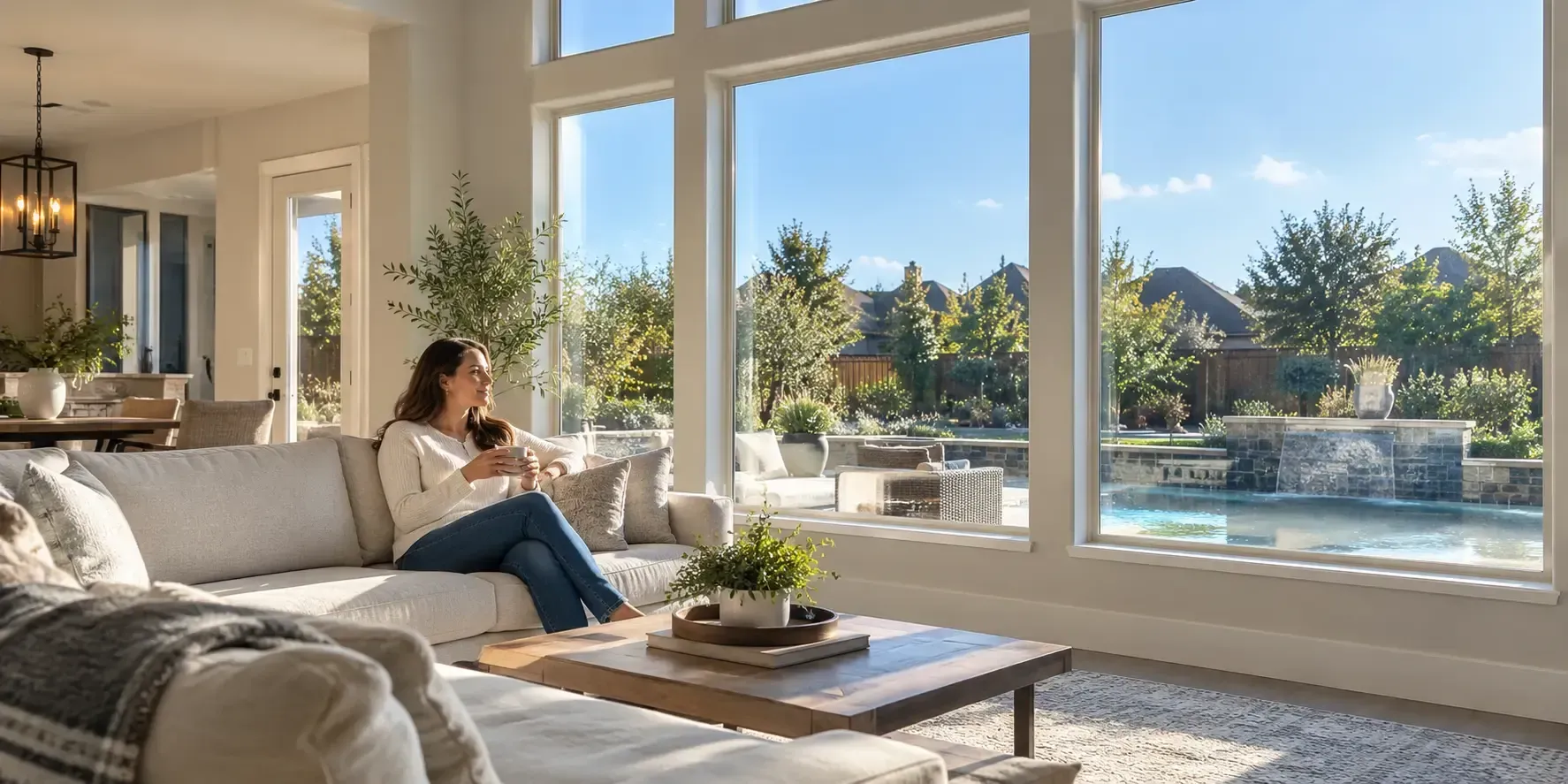
Southern California property owners constantly battle the intense afternoon sun. Heat gain, excessive glare, and UV damage are persistent challenges for both residential and commercial buildings across Inglewood. Addressing these issues requires more than heavy drapes or constantly running the air conditioning. Installing specialized films directly onto your glass surfaces provides a permanent, elegant solution. At Tint Integrity , we help property owners transform their spaces with high-performance films designed to reject heat and enhance privacy. The Core Advantages of Professional Window Tinting Services When searching for premium Window Tinting Services , understanding the technical advantages of architectural films is essential. These products are engineered with multiple layers of advanced materials, such as ceramic particles or reflective metals. They selectively block the most harmful and heat-producing parts of the solar spectrum while allowing natural, visible light to pass through.
By Elayna Smith April 30, 2026
Southern California living offers incredible weather and endless sunshine. Residents of Inglewood understand that this abundant sunlight comes with a specific set of daily challenges. Relentless ultraviolet rays penetrate vehicle cabins during the morning commute. Afternoon heat turns residential living rooms into saunas. Office buildings struggle to keep cooling costs manageable while employees battle severe screen glare. Many property and vehicle owners assume the only fixes involve expensive HVAC system overhauls or heavy blackout curtains that completely ruin the view. The most effective solution is surprisingly straightforward and highly cost-effective. Advanced window film technology addresses heat, glare, and privacy concerns simultaneously. It is a single installation that radically transforms how you experience your daily environment. 
By Elayna Smith April 24, 2026
Southern California driving presents a unique set of challenges for local commuters. Endless sunshine means constant exposure to ultraviolet rays and intense cabin heat. Drivers navigating the busy streets of Inglewood, CA, and the surrounding Los Angeles freeways need effective solutions to protect their vehicle interiors and improve daily driving comfort. The dedicated professionals at Tint Integrity specialize in addressing these exact issues through premium automotive window films. Upgrading your vehicle glass is a practical necessity for anyone spending significant time on the road. High-quality film dramatically alters your driving experience by mitigating heat and reducing visual strain.
By Elayna Smith April 16, 2026
Residents of Southern California understand the impact of constant sunshine. The persistent glare and high UV index in Inglewood make window tinting a practical necessity rather than a mere luxury. Whether you are commuting along the 405 freeway or relaxing in your living room, controlling the sun provides immediate improvements in comfort and temperature regulation. Many property owners and drivers assume that all window films are identical. They frequently ask the technicians at Tint Integrity if the exact same dark, heat-blocking material applied to their vehicle can simply be installed on their house. The short answer is no. Automotive window films and residential window films are engineered differently to interact with entirely different types of glass. Understanding these mechanical and chemical distinctions is vital for making an informed investment, protecting your property, and ensuring the longevity of the installation. 
By Elayna Smith April 10, 2026
Living in Inglewood, California, means enjoying beautiful weather nearly every day of the year. It also means dealing with relentless sunlight that penetrates windows, fades expensive interiors, and drives up indoor temperatures. Finding effective ways to manage this constant sun exposure is critical for homeowners, vehicle owners, and local business operators alike. Tint Integrity offers a practical, high quality solution to combat severe glare, intense solar heat, and harmful ultraviolet rays. We specialize in comprehensive residential applications and highly convenient mobile options designed to fit seamlessly into the busy routines of Los Angeles County residents.
By Elayna Smith April 1, 2026
Window tinting has evolved far beyond aesthetics. Today, advanced films like C2 Nano Carbon Film deliver superior heat rejection, UV protection, and privacy all while enhancing the look of your car, home, or business. For residents and professionals in Inglewood, CA, mobile tinting services bring this technology directly to your doorstep, saving time and ensuring premium results.
By Elayna Smith March 24, 2026
Inglewood residents and business owners know that Southern California sun can be intense. From UV rays damaging your car’s interior to excessive heat in your home or office, window tinting is more than just a cosmetic upgrade , it’s a practical investment. Whether you’re a busy professional, a car enthusiast, a homeowner, or a business manager, mobile and commercial window tinting offers protection, privacy, and energy efficiency tailored to your needs.
By Elayna Smith March 19, 2026
Walk through any grocery store parking lot in Cudahy and you’ll see the epidemic. It’s unavoidable. You’ll spot a late-model sedan with windows that look like they’re breaking out in a purple, bubbly rash. It’s an eyesore. More than that, it’s a total failure of a product that was supposed to provide protection. Cheap film, rushed labor, and the unforgiving California sun create a recipe for disaster that most car owners don't realize they're buying into until it's too late. Window tinting isn't just about looking cool or hiding from the world behind dark glass. In a city where the asphalt radiates heat and the UV index regularly hits "extreme," quality film is a necessity for your health and your upholstery. That’s where Tint Integrity comes in. While other shops focus on high volume and quick turnarounds, this local staple has carved out a reputation for doing things the hard way—which happens to be the right way. They’ve become the gold standard for Expert Window Tint Installation in the region, and the reasons go far deeper than just a smooth finish.
By Elayna Smith March 11, 2026
Drivers in Inglewood experience plenty of sunshine throughout the year. While sunny weather is great for outdoor activities, it can make driving uncomfortable when heat and glare build up inside a vehicle. This is one of the main reasons why many local residents are turning to mobile window tinting services for their cars, homes, and even commercial buildings. Mobile tinting allows professionals to come directly to your location, whether it is your driveway, workplace, or business parking lot. For busy drivers across Los Angeles County, this convenient service provides professional results without the need to spend hours waiting at a shop.  From improved comfort and UV protection to better privacy and enhanced vehicle aesthetics, mobile window tinting has quickly become one of the most requested vehicle upgrades among Inglewood drivers.
By Elayna Smith March 5, 2026
What Drives Window Tinting Costs in Inglewood Understanding variables helps evaluate quotes: Film Type and Quality Dyed Film (Budget): Cost: $150-250 for sedan Lifespan: 2-4 years in California sun Heat rejection: 30-40% UV protection: 90-95% Pros: Cheapest upfront Cons: Fades to purple, bubbles, poor heat rejection Carbon Film (Mid-Range): Cost: $250-450 for sedan Lifespan: 5-7 years Heat rejection: 40-50% UV protection: 99% Pros: Won't fade, decent heat rejection, affordable Cons: Not maximum heat rejection Ceramic Film (Premium): Cost: $400-700 for sedan Lifespan: 10+ years Heat rejection: 50-70% UV protection: 99%+ Pros: Superior heat rejection, no signal interference, long-lasting Cons: Higher upfront cost Nano-Ceramic (Ultimate): Cost: $600-900 for sedan Lifespan: Lifetime with warranty Heat rejection: 70-85% UV protection: 99.9% Pros: Maximum performance, clearest visibility, best warranty Cons: Premium price Inglewood Reality : California sun destroys cheap tint fast. Budget film is false economy. Vehicle Size Sedan (Honda Accord, Toyota Camry): 4 side windows + rear window Cost: Base price SUV/Crossover (Honda CR-V, Toyota RAV4): 4 side windows + larger rear + cargo area Cost: +$50-150 over sedan Large SUV (Tahoe, Suburban, Expedition): More windows, larger surface area Cost: +$100-250 over sedan Truck (F-150, Silverado, Ram): Extended cab or crew cab affects price Rear sliding window complexity Cost: +$50-200 over sedan Inglewood Service Area : Many trucks and SUVs. Size matters for pricing. Number of Windows Full Vehicle : All side windows Rear window Standard pricing Partial Tint : Front two only: 40-50% of full price Rear three only: 50-60% of full price Just rear: 30-40% of full price Windshield Strip : Top 5-6 inches only Cost: $50-100 additional Legal in California Sunroof/Moonroof : Cost: $75-150 additional Often overlooked but important Brand Name Budget Brands (Generic, unbranded): Lowest cost Minimal warranty Unknown performance Mid-Tier Brands (SunTek, Madico, Solar Gard): Good quality Decent warranties (5-10 years) Proven performance Premium Brands (3M, LLumar, Huper Optik, XPEL): Best quality Lifetime warranties Industry-leading performance Transferable warranties Inglewood Recommendation : Stick with known brands. Warranty means nothing if company disappears. Warranty Length No Warranty or 1-2 Years : Usually budget film Minimal protection Red flag 5-Year Warranty : Standard for mid-range film Reasonable protection 10-Year to Lifetime : Premium films only Covers fading, bubbling, peeling Labor and material replacement What Warranty Should Cover : Film fading or discoloration Bubbling or peeling Manufacturing defects Labor for removal and reinstallation What's Usually NOT Covered : Scratches from user Damage from accidents Improper care Mobile vs. Shop Service Shop Service : Lower overhead costs You drive to them Wait at shop or arrange transportation Standard pricing Mobile Service : Convenience premium: $50-100 They come to your home/office You save 3-4 hours of logistics Work/relax during installation Inglewood Traffic : Driving to shop, waiting, driving back = half your day. Mobile worth the premium. Installation Complexity Standard Vehicles : Flat or slightly curved glass Normal pricing Complex Installations : Heavily curved rear windows (sports cars, some sedans) Defrosters requiring careful work Unique window shapes May add $50-150 Vintage or Classic Cars : Special care required May cost 25-50% more Installer Experience and Reputation Cheap Installers : Learning on your vehicle Shortcuts taken Often using inferior film Price seems great until it fails Experienced Professionals : Proper technique Clean installation Quality materials Costs more but worth it Premium Installers : Specialize in high-end vehicles Flawless installation Top-tier materials Highest prices but best results
More Posts